Pregnancy alters the body in ways that impact every area of physical activity. The centre of gravity changes, ligaments loosen up, the pelvic floor takes more weight and workouts that were easy before pregnancy may need to be modified or replaced. Meanwhile the evidence suggesting it is safe to continue to be active during pregnancy is robust and consistent, across outcomes that matter: quicker labour, less risk of gestational diabetes, better postpartum recovery, better sleep and vastly improved mental health through what is a challenging period.
KIMS Cuddles at KIMS Hospitals, Electronic City we guide every woman through safe, appropriate fitness and care practices during pregnancy and support a structured, informed return to activity in the postnatal period. For women across Electronic City, Sarjapur Road, and South Bengaluru, guidance on pregnancy fitness and care is available as part of integrated women's healthcare.
Why Exercise During Pregnancy Matters
There are measurable clinical benefits to women who remain active during pregnancy. Lower incidences of gestational diabetes, gestational hypertension and excess weight gain are observed consistently. Active women have shorter labours, reduced rates of instrumental delivery and faster postnatal recovery Their infants are more likely to be born at healthy weights and to have better cardiovascular indicators.
The mental health benefits are as important. Pregnancy is a physically and emotionally demanding time that is often underestimated. Exercise can help to reduce anxiety and sadness, enhance sleep quality and support emotional resilience throughout pregnancy.
What Is Safe During Pregnancy
Most women with uncomplicated pregnancies can maintain or begin moderate physical activity. The practical guide to appropriate intensity is the talk test: a woman should be able to hold a comfortable conversation throughout the exercise session. When she cannot, the intensity needs to reduce.
Activities that are generally safe and beneficial include:
- Brisk walking, accessible at every stage of pregnancy and one of the most evidence-supported forms of antenatal exercise
- Swimming and water-based exercise, particularly valuable in the third trimester when the buoyancy reduces joint loading significantly
- Prenatal yoga, combining gentle stretching, breathing techniques, and relaxation that directly support labour preparation
- Prenatal Pilates, with modification of exercises involving lying flat on the back after the first trimester
- Low-impact aerobics designed for pregnancy, maintaining cardiovascular fitness without high-impact joint stress
- Pelvic floor exercises, the single most important exercise category for every pregnant woman regardless of fitness level
Activities to avoid include contact sports, activities with a significant fall risk, exercises requiring sustained flat-on-back position after the first trimester, and any activity producing pain, unusual breathlessness, or dizziness.
Pelvic Floor Health
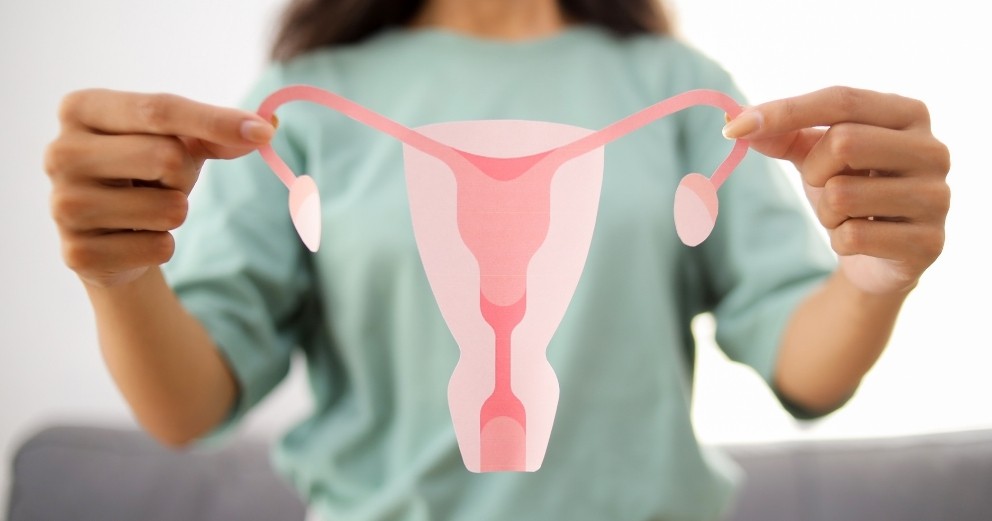
The pelvic floor deserves more attention than it receives in most fitness guidance. These muscles support the bladder, uterus, and bowel, and are put under progressive load throughout pregnancy and significant stress during vaginal delivery. Without adequate preparation and postnatal rehabilitation, pelvic floor dysfunction causing urinary leakage, prolapse, and pelvic pain is extremely common.
The fitness and care guidance we provide at KIMS Cuddles at KIMS Hospitals, Electronic City includes specific pelvic floor advice throughout pregnancy, covering how to identify and correctly activate pelvic floor muscles, what to expect during and after delivery, and how to progress rehabilitation safely in the postnatal period.
Trimester-by-Trimester Guidance
In the first trimester, nausea and fatigue make regular exercise challenging. Short, gentle sessions on better days maintain the habit of movement without pushing beyond what the body can manage. At this point, walking, yoga and swimming are the most accessible and appropriate activities.
In the second trimester when energy usually returns a more regular regimen is possible. This is the time when the building blocks of pregnant fitness are laid down. Core work is changed to prevent worsening of the abdominal separation, which we advise on throughout.
In the third trimester, activity is adapted as the body becomes heavier and balance changes. Water-based exercise becomes increasingly comfortable. Walking continues. Breathing and relaxation practice becomes a greater focus as the labour preparation element of the guidance intensifies.
Postnatal Return to Fitness
The postnatal period is where most women get the least instruction and make the most common fitness mistakes. Many women feel pressured to return to a pre-pregnancy body fast, so they go back to high-impact activity before the body is ready, leading to pelvic floor difficulties, abdominal separation that isn't healing properly, and joint injuries from exercise resumed before ligament laxity has stabilised.
The right way is progressive and patient. From the initial days, pelvic floor exercises and mild walking are appropriate. You can do low-impact activity following your six-week postnatal check. The return to higher intensity exercise is gradually over a period of weeks to months depending upon individual recovery.
Women who delivered by caesarean need specific guidance on abdominal rehabilitation and the timeline for activities that load the core, which differs from recovery after vaginal delivery.
Why Choose KIMS Cuddles at KIMS Hospitals, Electronic City
The fitness and care guidance we provide is most useful when it is coordinated with the clinical management of the pregnancy. At KIMS Cuddles at KIMS Hospitals, Electronic City, the guidance we offer on fitness and care is coordinated directly with our obstetric and postnatal care teams, meaning women with high-risk pregnancies receive adapted advice that reflects their specific clinical situation, and any physical concerns are assessed in the full clinical picture rather than in isolation.
For women in Electronic City, Sarjapur Road, Neeladri Nagar, and Hosur Road, having access to this level of integrated fitness and care guidance in South Bengaluru makes it considerably easier to prioritise physical wellbeing through this demanding phase of life.
Book a Consultation
Whether you are in the first trimester and want guidance on the right fitness and care foundation for your pregnancy, in the third trimester looking for advice on labour preparation activity, or in the postnatal period ready to begin rebuilding strength safely, our team will guide you through what works for your pregnancy, your body, and your life. Fitness and care appointments at KIMS Cuddles at KIMS Hospitals, Electronic City can be booked online or by phone.