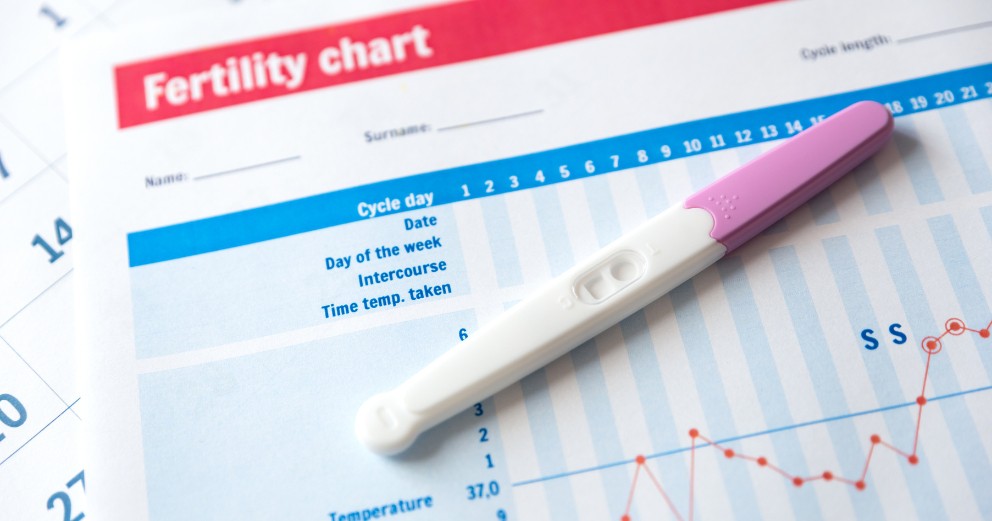
A molar pregnancy is an uncommon and often unexpected diagnosis. For most women who receive it, the news comes at a point in pregnancy when they have no reason to anticipate anything other than a normal scan. Understanding what a molar pregnancy is, what the diagnosis means, and what needs to happen next helps women and their families navigate what is frequently a confusing and emotionally difficult experience.
At KIMS Cuddles at KIMS Hospitals, Electronic City, molar pregnancy and gestational trophoblastic disease are managed by an experienced gynaecological team with access to the full diagnostic and clinical infrastructure needed for accurate diagnosis, appropriate treatment, and structured long-term follow-up.
What a Molar Pregnancy Is
A molar pregnancy, medically called a hydatidiform mole, is an abnormal pregnancy in which the fertilisation process goes wrong. Rather than a normal embryo and placenta developing, the placental tissue grows abnormally, forming a mass of cystic tissue that fills the uterine cavity. There are two types.
A complete mole occurs when a sperm fertilises an egg that contains no maternal genetic material. The resulting tissue is entirely of paternal origin, and no embryo develops. A partial mole occurs when two sperm fertilise one egg, producing a triploid embryo that cannot develop normally. An embryo may be present but is not viable.
The abnormal tissue produces high levels of human chorionic gonadotropin, which is why women with a molar pregnancy have a positive test and often experience significant nausea and other pregnancy symptoms.
Symptoms and Diagnosis
Molar pregnancy is diagnosed on a routine early pregnancy ultrasound, where the characteristic appearance of the abnormal placental tissue alerts the sonographer to the diagnosis before any symptoms develop. In some cases, women present with symptoms including:
- Vaginal bleeding in the first trimester, which may be heavier than spotting
- Severe nausea and vomiting beyond what is typical for early pregnancy
- A uterus measuring larger than expected for the gestational age
- Very high levels of hCG on blood testing
When a molar pregnancy is suspected on ultrasound, the diagnosis is confirmed through a combination of imaging, hCG levels, and ultimately histological examination of the tissue following uterine evacuation.
Treatment: Uterine Evacuation
The main treatment for a molar pregnancy is surgery to remove the contents of the uterus through suction curettage. This is performed under general anaesthesia. The tissue removed is sent to a pathology laboratory for histological examination. It confirms the diagnosis, distinguishing between a complete and partial mole. It also identifies any features that raise concern for gestational trophoblastic disease.
Hysterectomy may be discussed as an alternative to uterine evacuation for women who have completed their families and have a complete mole. It will eliminate the need for subsequent surveillance of the uterus. This is only appropriate in specific circumstances and is a decision made with full information and without pressure.
Follow-Up and Monitoring
A follow-up is essential after the evacuation of a molar pregnancy. In a small proportion of women, the abnormal trophoblastic tissue continues to grow after evacuation, a condition called persistent gestational trophoblastic disease. This condition requires treatment. Regular monitoring of hCG levels through blood or urine tests is the most reliable way to detect this early.
Our team at KIMS Cuddles at KIMS Hospitals, Electronic City, coordinates follow-up through a structured programme. hCG levels are monitored at regular intervals until they have returned to normal, after which the frequency of testing is reduced. Women are advised to avoid pregnancy during the monitoring period, as a new pregnancy would make interpretation of hCG levels impossible.
The duration of monitoring depends on the type of mole and the speed at which hCG levels normalise. Most women with an uncomplicated partial mole complete monitoring within a few months. Complete moles require longer surveillance.
Persistent Gestational Trophoblastic Disease
If hCG levels plateau or rise during monitoring, persistent gestational trophoblastic disease is diagnosed. It is a highly treatable condition with excellent outcomes when identified and treated promptly. Treatment involves chemotherapy, which produces cure rates that are among the highest of any cancer type. Our team coordinates with the oncology service at KIMS Hospitals, Electronic City, for the management of cases requiring chemotherapy.
Future Fertility
The most common concern of many women after a molar pregnancy is whether they will be able to conceive again. Molar pregnancy does not affect future fertility in most women, so subsequent pregnancies are not at increased risk of complications. Once monitoring is complete and clearance is confirmed, women are free to attempt conception.
Our team provides clear guidance on when it is safe to try for pregnancy after a molar pregnancy, how subsequent pregnancies should be monitored early, and what to expect in terms of the emotional recovery alongside the physical.
Emotional Support
A molar pregnancy is a pregnancy loss, and the emotional experience can be tough. The thought of a developing baby turning out to be an abnormal growth can be deeply distressing. The grief associated with molar pregnancy is real. Our team approaches follow-up with sensitivity and provides space for emotional concerns, along with monitoring.
Why Choose KIMS Cuddles at KIMS Hospitals, Electronic City
Molar pregnancy requires a team experienced in the diagnosis, surgical management, and structured follow-up that this condition demands. At KIMS Cuddles at KIMS Hospitals, Electronic City, our gynaecological team has the expertise to manage molar pregnancy through every phase, with access to pathology, oncology, and the full hospital infrastructure when needed.
Book a Consultation
If you have been diagnosed with a molar pregnancy or have concerns about an abnormal early pregnancy, our team at KIMS Cuddles at KIMS Hospitals, Electronic City, is here to help. Book an appointment online or by phone.