A woman plays a pivotal role in the family today. In the era of science and technology, we see that women’s life expectancy has increased. This means that a woman passes more than one-third of her life in the menopausal age group.
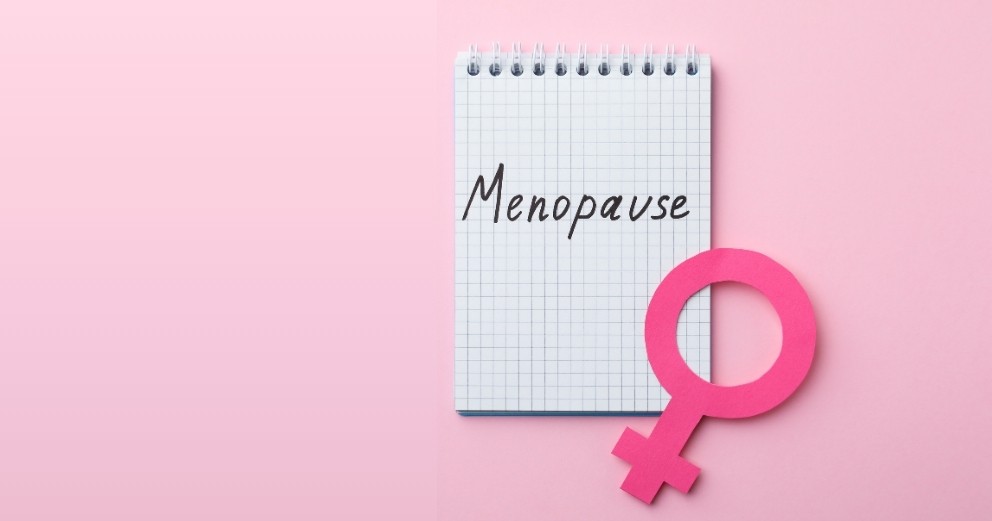
Menopause is not a disease. It is a natural biological transition, the point at which a woman's menstrual cycles end permanently following the decline of ovarian function. But natural does not mean painless or uncomplicated, and for many women, the years surrounding this transition bring changes that affect sleep, mood, cognition, relationships, and physical health in ways that deserve proper attention.
According to the Indian menopause society, the average age of menopause for Indian women is 46.2 years, which is 5 yrs earlier than the global average of 51 years.
What does menopause actually involve?
Medical professionals define menopause as having occurred when a woman has not had any menstrual bleeding for one year. The transition leading up to this point is called perimenopause, and it can begin anywhere from two to ten years before the final period. Perimenopause is when most of the symptoms that women associate with menopause actually occur, driven by the fluctuating and declining levels of oestrogen and progesterone as the ovaries wind down their function.
The symptoms women actually experience
Menopause symptoms vary considerably between individuals.
- Symptoms include hot flushes and night sweats, mood changes, pain in the joints and
- vaginal dryness.
- Increased central belly
- A hot flush is a sudden wave of heat, usually beginning in the chest and spreading to the neck and face, often accompanied by flushing and sweating.
- Other menopause symptoms include sleep disturbances, decreased sexual desire, painful intercourse due to vaginal dryness and thinning.
- Cognitive symptoms include brain fogging, not being able to focus on work and impaired memory
Menopause and bone health
This is one of the most clinically significant long-term consequences of menopause that receives insufficient attention. Oestrogen plays a critical role in maintaining bone density. When oestrogen levels fall after menopause, bone resorption accelerates, and the skeleton loses density faster than it is replenished. The result, over the years, can be osteoporosis, a condition that significantly increases the risk of fractures from minor falls or even everyday activities.
Menopause and bone health management start with adequate calcium and vitamin D intake, by diet or supplementation, and weight-bearing physical exercise, which is the most effective lifestyle approach for maintaining bone density. Women with significant risk factors for osteoporosis should discuss bone density scanning with their gynaecologist to establish a baseline and monitor for progressive loss.
Managing menopause symptoms
Menopause management depends on which symptoms are most troublesome, their severity, and the individual woman's medical history and preferences. For hot flushes and night sweats, practical lifestyle adjustments help reduce frequency and severity. Avoiding known triggers, including caffeine, alcohol, spicy food, and hot environments, dressing in layers, keeping the bedroom cool, and managing stress all make a measurable difference for many.
Hormone therapy, which replaces the oestrogen and, where needed, progesterone that the body is no longer producing in adequate amounts, is the most effective treatment available for menopause symptoms. It reduces hot flushes, improves sleep, addresses vaginal symptoms and safeguards bone density.
The decision on whether hormone therapy is suitable for an individual woman entails a detailed conversation with a gynaecologist or menopause specialist about her symptoms, medical history, cardiovascular risk and personal preferences. It is not suitable for everyone, but for many women, the benefits significantly outweigh the risks.
Health management and Lifestyle recommendations
- Increasing intake of phytoestrogens, found in Soy, chickpea, Bengal gram and sesame seeds, reduces the severity of hot flushes.
- Processed carbohydrates and sugars intensify psychological symptoms and sleep disorders. Whole grains and complex carbohydrates help maintain stable energy levels and reduce the severity of hot flushes.
- Excessive intake of saturated fat leads to increased vasomotor symptoms and cardiovascular risk. Fish rich in Omega-3 fatty acids reduce hot flush severity.
- Low protein exacerbates menopausal bone and muscle symptoms. Adequate protein intake counteracts age-related muscle loss.
- Routine health check-up, including bone density evaluations and cardiovascular screening, is a must.
Fit at 40, Strong at 60, Independent at 80
The 40s are often a period of significant hormonal changes. Many women begin to notice the early signs of perimenopause, including changes in metabolism, sleep patterns, and energy levels. This is the ideal time to prioritise regular exercise, a balanced diet, weight management, and preventive health.
By the age of 60, maintaining strength becomes just as important as maintaining fitness. Menopause-related hormonal changes can lead to loss of bone density and muscle mass, increasing the risk of osteoporosis and falls
Independence at 80 is not achieved overnight; it is built through decades of healthy choices. Women who remain physically active, mentally engaged, socially connected, and medically proactive are more likely to maintain their lives.