

29 September, 2026
What Causes Constipation in Children and How Can It Be Prevented?
Constipation is one of the most common reasons parents bring children to a paediatrician, and one of the conditions most frequently dismissed as either not serious or straightforwardly solved by eating more fruit. Neither response reflects how complex and persistent constipation in children can be, or how significantly it affects a child's daily life when it is not properly managed.What Constipation Actually Means?Constipation is more than just passing stool less often. It is a diagnosis made when a child has difficult, painful or incomplete bowel movements, and can happen even if the child passes a stool every day, if those stools are hard, huge, or involve significant straining or discomfort. For children, a practical clinical definition is fewer than three spontaneous bowel movements per week or stools that are hard and unpleasant regardless of frequency.Many parents assume their child will grow out of it. Functional constipation, the most common type, is self-perpetuating if not managed. When passing a stool hurts, the child withholds the next stool. Withheld stool hardens further, making the next passage even more painful. The cycle continues and deepens, eventually causing faecal impaction, where a large hard mass accumulates in the rectum and becomes impossible to pass without medical assistance.Common Causes of Constipation in ChildrenFor families across

28 September, 2026
What Causes Anaemia in Children and How Is It Treated?
Anaemia is one of the most common nutritional conditions affecting children in India, and one of the most consistently undertreated. It is estimated that over 67% of children under five in India are anaemic to some degree, according to National Family Health Survey data. Yet many families do not realise their child is affected until it has been present long enough to impact growth, cognition, and the ability to concentrate at school.What Anaemia Actually IsAnaemia occurs when the blood does not carry enough oxygen to meet the body's needs. In children, this usually happens because red blood cells are too few, too small, or contain insufficient haemoglobin, the protein that carries oxygen. The most common cause worldwide, including in children across Electronic City, Bengaluru and South Bengaluru, is iron deficiency. But anaemia has multiple causes, and the treatment depends entirely on identifying the correct one.Common Causes of Anaemia in ChildrenIron deficiency is responsible for the majority of cases. Iron is essential for haemoglobin production, and children who do not get enough iron through diet, who have increased requirements due to rapid growth, or who have conditions causing chronic blood loss can develop iron deficiency that progresses to anaemia. Toddlers transitioning from breast or formula milk who are not
25 September, 2026
Myths About Fertility Treatments
Fertility treatments are vulnerable to misinformation. They exist at the intersection of medicine, emotion and personal hope of being a parent. Myths about IVF and infertility treatment circulate freely in conversations and on social media. Although people mean well, inaccurate advice without any clinical basis can lead a person to accept random myths. These myths can delay decisions for couples struggling to conceive but are unsure about IVF. It can lead to unnecessary anxiety and expectations that are not true. Therefore, understanding IVF myths facts can help people go through this journey smoothly.Myth: IVF Guarantees PregnancyThis is one of the most damaging misconceptions because it sets couples up for profound disappointment when a cycle does not result in a baby. IVF is an infertility treatment, but it does not mean pregnancy is always possible. IVF success reality is different because there are various factors involved in it. For women under 35, live birth rates are only 40-50% per cycle. These rates decline with age. Many couples may need multiple cycles, and even with repeated attempts, not every couple achieves a pregnancy. Starting treatment with accurate expectations can protect mental health and also help couples make informed decisions at each stage. Myth: IVF is the only Fertility Treatment OptionMany people believe IVF can solve

23 September, 2026
IVF Success Factors Explained
One of the first questions almost every couple asks when considering IVF is a simple one: what are our chances? The honest answer is that there is no single figure that applies to everyone. IVF success is shaped by a combination of biological, clinical, and lifestyle variables that interact differently for each person. Understanding what those variables are, and which of them can be influenced, helps couples approach treatment with realistic expectations and a clearer sense of what they can do to optimise their outcomes.Age: the most significant factorThe number one factor in IVF success is the age of the mother or egg donor. The younger the egg, the better its quality and the higher the probability of normal genetics.Women under 35 usually have success rates over 30% per cycle. Women over 40 may see rates below 10%. After three cycles, the cumulative success rate can reach 50 to 60% or more, depending on the population and other factors.The reason age matters so profoundly is egg quality. As women grow older, more eggs are affected by chromosomal abnormalities that lessen the possibility of fertilisation, hinder embryo development, raise the risk of miscarriage and decrease the odds of a successful pregnancy. This is not something IVF can fully overcome. It is why women using eggs

24 September, 2026
How Sudden Weather Changes Affect Newborn Babies: Health Risks and Care Tips
Newborn babies are more sensitive to changes in their surroundings than older children and adults. Sudden drops in temperature, increased humidity, unusual rains and changes in indoor conditions can affect their comfort and may increase the risk of certain health problems.Because newborns have an immature temperature-regulation system and developing immune systems, parents need to take extra care during sudden weather changes. Premature and low-birth-weight babies may require even closer monitoring.If you are concerned about your baby's health during changing weather conditions, consulting a best children's doctor, best neonatologist or best pediatrician can help ensure timely medical guidance.Why Are Newborns More Sensitive to Weather Changes?A newborn's body is still learning to regulate temperature. Babies can lose body heat more quickly than adults, while excessive clothing or heating can also cause overheating.Weather changes may indirectly affect newborn health through:Exposure to cold temperaturesDamp clothing or beddingHigh humidityPoor indoor ventilationIncreased exposure to respiratory infectionsChanges in feeding and sleep patternsThe goal is to keep your baby warm, dry and comfortable without overheating.1. Low Temperature and HypothermiaCold weather can cause newborns to lose body heat rapidly. If their body temperature falls significantly, it can lead to hypothermia.Parents should watch for signs such as:Cold skin or bodyUnusual sleepinessReduced activityWeak cryingPoor feedingBreathing difficultiesPremature and low-birth-weight babies

31 August, 2026
When Should Couples Seek Fertility Help?
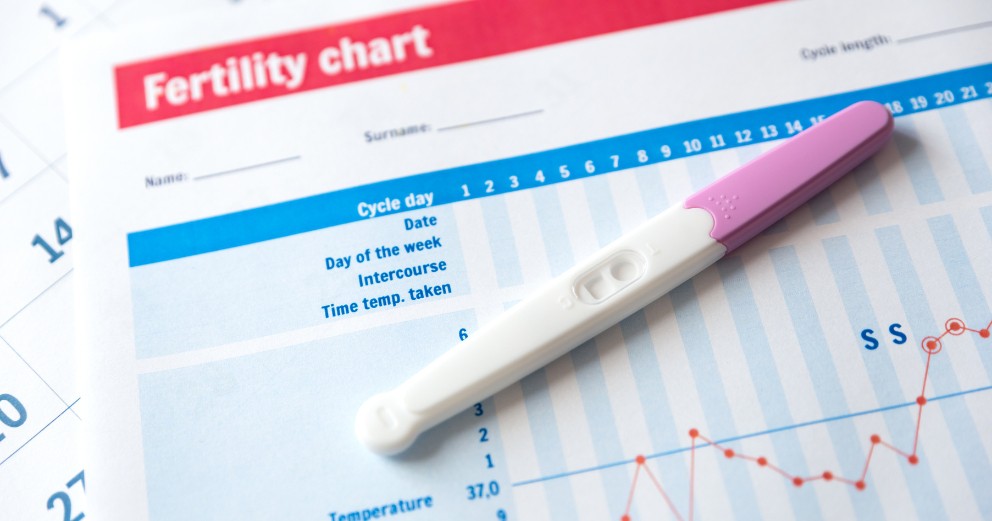
Most couples who decide they want to start a family assume conception will happen relatively quickly. When it does not, the months of trying can bring a mix of confusion, frustration, and worry, along with a question that many are unsure how to answer: at what point does this become something to investigate medically? The answer depends on age, medical history, and a few specific circumstances that should prompt earlier rather than later action.Waiting too long to seek help is one of the most consistently documented patterns in fertility care. Most couples attempt to conceive for 22.3 months before presenting for fertility evaluation, almost a year beyond the recommended threshold. This delay can impair quality of life, impact treatment outcomes, and increase overall healthcare costs.The standard timelines for seeking helpFor a healthy couple in which the woman is under 35, infertility is typically defined as no pregnancy after 12 months of regular, unprotected intercourse. If the woman is 35 or older, the recommendation is to seek help after six months of trying without conceiving, since female fertility declines with age.If a woman is over 40, or a condition known to cause infertility is present, evaluation should not be delayed at all.These timelines reflect the biology of fertility decline. A 32-year-old and a 39-year-old are not in
31 August, 2026
Common Causes of Infertility
Infertility is defined as the inability to conceive after twelve months of regular, unprotected intercourse, or six months when the woman is above 35. It affects a significant proportion of couples trying to conceive, and yet it remains a condition many people approach with assumptions that do not reflect the clinical reality. The most persistent of these assumptions is that infertility is primarily a female problem. It is not.The male factor substantially contributes to about 50% of all cases of infertility. The male is solely responsible in about 20% of cases and is a contributing factor in another 30 to 40% of all cases. As male and female causes often coexist, it is essential that both partners are investigated and managed together.Understanding the most common causes on both sides is the starting point for anyone navigating a fertility evaluation.Female infertility causesOvulation disordersMost cases of female infertility are caused by problems with ovulation. Without ovulation, there are no eggs to be fertilised. PCOS is a hormone imbalance problem which can interfere with normal ovulation and is the most common female infertility causes.The most common overall cause of female infertility is failure to ovulate, which occurs in 40% of women with infertility. Polycystic ovary syndrome produces irregular or absent ovulation through insulin resistance and elevated androgen

28 August, 2026
IVF Journey: A Step-by-Step Guide
For couples who have been trying to conceive without success, or for individuals building families through assisted reproduction, the decision to pursue IVF often comes after a long and emotionally demanding period. In vitro fertilisation is one of the most well-established forms of assisted reproductive technology available, and yet the process itself remains opaque for many people who are just beginning to explore it.Understanding what actually happens at each stage, and what to expect emotionally and physically along the way, makes the journey considerably less daunting.What IVF is and who it is forIn vitro fertilisation is a medical process where eggs are collected from the ovaries, fertilised with sperm in a laboratory, and then transferred back into the uterus with the hope of achieving a pregnancy.In vitro fertilisation treatment is recommended when there are blocked or damaged fallopian tubes, severe male factor infertility and unexplained infertility after other treatments have been unsuccessful. Other situations include diminished ovarian reserve, genetic conditions where preimplantation testing is needed, and for single individuals or couples pursuing parenthood. Step 1: Initial consultation and fertility assessmentThe first step is for the doctor to understand the patientâs fertility story. It may involve coming in two to three different times during the menstrual cycle for

29 July, 2026
Irregular Periods: When to Investigate
Period irregularity is something many women experience at some point, and most learn to live with it, at least for a while. A late period during a stressful month, a lighter cycle after illness, a missed period after a long flight. These variations are common and usually self-correcting. The problem is that irregular periods are also how the body signals conditions that genuinely need attention, and because the irregularity can feel familiar, it is easy to keep waiting for things to normalise when they never will without proper evaluation.Knowing where the line sits between normal variation and something worth investigating is genuinely useful.What counts as irregularA normal menstrual cycle runs anywhere from 24 to 38 days, measured from the first day of one period to the first day of the next. Variation of up to eight days between the shortest and longest cycle is considered normal. Lengths ranging between 8 and 20 days of variation are considered moderately irregular, and variation of 21 days or more is considered very irregular.Changes outside the cycle length are also irregular. Periods that are either much heavier or lighter than normal, periods that are much longer or shorter than normal, periods between periods, and periods that are absent altogether, in a woman not pregnant, breastfeeding, or in menopause,
29 July, 2026
Fertility Decline: What Women Should Know
Conversations about fertility tend to happen too late. Women often begin thinking seriously about their reproductive timeline only when they are ready to conceive. At this point, some of the most important biological facts have already been playing out for years without their awareness. The decline in female fertility with age is one of the most consistently misunderstood aspects of reproductive health, and the gap between what women know and what the biology actually shows is significant.This is not about creating anxiety. It is about giving women accurate information early enough to make genuinely informed decisions.The Fundamental BiologyA woman is born with all the eggs she is going to have in her lifetime. Her eggs age with her, decreasing in quality and quantity. Age is the single most important factor affecting a woman's fertility.Females are born with a finite number of oocytes. The number of oocytes peaks in the womb at around 20 weeks of gestation and subsequently declines steadily until approximately age 32, after which the number decreases at a greater rate until age 37, beyond which oocyte numbers drop even more rapidly.This is not something that can be slowed by fitness, diet, or general good health. Even though women today are healthier and taking better care of themselves than ever before, improved
Loading booking..