Urinary leakage when laughing or sneezing. A constant urgency to reach the toilet before it is too late. A heaviness or pressure in the pelvic area that worsens through the day. These are not rare or unusual experiences. They affect a significant proportion of women across all age groups, and yet most women manage them quietly for years, sometimes decades, before seeking help.
The reasons for this delay are understandable. These symptoms feel embarrassing to discuss. Many women assume they are an inevitable consequence of childbirth or ageing. Some have raised them with a doctor and been told nothing significant can be done. None of these assumptions reflect what modern urogynecology can offer.
At KIMS Cuddles at KIMS Hospitals, Electronic City, our urogynecology service provides specialist assessment and treatment for women with pelvic floor disorders across South Bengaluru, including Electronic City, Hosur Road, Anekal, Attibele, Chandapura, and surrounding areas. Our team treats these conditions with the clinical seriousness and personal discretion they deserve.
What Urogynecology Is
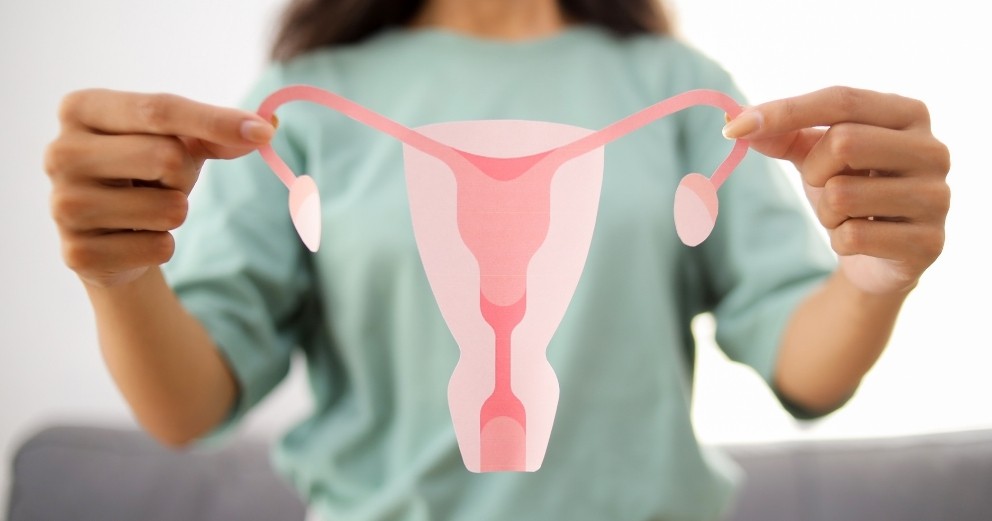
Urogynecology is the subspecialty that focuses on conditions where the pelvic floor, the group of muscles, ligaments, and connective tissues that support the bladder, uterus, vagina, and rectum, is not functioning as it should. When this support system weakens or is damaged, the consequences affect continence, pelvic organ position, sexual comfort, and overall quality of life.
It sits at the intersection of gynaecology and urology, and managing these conditions well requires expertise in both. Our team at KIMS Cuddles at KIMS Hospitals, Electronic City brings this combined expertise to every consultation.
Conditions We Treat
The range of conditions managed by our urogynecology service at Electronic City is broad:
- Stress urinary incontinence — involuntary leakage of urine with physical exertion, coughing, sneezing, or laughing, caused by weakened urethral support
- Urge incontinence and overactive bladder — a sudden, overwhelming urge to urinate that is very difficult to defer, with or without leakage, significantly disrupting daily activities and sleep
- Mixed urinary incontinence — a mix of urge incontinence combined with stress requiring assessment to identify the dominant component and guide treatment
- Pelvic organ prolapse — This is where the bladder, uterus, or rectum descends into or beyond the vaginal wall, causing a sensation of bulge, pressure, or incomplete bladder or bowel emptying
- Recurrent urinary tract infections — where structural factors in the bladder or urethra are contributing to repeated infections that do not resolve with standard antibiotic treatment alone
- Voiding difficulties — incomplete bladder emptying, hesitancy, or difficulty initiating urination
- Faecal incontinence — difficulty controlling bowel movements, often linked to pelvic floor damage from childbirth
- Chronic pelvic pain — including pain associated with pelvic floor muscle overactivity or tension, which is a less widely recognised but clinically significant presentation
How These Conditions Are Assessed
Every consultation at our urogynecology clinic at KIMS Cuddles at KIMS Hospitals, Electronic City begins with a detailed clinical history. The nature of the symptoms, how long they have been present, what makes them better or worse, their impact on daily life, and any relevant obstetric and surgical history all contribute to the assessment.
Physical examination assesses the degree of any prolapse, the strength and coordination of your pelvic floor, and any anatomical factors contributing to the problem. Where further investigation is needed, the following are available:
- Urodynamic studies, which measure how the bladder and urethra function during filling and voiding, providing information that guides treatment decisions particularly in women with mixed or complex incontinence
- Pelvic floor ultrasound, which assesses the anatomy and function of the pelvic floor structures in real time
- Cystoscopy, providing direct visualisation of the bladder and urethra when indicated
- Urine analysis and culture to exclude active infection contributing to symptoms
This assessment ensures that treatment is directed at the actual underlying problem rather than the surface symptoms alone.
Treatment Options at Electronic City
Conservative and Non-Surgical Management
For many women, conservative management produces significant and lasting improvement without any surgical procedure. Options include:
- Pelvic floor physiotherapy, which targets the specific dysfunction identified on assessment. For women with weakness and leakage, this means strengthening exercises. For women with pelvic pain driven by overactive muscles, this means relaxation and down-training. Both require guidance from a physiotherapist experienced in pelvic floor rehabilitation
- Bladder training programmes, which progressively extend the intervals between voiding and build bladder capacity, significantly reducing urgency and frequency over several weeks
- Lifestyle modification, covering fluid intake, dietary factors, bowel habit management, and weight management where relevant, all of which have a measurable impact on pelvic floor symptoms
- Vaginal pessaries for prolapse, which provide internal structural support to the prolapsed organs without surgery and are a well-established long-term option for women who are not surgical candidates or who in general prefer to avoid surgery
Surgical Treatment
When conservative management has been adequately tried and has not produced sufficient relief, or when the degree of prolapse or incontinence requires surgical correction, our team offers the entire range of procedures:
- Mid-urethral sling procedures for stress urinary incontinence, a minimally invasive operation with a well-established long-term evidence base
- Laparoscopic and robotic-assisted sacrocolpopexy for vault prolapse following hysterectomy
- Anterior colporrhaphy for bladder prolapse and posterior colporrhaphy for rectal prolapse
- Vaginal hysterectomy with addition of pelvic floor repair for uterine prolapse
- Botulinum toxin injections into the bladder wall for overactive bladder that has not responded to bladder training and other conservative measures
All surgical procedures are performed using minimally invasive approaches where possible, reducing recovery time, post-operative discomfort, and the risk of wound complications.
The Consultation Environment
Pelvic floor conditions involve some of the most personal and sensitive aspects of a woman's physical function. The consultation environment matters as much as the clinical expertise. At KIMS Cuddles at KIMS Hospitals, Electronic City, consultations are conducted in private, the team approaches every concern without judgement, and no symptom is treated as too minor or too embarrassing to take seriously.
Women who have spent years managing these conditions without support consistently find that raising them with a specialist is less daunting than they expected, and that the options available are considerably better than they had assumed.
Why Choose KIMS Cuddles at KIMS Hospitals, Electronic City
Urogynecology management involves multiple appointments over a structured treatment course, whether that course involves physiotherapy, pessary fitting, bladder training, or surgery. Having a specialist accessible in Electronic City rather than across the city makes that consistency of attendance considerably more achievable.
Being part of KIMS Hospitals, Electronic City means our urogynecology team has immediate access to the full diagnostic infrastructure, theatre facilities, and anaesthesia support that surgical treatment requires, all within the same hospital.
Book a Consultation
Urogynecology appointments at KIMS Cuddles at KIMS Hospitals, Electronic City can be booked online or by phone. The first consultation is a conversation. Our team will listen carefully, explain what the assessment involves, and help you understand your options before any decision is made.