Pregnancy changes how the body feels, moves, and responds to physical activity. Some of those changes make exercise feel harder. Others, particularly the shift in centre of gravity and the loosening of ligaments, make certain movements genuinely riskier than they were before. At the same time, the evidence for the benefits of staying active through pregnancy is strong, consistent, and covers outcomes that matter: shorter labour, better postpartum recovery, reduced risk of gestational diabetes and excessive weight gain, improved sleep, and better mental health throughout the perinatal period.
At KIMS Cuddles at KIMS Hospitals, Mahadevapura, our fitness and care programme is built around guiding women through safe, appropriate physical activity during pregnancy and supporting a structured return to fitness in the postnatal period. It is not about getting back to a pre-pregnancy body as quickly as possible. It is about building a foundation of physical health that serves both mother and baby well.
What Is Safe During Pregnancy
Most women with uncomplicated pregnancies can safely continue or begin moderate physical activity. The guiding principle is that activity should leave a woman feeling pleasantly tired rather than exhausted, and she should be able to hold a conversation comfortably throughout. This is sometimes called the talk test, and it remains one of the simplest and most reliable guides to appropriate exercise intensity during pregnancy.
Activities that are generally safe and beneficial during pregnancy include:
- Brisk walking, which requires no equipment, can be done at any stage of pregnancy, and is among the most evidence-supported forms of antenatal exercise
- Swimming and water aerobics, which are particularly comfortable in the third trimester when joint loading from weight-bearing exercise increases significantly
- Prenatal yoga, which combines gentle stretching, breathing, and relaxation techniques, is beneficial for labour preparation and stress management
- Prenatal Pilates, which focuses on core and pelvic floor strengthening in a pregnancy-appropriate format
- Low-impact aerobics adapted for pregnancy, which maintain cardiovascular fitness without the joint stress of high-impact exercise
- Pelvic floor exercises, which can and should be practised throughout pregnancy and are the single most important exercise category for preventing and managing incontinence
Pelvic Floor Health: The Most Important and Most Neglected Area
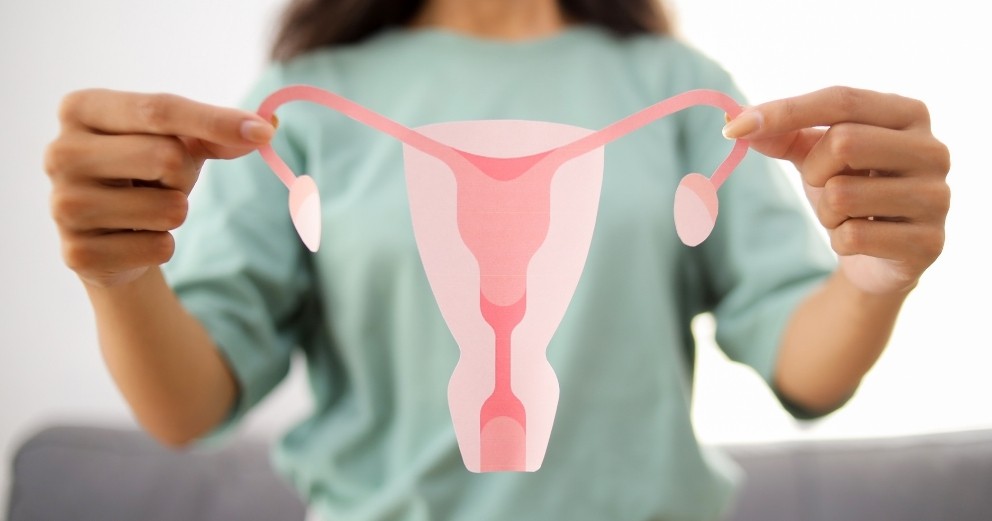
The pelvic floor muscles support the bladder, uterus, and bowel. During pregnancy, they bear increasing load as the baby grows, and during vaginal delivery they stretch significantly. Without adequate preparation and postnatal rehabilitation, pelvic floor weakness is one of the most common and most impactful physical consequences of pregnancy and delivery, contributing to urinary leakage, pelvic organ prolapse, and pelvic discomfort.
Our fitness and care programme at KIMS Cuddles at KIMS Hospitals, Mahadevapura places significant emphasis on pelvic floor health throughout pregnancy and in the postnatal period. Women learn how to identify and activate their pelvic floor muscles correctly during pregnancy, and how to progress pelvic floor rehabilitation safely after delivery. For women who experience urinary leakage or pelvic heaviness after delivery, a structured pelvic floor rehabilitation programme is available alongside our urogynecology team where specialist input is needed.
Antenatal Fitness: Trimester by Trimester
- First Trimester
Nausea and fatigue in the first trimester make regular exercise challenging for many women. Gentle walking, yoga, and swimming are the most accessible forms of activity at this stage. The focus is on maintaining the habit of movement rather than achieving any particular fitness target. Short sessions completed on the better days are more useful than waiting for a perfect day that may not come.
- Second Trimester
The second trimester is typically when energy returns and the opportunity to build a consistent exercise routine is greatest. Prenatal yoga and Pilates, swimming, brisk walking, and low-impact aerobics all work well at this stage. Core work is adapted to avoid exercises that worsen abdominal separation, a common condition in pregnancy where the abdominal muscles separate along the midline. Our team assesses for this and guides appropriate modification.
- Third Trimester
The third trimester calls for gradual adaptation as the body becomes heavier and balance shifts. Water-based exercise becomes more comfortable for many women because the buoyancy reduces the load on joints. Walking remains appropriate and beneficial. Breathing and relaxation techniques become increasingly important as labour preparation. The focus shifts toward labour preparation alongside maintaining general fitness.
Postnatal Fitness: Getting the Return to Exercise Right
The postnatal period is where many women make the most common mistakes with exercise. The pressure to return to a pre-pregnancy body quickly, leads some women to return to high-impact activity before the body is ready. The consequences include prolonged pelvic floor dysfunction, abdominal separation that does not heal correctly, and joint injuries from activity resumed before ligament laxity has resolved.
The correct approach is gradual and progressive. The basis is gentle walking, pelvic floor exercises and breath work in the first 6 weeks after delivery. A more planned return to activity can be commenced following the six week post-natal check, moving from low impact to greater impact activities over several weeks to months depending on the individual’s recovery.
Women who have had a cesarean section have extra issues with abdominal scar healing and core rehabilitation that influence when and how they return to various sorts of activity. Our team provides specific guidance tailored to the mode of delivery and the individual's recovery.
Nutrition and Fitness Together
Physical activity and nutrition work together through pregnancy and the postnatal period. Our fitness and care programme at KIMS Cuddles at KIMS Hospitals, Mahadevapura is coordinated with the pregnancy nutrition team to ensure that women receive the right guidance. Fuelling activity appropriately during pregnancy, managing weight gain within a healthy range, and supporting postnatal recovery through adequate nutritional intake are all part of a coherent approach to maternal health.
Why Choose KIMS Cuddles at KIMS Hospitals, Mahadevapura
Pregnancy fitness guidance is most useful when it comes from people who understand both the clinical context of the pregnancy and the physical demands of exercise. Our team at KIMS Cuddles at KIMS Hospitals, Mahadevapura brings both, and works as part of the wider obstetric and postnatal care team rather than in isolation. Women with high-risk pregnancies receive adapted guidance that reflects their clinical situation, and those with specific physical concerns, including pelvic floor dysfunction, abdominal separation, or postural problems, are supported with targeted intervention alongside general fitness guidance.
For women in East Bengaluru, Whitefield, and Marathahalli, having access to pregnancy and postnatal fitness support close to home as part of a comprehensive maternity care programme makes it considerably easier to prioritise physical wellbeing through this demanding phase of life.
Book an Appointment
Whether you are planning a pregnancy, currently pregnant, or in the postnatal period and ready to begin rebuilding your fitness, our team at KIMS Cuddles at KIMS Hospitals, Mahadevapura is here to guide you. Book an appointment online or by phone. Staying active through pregnancy and recovering well afterwards makes a real difference to how you feel, and it is a goal worth supporting properly.