Many women hear about PCOS, or polycystic ovary syndrome, during an ultrasound or blood test appointment. However, they may not have a clear explanation of what it means for their health, their fertility, or their daily life. What the diagnosis represents is now better understood than it was even a decade ago, and the terminology has evolved to reflect that understanding. The condition is increasingly referred to as Polycystic Metabolic Ovarian Syndrome, or PMOS, a name that more accurately captures its true nature: a complex metabolic and endocrine disorder that happens to affect the ovaries, rather than a purely ovarian condition with hormonal side effects.
At the PMOS Specialty Centre at KIMS Cuddles at KIMS Hospitals, Mahadevapura, women receive care that reflects this broader understanding. The centre is designed to address PMOS comprehensively, from its metabolic drivers to its reproductive implications, with a team that takes the time to explain what is happening and why the management plan is built the way it is.
Understanding PMOS
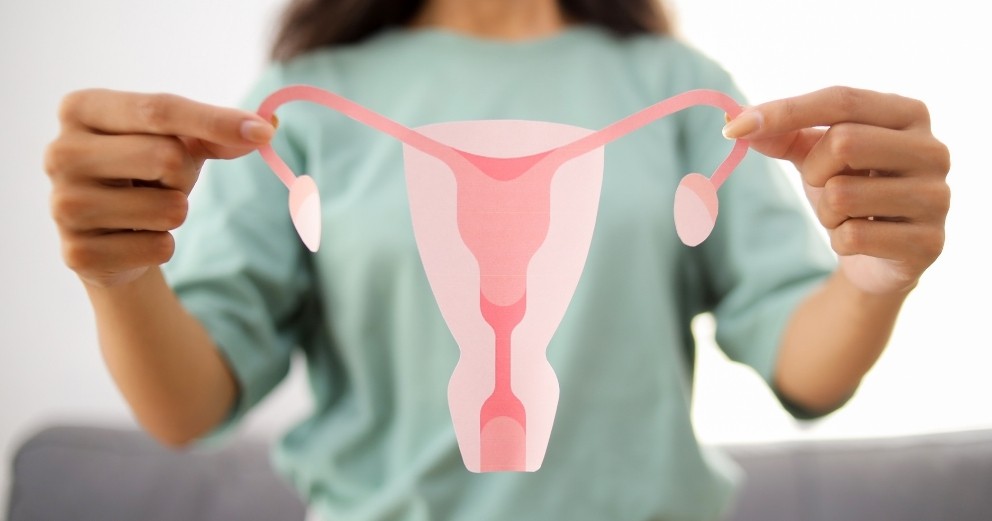
PMOS is the most common hormonal condition, which affects women of reproductive age, but it is misdiagnosed, mismanaged, and misunderstood. PMOS is a metabolic disorder caused by insulin resistance. In this condition, the body's cells do not respond normally to insulin. This triggers a cascade of effects, including elevated androgen levels, disrupted ovulation, and the range of symptoms that bring most women to a gynaecologist.
The ovaries in PMOS develop multiple small follicles that do not mature and release eggs normally, resulting in the characteristic polycystic appearance on ultrasound. But the ovaries are not where the problem starts. They are where its effects become visible.
PMOS also involves chronic low-grade inflammation and disruption of the gut microbiome. As a result, insulin resistance increases and sustains the condition independently of hormonal treatment. Understanding this is what drives our approach at Mahadevapura: addressing the root causes, not just managing the surface symptoms.
Symptoms We Help Manage
PMOS presents differently in different women, which is part of why it is so frequently missed or delayed in diagnosis. The symptoms our specialist centre in Mahadevapura addresses include:
- Irregular, infrequent, or absent menstrual periods
- Heavy or prolonged periods when they do occur
- Excess facial or body hair, known medically as hirsutism, is driven by elevated androgens
- Acne that is persistent, particularly along the jawline and chin, and unresponsive to standard skincare
- Thinning of scalp hair or male-pattern hair loss
- Difficult to gain or lose weight despite making changes in the diet
- Skin darkening in skin folds such as the neck and underarms is a sign of insulin resistance called acanthosis nigricans
- Difficulty conceiving or recurrent early pregnancy loss
- Low mood, anxiety, and fatigue that are not fully explained by other causes
- Sleep disturbances, including sleep apnoea, in some women with PMOS
Not every woman with PMOS will have all of these symptoms. Some have very few. The diagnosis is clinical and must be made carefully, taking the full picture into account rather than relying on a single scan or blood test.
Why PMOS Matters Beyond Periods
PMOS is not simply a gynaecological inconvenience. It carries significant long-term health implications if you leave this condition unmanaged, and it affects other functions in the body.
- Women with PMOS have the risk of developing type 2 diabetes.
- There is a high cardiovascular risk as well, such as hypertension and adverse cholesterol levels.
- There is a high chance of developing endometrial cancer and endometrial hyperplasia because the uterine lining does not shed regularly.
- Women with PMOS may suffer from depression and anxiety.
- Pregnant women with PMOS may develop gestational diabetes and hypertensive disorders if it is not managed well during pregnancy.
So, our doctors care for the long-term health of women when they walk in, rather than improving the symptoms.
How the PMOS Specialty Centre Works
The first visit to the PMOS clinic East Bengaluru begins with a clinical assessment, where doctors check for a detailed history of menstrual cycles, symptoms, weight history, and family history of diabetes or cardiovascular disease. They also check the treatments that you may have received before. Blood tests assess hormonal profiles, insulin resistance markers, fasting glucose and lipid levels, thyroid function, and other relevant parameters. An ultrasound assesses ovarian morphology and endometrial thickness.
From this assessment, a personalised management plan is built. No two women with PMOS are in identical situations, and the plan for a teenager with irregular periods and acne looks very different from the plan for a woman in her thirties trying to conceive, or a woman in her forties managing weight and metabolic risk.
Management Approaches at Mahadevapura
Lifestyle Intervention
Lifestyle modification is the foundation of management for most women with PMOS. It gives lasting results. Reducing refined carbohydrates and sugar intake directly reduces the insulin spikes that cause overproduction of androgens. Regular physical activity improves insulin sensitivity independently of weight loss, which is why its benefit is seen even in women whose weight does not change significantly. Our team provides specific, practical guidance on both rather than generic advice.
Menstrual Cycle Regulation
Hormonal management regulates the cycle and protects the uterine lining from the risks associated with prolonged absence of periods for women with irregular periods or absent cycles. The specific approach depends on whether the woman is seeking contraception, cycle regulation alone, or is planning a pregnancy.
Fertility Support
PMOS is one of the most common causes of ovulatory infertility, but it is also one of the most treatable. Women with PMOS who wish to conceive are assessed and managed with ovulation induction, lifestyle optimisation, and, where needed, referral to the fertility team at KIMS Cuddles at KIMS Hospitals, Mahadevapura.
Skin and Hair Management
Hirsutism and acne require special management of androgens, so it is important to address them at the source. Our team coordinates with dermatology, where needed, to provide a comprehensive approach to these symptoms.
Metabolic Monitoring
Women with PMOS require regular monitoring of blood glucose, lipid levels, blood pressure, and weight, as well as a gynaecological review. Our centre builds this structured monitoring into the long-term care plan rather than treating it as an afterthought.
Why Choose KIMS Cuddles at KIMS Hospitals, Mahadevapura
Managing PMOS requires a team that understands its complexity related to metabolism as well, and not just its gynaecological aspect. Our specialists at Mahadevapura bring this depth of understanding to every consultation, alongside the full clinical infrastructure of KIMS Hospital for investigations, imaging, and multidisciplinary support when needed.
For women in Whitefield and Marathahalli looking for a PMOS specialist Mahadevapura Bengaluru, having expert care close to home means it is considerably easier to attend the regular follow-up appointments that good PMOS management genuinely requires.
Book a Consultation
If you have been diagnosed with PMOS or PCOD, or if you are experiencing symptoms that suggest this condition has not yet been properly evaluated, our team at KIMS Cuddles at KIMS Hospitals, Mahadevapura is here to help. Book an appointment online or by phone to receive the right PCOD treatment Mahadevapura. The right diagnosis and the right management plan make a significant difference to both quality of life and long-term health.