21 July, 2021

Why inculcating hygiene is important early in childhood.

The Disease Control and Prevention Centers (CDC) says, “Many illnesses may be avoided or managed by appropriate personal hygiene, including washing of hands and other areas of the body.”

Personal hygiene is not only about keeping yourself clean but also about preventing the spread of contagious diseases. Most of the viral infections that we witness spread through the droplet transmission or faecal-oral route. Once settled on an object or surface, these viruses will get transmitted to others through their hands. Thus, personal hygiene, especially washing hands, will eradicate such transmissions. 

Personal hygiene and hand hygiene are very important. It’s vital to teach kids about cleanliness and establish an early personal hygiene regimen since they are more sensitive to illnesses.

What is personal hygiene for children?

Personal hygiene includes several daily activities like swimming, teeth brushing and hands washing. Regardless of whether your children attend school or visit places like parks or somewhere else, they touch or be in contact with dirt and grime that carry germs causing sickness. Indeed, germs are in the environment everywhere. Children tend to put their toys and hands in their mouths more frequently when compared to adults. These can be passed into their hands and enter the body of the kid, causing different illnesses and infections. This can be prevented via personal hygiene practices.

Personal Hygiene Importance For Children

Toddlers and kids do not have complete immunity developed. They are prone to more diseases when compared to adults. Personal hygiene will significantly help them in avoiding/preventing diseases. 

Good hygienic practices allow your children to:

  • Stay healthy, free of bacterial infections and disorders. Dangerous and critical viral / bacterial infections can be successfully prevented.
  • Keep and enjoy a healthy body image – individuals with bad hygiene have a negative body image that might interfere with their social lives.
  • Allows them to feel good about themselves.
  • Develop a healthy personality – a clean and well-dressed image enhances your self-confidence and your chances of success in professional and social life.
  • Recurrent infections are eliminated, and this leads to a healthier weight growth of the child. 

Children are unable to carry out their hygiene with knowledge or abilities. Parents must thus monitor their behaviour. And inculcate the sense of hygiene and its importance right from early childhood. The most remarkable approach to educate children on cleanliness is by beginning at home early, with basic routines. You can contact your paediatrician for more suggestions and tips about your child’s growth and hygienic habits development. 

*Information shared here is for general purpose. Please take doctors’ advice before taking any decision.
SIMILAR ARTICLES

blog featured image

29 September, 2026

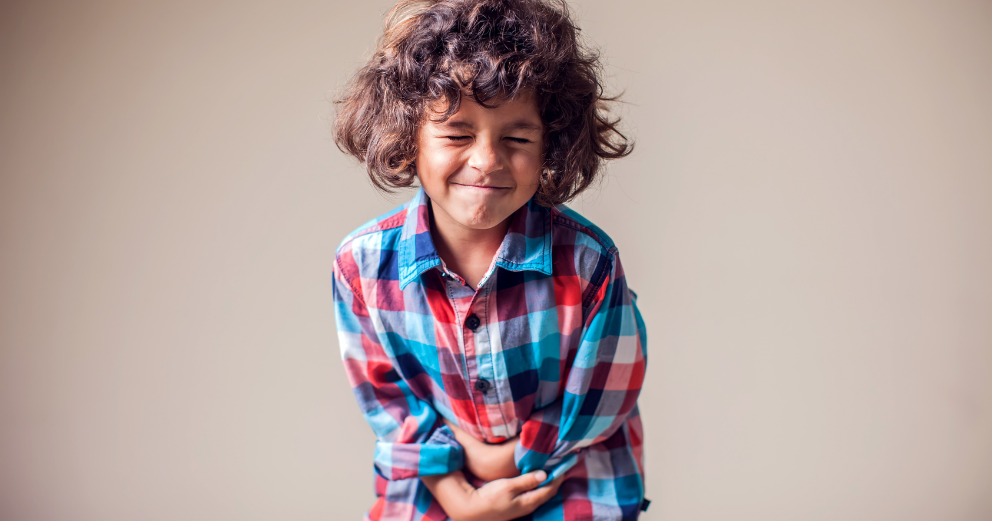
What Causes Constipation in Children and How Can It Be Prevented?

Constipation is one of the most common reasons parents bring children to a paediatrician, and one of the conditions most frequently dismissed as either not serious or straightforwardly solved by eating more fruit. Neither response reflects how complex and persistent constipation in children can be, or how significantly it affects a child's daily life when it is not properly managed.What Constipation Actually Means?Constipation is more than just passing stool less often. It is a diagnosis made when a child has difficult, painful or incomplete bowel movements, and can happen even if the child passes a stool every day, if those stools are hard, huge, or involve significant straining or discomfort. For children, a practical clinical definition is fewer than three spontaneous bowel movements per week or stools that are hard and unpleasant regardless of frequency.Many parents assume their child will grow out of it. Functional constipation, the most common type, is self-perpetuating if not managed. When passing a stool hurts, the child withholds the next stool. Withheld stool hardens further, making the next passage even more painful. The cycle continues and deepens, eventually causing faecal impaction, where a large hard mass accumulates in the rectum and becomes impossible to pass without medical assistance.Common Causes of Constipation in ChildrenFor families across
blog featured image

28 September, 2026

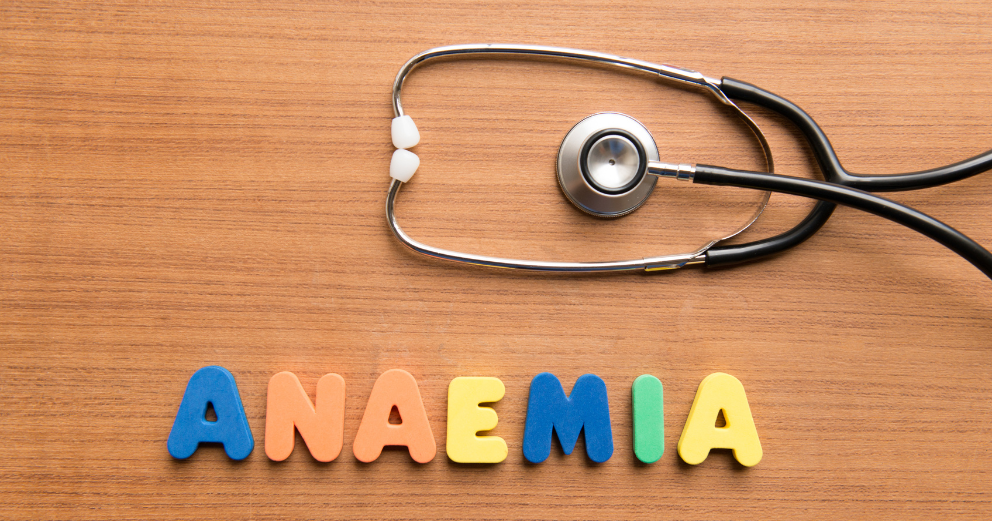
What Causes Anaemia in Children and How Is It Treated?

Anaemia is one of the most common nutritional conditions affecting children in India, and one of the most consistently undertreated. It is estimated that over 67% of children under five in India are anaemic to some degree, according to National Family Health Survey data. Yet many families do not realise their child is affected until it has been present long enough to impact growth, cognition, and the ability to concentrate at school.What Anaemia Actually IsAnaemia occurs when the blood does not carry enough oxygen to meet the body's needs. In children, this usually happens because red blood cells are too few, too small, or contain insufficient haemoglobin, the protein that carries oxygen. The most common cause worldwide, including in children across Electronic City, Bengaluru and South Bengaluru, is iron deficiency. But anaemia has multiple causes, and the treatment depends entirely on identifying the correct one.Common Causes of Anaemia in ChildrenIron deficiency is responsible for the majority of cases. Iron is essential for haemoglobin production, and children who do not get enough iron through diet, who have increased requirements due to rapid growth, or who have conditions causing chronic blood loss can develop iron deficiency that progresses to anaemia. Toddlers transitioning from breast or formula milk who are not
blog featured image

24 September, 2026

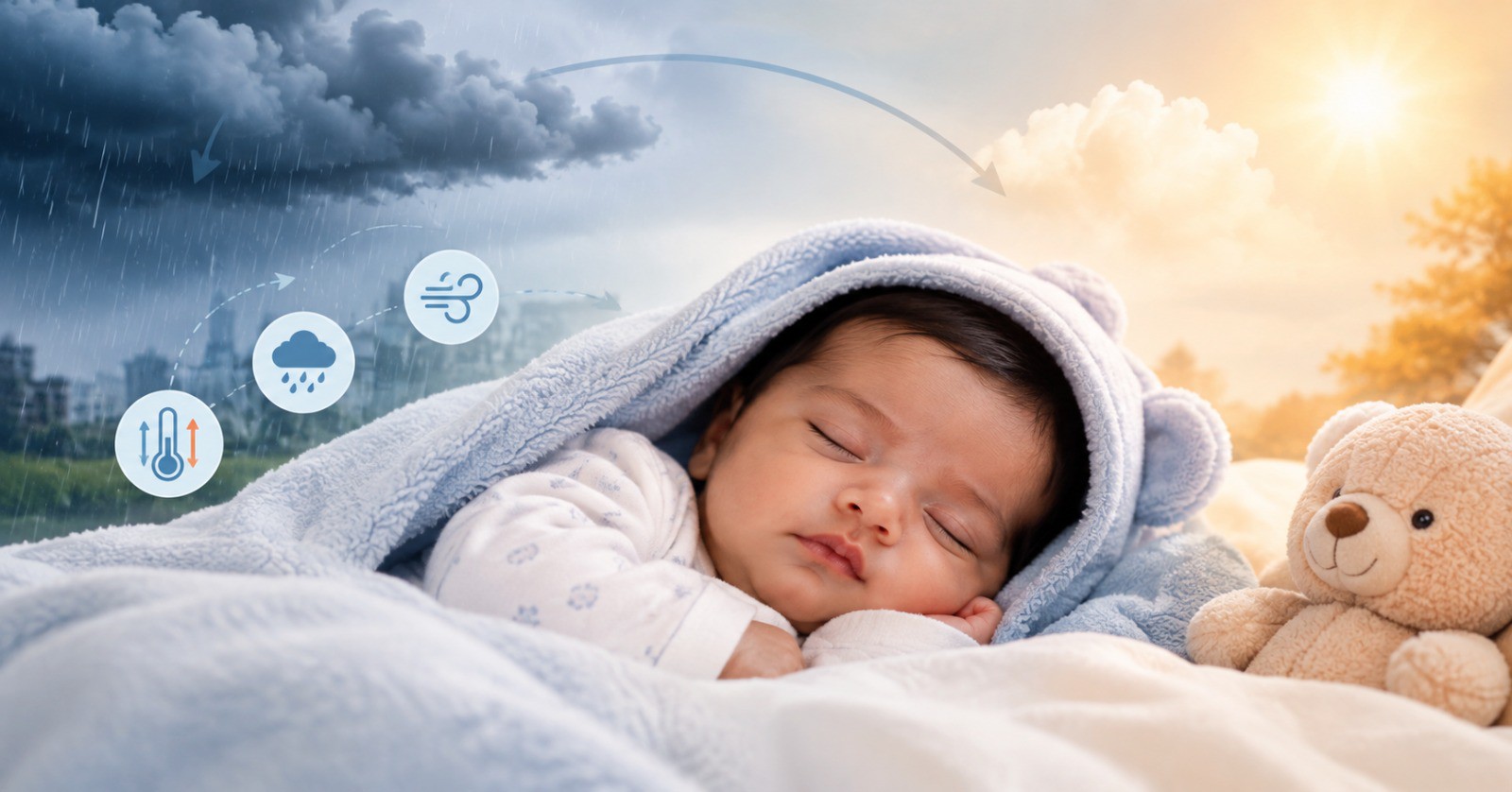
How Sudden Weather Changes Affect Newborn Babies: Health Risks and Care Tips

Newborn babies are more sensitive to changes in their surroundings than older children and adults. Sudden drops in temperature, increased humidity, unusual rains and changes in indoor conditions can affect their comfort and may increase the risk of certain health problems.Because newborns have an immature temperature-regulation system and developing immune systems, parents need to take extra care during sudden weather changes. Premature and low-birth-weight babies may require even closer monitoring.If you are concerned about your baby's health during changing weather conditions, consulting a best children's doctor, best neonatologist or best pediatrician can help ensure timely medical guidance.Why Are Newborns More Sensitive to Weather Changes?A newborn's body is still learning to regulate temperature. Babies can lose body heat more quickly than adults, while excessive clothing or heating can also cause overheating.Weather changes may indirectly affect newborn health through:Exposure to cold temperaturesDamp clothing or beddingHigh humidityPoor indoor ventilationIncreased exposure to respiratory infectionsChanges in feeding and sleep patternsThe goal is to keep your baby warm, dry and comfortable without overheating.1. Low Temperature and HypothermiaCold weather can cause newborns to lose body heat rapidly. If their body temperature falls significantly, it can lead to hypothermia.Parents should watch for signs such as:Cold skin or bodyUnusual sleepinessReduced activityWeak cryingPoor feedingBreathing difficultiesPremature and low-birth-weight babies
Loading booking..