15 March, 2020

Ways to stay positive and enjoy Pregnancy

As your pregnancy progresses, you’ll find yourself faced with various situations that might cause you mood swings. From morning sickness to challenges faced due to your growing belly, it may not always be easy to be in the best spirits during pregnancy. Sometimes, it may lead to anxiety and depression. In order to avoid this, it is important to focus on the good things. Below are some ways to stay positive and enjoy pregnancy:

  1. Maintain a Healthy Lifestyle

A healthy lifestyle not only ensures that you’re physically able to cope with pregnancy, it can also have a positive effect on your mind. It is important to stay active and eat right to develop healthy and happy thoughts. During pregnancy, you have several months to develop healthy eating habits and start a moderate exercise program. You can also take up meditation or anything else that makes way for a healthy mind.

  1. List down your Priorities

When you’re pregnant, you may have a hundred things on your mind. Sit down and sort out your priorities. Put yourself first and figure out what needs to be done to make things more comfortable for you and your growing fetus. Let go of things that aren’t important to you. Once you do that, it will help you feel stress free and happy.

  1. Relax and Pamper Yourself

Enjoy the attention that you receive during your pregnancy. Accept help from others when it comes to tasks and use that time to pamper yourself. Go for massages, spa or even a haircut. Find a prenatal yoga class and try meditation to get relief from anxiety and stress.

  1. Spend time with your Partner

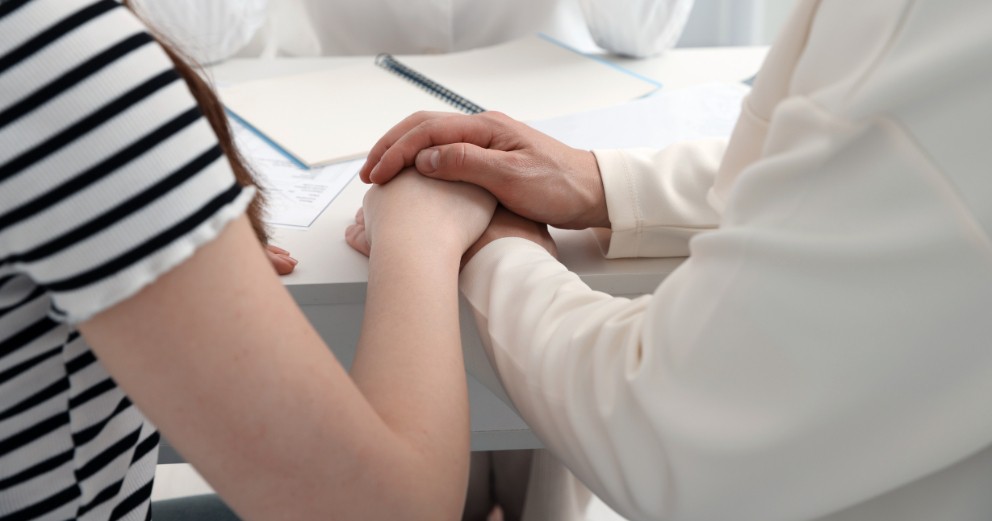
This is probably one of the last few times that you are going to be alone with your partner. Use this time to deepen and strengthen your relationship. Go on dates, take weekend getaways and share your hopes and fears. Support each other during this time. Understand each other’s needs and work towards helping each other out.

  1. Avoid Negativity

While you’re pregnant, try and avoid negative people and horror stories. Ask other women what they love the most about pregnancy. Join prenatal classes to meet other moms or pregnant women to share experiences with. Talk to your doctor to know about beautiful births they’ve been a part of. Keeping positive vibes around you can help you stay happy during pregnancy.

  1. Keep Yourself Informed

Arming yourself with knowledge can help decrease stress and anxiety during pregnancy. Read online about pregnancy but take care not to overdo it. Ask the doctors at KIMS Cuddles for any doubts that you may have. Seek out recommendations for good pregnancy and childcare books from other moms. You can also join various online groups and forums and discuss pregnancy with other parents. Remember to always double-check the medical information you get online, from a reliable source.

  1. Seek a Counselor

If you feel that you’re extremely stressed or have been experiencing severe anxiety, it is important to seek the opinion of a therapist or counselor. They can help ease your fears and make you comfortable during your pregnancy. Ignoring these symptoms will only make you unhappy and miserable, and lead to postpartum depression.

Pregnancy is a beautiful time for a carrying mother. Make the most of this time and enjoy this feeling. If you’re feeling overwhelmed, don’t be afraid to call our expert team of doctors at KIMS Cuddles for guidance.

*Information shared here is for general purpose Please take doctors’ advice before taking any decision.

SIMILAR ARTICLES

blog featured image

29 July, 2026

Irregular Periods: When to Investigate

Period irregularity is something many women experience at some point, and most learn to live with it, at least for a while. A late period during a stressful month, a lighter cycle after illness, a missed period after a long flight. These variations are common and usually self-correcting. The problem is that irregular periods are also how the body signals conditions that genuinely need attention, and because the irregularity can feel familiar, it is easy to keep waiting for things to normalise when they never will without proper evaluation.Knowing where the line sits between normal variation and something worth investigating is genuinely useful.What counts as irregularA normal menstrual cycle runs anywhere from 24 to 38 days, measured from the first day of one period to the first day of the next. Variation of up to eight days between the shortest and longest cycle is considered normal. Lengths ranging between 8 and 20 days of variation are considered moderately irregular, and variation of 21 days or more is considered very irregular.Changes outside the cycle length are also irregular. Periods that are either much heavier or lighter than normal, periods that are much longer or shorter than normal, periods between periods, and periods that are absent altogether, in a woman not pregnant, breastfeeding, or in menopause,
blog featured image

29 July, 2026

Fertility Decline: What Women Should Know

Conversations about fertility tend to happen too late. Women often begin thinking seriously about their reproductive timeline only when they are ready to conceive. At this point, some of the most important biological facts have already been playing out for years without their awareness. The decline in female fertility with age is one of the most consistently misunderstood aspects of reproductive health, and the gap between what women know and what the biology actually shows is significant.This is not about creating anxiety. It is about giving women accurate information early enough to make genuinely informed decisions.The Fundamental BiologyA woman is born with all the eggs she is going to have in her lifetime. Her eggs age with her, decreasing in quality and quantity. Age is the single most important factor affecting a woman's fertility.Females are born with a finite number of oocytes. The number of oocytes peaks in the womb at around 20 weeks of gestation and subsequently declines steadily until approximately age 32, after which the number decreases at a greater rate until age 37, beyond which oocyte numbers drop even more rapidly.This is not something that can be slowed by fitness, diet, or general good health. Even though women today are healthier and taking better care of themselves than ever before, improved
blog featured image

29 July, 2026

PMOS: Causes Beyond Hormones

Most patients understand Polycystic Metabolic Ovarian Syndrome, or PMOS, as a hormonal condition. Irregular periods, elevated androgens, and ovarian cysts on an ultrasound. The hormonal picture is real, but it is only part of the story. Decades of research have made it increasingly clear that PMOS is far more complex than a hormonal imbalance in isolation. It involves the metabolic system, the immune system, the gut, and genetics, all interacting in ways that produce a condition that looks different in every woman who has it.Understanding the fuller picture of what causes PMOS matters because it changes how the condition is managed and why lifestyle interventions work as well as they do.What PMOS Actually InvolvesPolycystic Metabolic Ovarian Syndrome is a complex endocrine and metabolic disorder, typically characterised by hirsutism, hyperandrogenism, ovulatory dysfunction, menstrual disorders, and infertility. The name itself reflects what the condition truly is. The metabolic component is not secondary to the ovarian and hormonal picture. It is central to it. Treating the hormonal symptoms without addressing the underlying metabolic drivers is one reason PMOS management often produces only partial results.Insulin Resistance Sits at the CentrePMOS insulin resistance, where cells throughout the body fail to respond normally to insulin, is considered the primary pathological basis for the reproductive dysfunction seen in PMOS.
Loading booking..