Health Blogs

image

29 July, 2026

PMOS: Causes Beyond Hormones

Authored By: Dr. D. Sandhya Rani

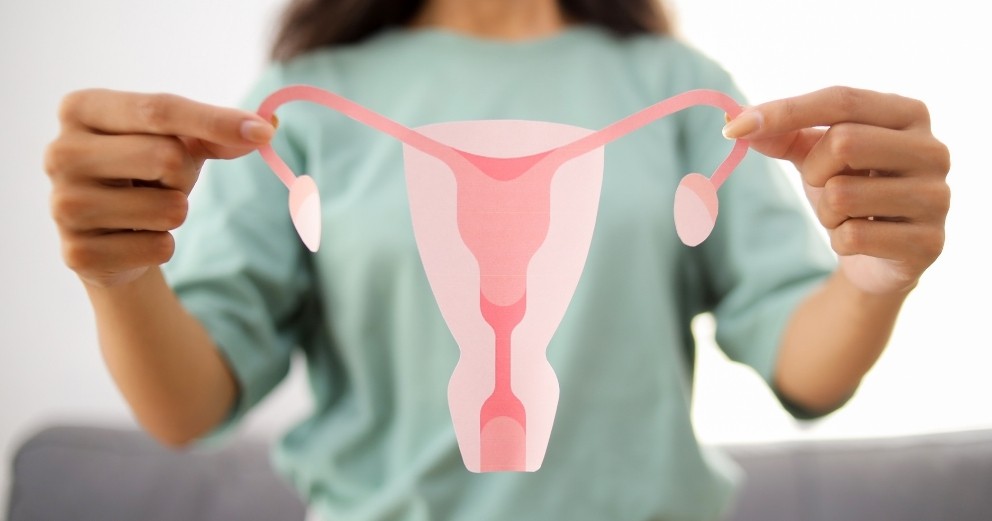
Most patients understand Polycystic Metabolic Ovarian Syndrome, or PMOS, as a hormonal condition. Irregular periods, elevated androgens, and ovarian cysts on an ultrasound. The hormonal picture is real, but it is only part of the story. Decades of research have made it increasingly clear that PMOS is far more complex than a hormonal imbalance in isolation. It involves the metabolic system, the immune system, the gut, and genetics, all interacting in ways that produce a condition that looks different in every woman who has it.Understanding the fuller picture of what causes PMOS matters because it changes how the condition is managed and why lifestyle interventions work as well as they do.What PMOS Actually InvolvesPolycystic Metabolic Ovarian Syndrome is a complex endocrine and metabolic disorder, typically characterised by hirsutism, hyperandrogenism, ovulatory dysfunction, menstrual disorders, and infertility. The name itself reflects what the condition truly is. The metabolic component is not secondary to the ovarian and hormonal picture. It is central to it. Treating the hormonal symptoms without addressing the underlying metabolic drivers is one reason PMOS management often produces only partial results.Insulin Resistance Sits at the CentrePMOS insulin resistance, where cells throughout the body fail to respond normally to insulin, is considered the primary pathological basis for the reproductive dysfunction seen in PMOS. This is not a peripheral detail.When cells resist insulin's signals, the pancreas compensates by producing more. High insulin levels then stimulate the ovaries to produce more androgens, including testosterone. These elevated androgens disrupt the normal development of follicles in the ovaries, interfere with ovulation, and produce the hormonal signs that bring most women to a doctor in the first place.Women with PMOS have an increased chance of primary infertility and miscarriages. The condition is also linked to a high risk of developing type 2 diabetes caused by insulin resistance, cardiovascular disease, endometrial cancer, and mental health conditions including anxiety and depression.Insulin resistance in PMOS is not always linked to body weight. Many women with PMOS and a normal body mass index still have significant insulin resistance, which is why weight alone is a poor indicator of whether this mechanism is at play.Chronic Inflammation as a Driving ForceChronic low-grade inflammation is known as a key factor in the development of PMOS and is closely associated with insulin resistance. This is a bidirectional relationship. Inflammation typically worsens insulin resistance, and insulin resistance promotes further inflammation. Together they create a self-reinforcing cycle that sustains the condition independently of hormonal treatment.Inflammatory markers like C-reactive protein and certain cytokines are consistently elevated in women with PMOS compared to those without it. This chronic inflammatory state has no single obvious trigger. It is driven by metabolic dysfunction, excess adipose tissue particularly around the abdomen, and increasingly, by the gut microbiome.The Gut Microbiome ConnectionThis is one of the most actively researched areas in PMOS science. Women with PMOS show unique gut microbial profiles marked by lower microbial diversity, a decrease in beneficial bacteria, and an increase in pro-inflammatory and endotoxin-producing species. These changes correspond to insulin resistance, obesity, low-grade inflammation and androgen excess, which are characteristics of PMOS.The gut microbiome plays a definite role in the development of PMOS through mechanisms including lipopolysaccharide signalling, short-chain fatty acid production, sex hormone regulation, and brain–gut interactions, leading to insulin resistance, hyperandrogenism, chronic inflammation, and metabolic changes.In practical terms, this means that the community of bacteria in the digestive system regulates hormone levels, immunological activity and metabolic function in ways that can either impair PMOS management or, given the right conditions, assist it. A diet that sustains beneficial gut bacteria is not just general health advice for someone with PMOS. It is directly relevant to the mechanisms driving the condition.Genetics and Family PatternsPMOS runs in families. A woman whose mother or sister has the condition carries a significantly higher risk of developing it herself. The genetic component of PMOS is real but actually complex, involving multiple genes rather than a single identifiable mutation. Genes related to insulin signalling, androgen production, and inflammation regulation all appear to contribute, which explains why the condition presents so differently between individuals, even within the same family.Genetics sets the terrain, but does not determine the outcome alone. Lifestyle, diet, body composition, and gut health all influence how strongly the genetic predisposition is expressed. This is why two women with identical genetic risk factors can have vastly different symptom profiles.What This Means for ManagementUnderstanding that PMOS causes extend beyond hormonal imbalance changes what effective management looks like. Addressing PMOS insulin resistance through dietary change and regular physical activity has measurable effects on androgen levels, cycle regularity, and fertility, without directly targeting hormones. A diet which is lower in refined carbohydrates and higher in fibre, protein, and healthy fats reduces the insulin spikes that drive androgen overproduction. Regular physical activity improves insulin sensitivity independently of weight loss, which is why the benefit is seen even in women whose weight does not change significantly.Managing chronic PMOS inflammation through an anti-inflammatory dietary pattern and supporting gut microbiome diversity through fibre-rich foods and fermented foods are increasingly recognised as meaningful parts of a comprehensive approach to the condition.TakeawaysHormonal imbalance is not the only cause of PMOS. In PMOS, insulin resistance is a core condition that initiates a cascade of metabolic failure resulting in androgen excess and reproductive dysfunction independent of the ovaries. This is further worsened by PMOS inflammation, maintained by the interplay of metabolic imbalance, adipose tissue and gut microbiota dysbiosis. Looking beneath the hormonal surface of PMOS means treating it as the complex metabolic and inflammatory disorder that it is, with lifestyle change as a central strategy, not an afterthought.

image

29 July, 2026

Fertility Decline: What Women Should Know

Authored By: Dr. D. Sandhya Rani

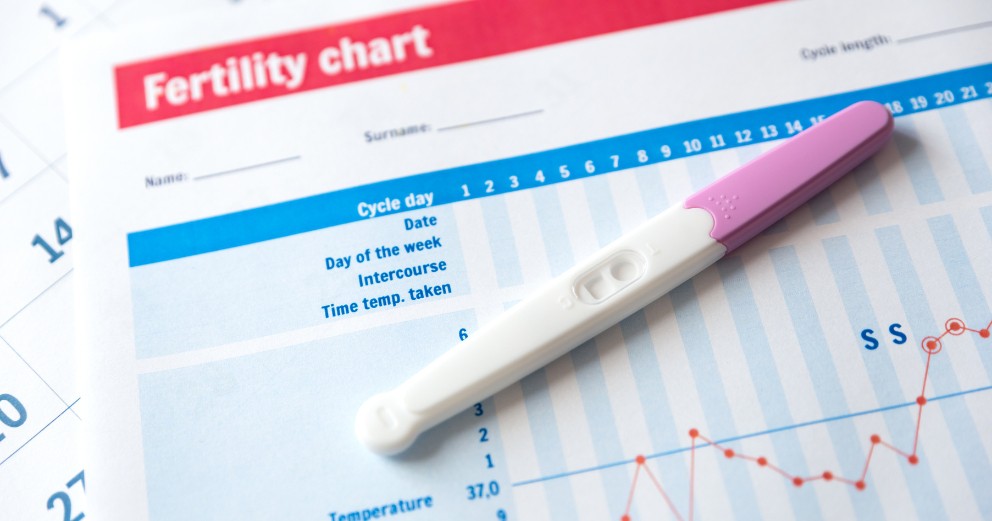
Conversations about fertility tend to happen too late. Women often begin thinking seriously about their reproductive timeline only when they are ready to conceive. At this point, some of the most important biological facts have already been playing out for years without their awareness. The decline in female fertility with age is one of the most consistently misunderstood aspects of reproductive health, and the gap between what women know and what the biology actually shows is significant.This is not about creating anxiety. It is about giving women accurate information early enough to make genuinely informed decisions.The Fundamental BiologyA woman is born with all the eggs she is going to have in her lifetime. Her eggs age with her, decreasing in quality and quantity. Age is the single most important factor affecting a woman's fertility.Females are born with a finite number of oocytes. The number of oocytes peaks in the womb at around 20 weeks of gestation and subsequently declines steadily until approximately age 32, after which the number decreases at a greater rate until age 37, beyond which oocyte numbers drop even more rapidly.This is not something that can be slowed by fitness, diet, or general good health. Even though women today are healthier and taking better care of themselves than ever before, improved health in later life does not offset the natural age-related decline in fertility. A woman in excellent physical health at 38 still has the ovarian reserve of a 38-year-old.When Does Fertility Actually Start DecliningThis is where most women are surprised. The common understanding is that fertility drops sharply at 35. The reality is more gradual and begins earlier than most expect.A woman's fertility begins to drop slightly around the time she reaches 30 and rapidly declines after she is in her mid-30s. Evidence indicates that fertility begins to decline after age 27 and declines substantially after age 35 compared with the 20s.The age of 35 is clinically significant, not because fertility drops off dramatically at that time, but because significant changes in the rate of fertility decline occur at that age, and risks of pregnancy complications, such as chromosomal abnormalities in the developing embryo and miscarriage, become more noticeable. These reduced rates of birth are matched by higher rates of spontaneous abortion and aneuploidy, and older women are at higher risk of having an operative delivery, hypertensive disorders, and gestational diabetes. What Ovarian Reserve Means And Why It MattersOvarian reserve is the number and quality of eggs in the ovary at a particular point. It is the simplest indicator of a woman's fertility and can be measured by either a blood test or an ultrasound. As women age, especially from the mid-30s, the decline in ovarian reserve in terms of both quality and quantity happens very rapidly, and the odds for conception and successful pregnancy become progressively harder.Anti-Mullerian hormone, commonly abbreviated as AMH, is the most widely used blood test for estimating ovarian reserve. It reflects the pool of developing follicles available in the ovaries and gives a reasonable indication of how many eggs remain. An antral follicle count on ultrasound provides complementary information. The tests provide a context for IVF and may help someone understand how likely they are to get pregnant, but they do not guarantee it or when it will occur; they are especially useful for women who are considering delaying childbearing and/or their fertility preservation options. Fertility Preservation: What Are the OptionsEgg freezing, or medically, oocyte cryopreservation, is the most time-tested approach available for fertility preservation. It is used by women who are not ready to become pregnant but want to ensure they have the option of doing so in the future. Eggs are retrieved after a hormone stimulation cycle, then frozen for future use.The earlier the eggs are frozen, the better the results, as their effectiveness decreases with age. Eggs frozen in the late 20s or early 30s have a much greater likelihood of producing a viable pregnancy when compared to eggs frozen in the late 30s. This is because egg quality (not quantity) declines with age, and frozen eggs reflect egg quality at the time of freezing.Before deciding on fertility preservation, women should consult with a reproductive endocrinologist about the process and likely success rates, and the consequences of the procedure. Medical Conditions that Accelerate Fertility DeclineAge is not the only factor that reduces ovarian reserve. Several medical conditions can deplete egg numbers or damage ovarian tissue well ahead of the expected timeline, sometimes significantly so.Endometriosis, particularly when it involves ovarian cysts called endometriomas, is one of the most common culprits. The cysts themselves can destroy functioning ovarian tissue, and the inflammatory environment that endometriosis creates further compromises the follicles surrounding them. Previous ovarian surgery carries a similar risk. Any procedure on the ovary, whether to remove a cyst, address torsion, or treat endometriosis, can inadvertently reduce the ovarian reserve if healthy follicle-containing tissue is removed alongside the targeted area. Premature ovarian insufficiency, where the ovaries stop functioning before the age of 40, can cause a dramatic and early reduction in fertility. It is associated with autoimmune conditions, certain genetic conditions such as Turner syndrome and Fragile X premutation, and in some cases, no identifiable cause at all.Autoimmune conditions more broadly, including lupus, rheumatoid arthritis, and thyroid disorders, can affect ovarian function through immune-mediated damage to ovarian tissue. Cancer treatment, specifically chemotherapy and pelvic radiation, is among the most significant medical causes of accelerated ovarian reserve decline. An often-overlooked factor in reproductive health is daily exposure to chemicals found in cosmetics, skincare, and personal care products. These substances interfere with the body's hormonal signalling in ways that research has linked to reduced ovarian reserve and disrupted menstrual cycles. Choosing fragrance-free, paraben-free, and phthalate-free products where possible is a simple, practical step women can take to reduce cumulative chemical exposure as part of a broader approach to protecting their reproductive health.Women with any of these conditions should have their ovarian reserve assessed earlier than they otherwise might, and discuss the implications for their reproductive plans with a gynaecologist or fertility specialist as soon as the diagnosis is established.TakeawaysFertility decline in women is a natural, gradual process related to the limited and age-related decrease in egg quality and number. Age and female fertility are directly correlated; fertility levels drop significantly after the late 20s and continue to decline after the mid-30s. Using AMH and antral follicle count can give women a great deal of information to help them evaluate their reproductive timeline. Egg freezing is best performed early in the reproductive years before a considerable loss of egg quality has taken place. Women who wish to have children, but are not ready to conceive, or those who have conditions which may help to accelerate the rate of ageing of their ovaries, should consider a reproductive consultation and not wait until it is an emergency.

image

29 July, 2026

Irregular Periods: When to Investigate

Authored By: Dr. Bhavani K Reddy

Period irregularity is something many women experience at some point, and most learn to live with it, at least for a while. A late period during a stressful month, a lighter cycle after illness, a missed period after a long flight. These variations are common and usually self-correcting. The problem is that irregular periods are also how the body signals conditions that genuinely need attention, and because the irregularity can feel familiar, it is easy to keep waiting for things to normalise when they never will without proper evaluation.Knowing where the line sits between normal variation and something worth investigating is genuinely useful.What counts as irregularA normal menstrual cycle runs anywhere from 24 to 38 days, measured from the first day of one period to the first day of the next. Variation of up to eight days between the shortest and longest cycle is considered normal. Lengths ranging between 8 and 20 days of variation are considered moderately irregular, and variation of 21 days or more is considered very irregular.Changes outside the cycle length are also irregular. Periods that are either much heavier or lighter than normal, periods that are much longer or shorter than normal, periods between periods, and periods that are absent altogether, in a woman not pregnant, breastfeeding, or in menopause, all fall within the category of periods that should be further evaluated.Common causes of irregular periodsStress and lifestyle factorsThe general causes regarding irregular menstruation are lifestyle problems like stress, weight loss or gain and smoking habits. Psychological stress interferes with hormonal signalling of the brain and ovaries via the hypothalamic-pituitary-ovarian axis. Under prolonged high levels of cortisol, the reproductive hormones that govern ovulation are inhibited, and cycles become erratic or cease entirely. This axis is sensitive to significant weight gain or loss, extreme exercise, and very low body fat percentage. These reasons are typical and can be easily reversed when the underlying cause is treated.Polycystic Metabolic Ovarian SyndromePolycystic Metabolic Ovarian Syndrome, or PMOS, is a complex hormonal and metabolic condition that causes menstrual irregularity. Insulin resistance and elevated androgen levels disrupt normal ovulation, producing cycles that are widely spaced, sometimes coming every few months, or irregular in pattern.Other features that accompany PMOS-related irregularity include acne, excess facial or body hair, and difficulty conceiving. Investigation for PMOS is warranted when cycle irregularity is persistent, particularly when these associated features are present.Thyroid dysfunctionBoth an underactive and an overactive thyroid can disturb menstrual regularity. Thyroid hormones regulate the pace of nearly every metabolic process in the body, including the reproductive cycle. Hypothyroidism can cause heavier and more frequent periods, while hyperthyroidism tends to produce lighter and less frequent ones. Since thyroid disease can present subtly in other ways, including fatigue, weight changes, and hair loss, women with unexplained cycle irregularity should have their thyroid function checked as part of the initial evaluation.Premature ovarian insufficiencyPremature ovarian insufficiency, also known as primary ovarian insufficiency, is defined as menopause before the age of 40 and presents as a spectrum of declining ovarian function resulting in reduced fertility due to a decrease in ovarian follicle number. Women with premature ovarian insufficiency experience irregular or absent periods, hot flushes, and other menopausal symptoms at an age when these would not normally be expected. The condition has implications for fertility, bone density, and cardiovascular health that require medical management well before natural menopause occurs.Structural causesFibroids, polyps, and other structural abnormalities within the uterus can all disrupt normal menstrual patterns. These may cause heavier bleeding, bleeding between periods, or significant changes in cycle length.Uterine cell wall overgrowth and cancer are causes of abnormal uterine bleeding that require investigation, particularly in women above 40, where these conditions become more common. Bleeding between periods or after sexual intercourse, in particular, should always prompt gynaecological evaluation to exclude structural or cervical causes.When to see a gynaecologist?So, when to see gynaecologist for periods? The time it takes many women to see a doctor concerning irregular periods is much longer than it should be. Consultation for gynaecology is required when:The cycles are always between 24 and 38 days across multiple monthsThere have been no three consecutive months without an explanationBleeding between periods occurs, particularly if it is recurring or follows intercourseCycle irregularity is also followed by other symptoms such as major acne, excess hair growth or unwanted weight gainA woman has not undergone regular ovulatory cycles and is attempting to conceiveAcute pain, chronic pain, or recurrent pain, which accompany irregularity in menstruation, are symptoms that should be examined immediatelyWhat investigation involvesAn evaluation of irregular periods in gynaecology is usually initiated by a thorough history of menstruation and physical examination. Blood tests measure hormone levels such as FSH, LH, oestrogen, testosterone, prolactin, and thyroid hormone. A pelvic ultrasound examines the position of the ovaries and uterus to determine whether they have structural abnormalities, polycystic ovarian morphology, fibroids, or polyps.Additional tests, such as a hysteroscopy to view directly into the uterus or an endometrial biopsy, could be prescribed depending on the initial examination and especially when abnormal uterine bleeding occurs in women over 40.TakeawaysIrregular periods are not always a sign of something serious, but they are always worth paying attention to. Irregular menstruation causes range from correctable lifestyle factors like stress, weight change, and extreme exercise, to medical conditions including PMOS, thyroid dysfunction, premature ovarian insufficiency, and structural uterine abnormalities. Knowing when to see a gynaecologist for periods, specifically when irregularity persists, is accompanied by other symptoms, or involves bleeding between cycles, avoids the delay that allows underlying conditions to go unmanaged for longer than necessary. A menstrual irregularity investigation is straightforward and provides information that no amount of waiting can.

image

27 August, 2024

Breastfeeding Essentials

Authored By:

Breastfeeding Essentials: Latching Techniques, Common Challenges and BenefitsBreastfeeding is a natural and beneficial way to nourish your baby, providing essential nutrients and fostering a unique bond between mother and child. While it can be a rewarding experience, many new mothers encounter challenges along the way. Understanding the essentials of breastfeeding, including latching techniques, common challenges and the myriad benefits, can help make this journey smoother and more fulfilling.Latching TechniquesA proper latch is crucial for effective breastfeeding and preventing discomfort or injury to the mother’s nipples. Here are some key points for achieving a good latch:Positioning: Position yourself and your baby comfortably. The cradle hold, cross-cradle hold and football hold are popular positions. Ensure that the baby’s body is aligned head, shoulders, and hips in a straight line facing your breast.Cues and Readiness: Look for hints that your baby is ready to feed, such as rooting (turning their head towards your breast), sucking motions, or putting their hands in their mouth. Mouth Placement: Gently touch your baby's lips with your nipple to get them to expand their mouth wide. Aim for a deep latch where your baby takes in not just the nipple but a good portion of the areola as well. The baby’s lips should be flanged out and their chin should touch your breast.Signs of a Good Latch: A good latch is usually pain free and feels like a gentle tug rather than sharp pain. You should see rhythmic sucking and hear swallowing sounds. If you notice any discomfort, gently relieve the suction by placing your finger into the corner of your baby's mouth and repositioning.Common ChallengesDespite the best preparations, many mothers encounter challenges in breastfeeding:Nipple Pain and Damage: This is often due to improper latching. Adjusting the latch or trying different breastfeeding positions can alleviate discomfort. Sometimes, nipple shields can help protect sore nipples.Engorgement: This occurs when breasts are overly full, leading to swelling and discomfort. Regular feeding, expressing milk or using cold compresses can relieve engorgement.Low Milk Supply: Concerns about insufficient milk are common. Ensuring frequent feeding and consulting with a lactation expert can help boost milk production.Mastitis: This breast infection causes pain, redness and fever. It’s crucial to continue breastfeeding or pumping and seek medical advice for appropriate treatment.Benefits of BreastfeedingBreastfeeding provides several benefits to both the mother and the baby:Nutritional Excellence: Breast milk provides the perfect balance of nutrients essential for your baby’s development. It contains antibodies that help strengthen the baby’s immune system, protecting against infections and diseases.Bonding and Emotional Benefits: Touch during nursing builds a strong emotional relationship between mother and child, giving the newborn a sense of security and comfort.Health Benefits for Mothers: Breastfeeding can help mothers recover post delivery by promoting uterine contractions that reduce bleeding. It also reduces the risk of breast and ovarian cancer, type 2 diabetes and postpartum depression.Economic and Environmental Benefits: Breastfeeding is cost effective, reducing the need for formula and associated feeding supplies. It also has a lower environmental impact than formula production and packing.ConclusionBreastfeeding is a journey that comes with its unique set of challenges and rewards. By understanding proper latching techniques, being prepared to address common issues and appreciating the numerous benefits, mothers can navigate this important phase with confidence and support. If you face difficulties, don’t hesitate to seek help from lactation consultants or healthcare providers, ensuring both you and your baby thrive during this special time.

image

12 January, 2024

Balancing Nutrition with Milestones

Authored By:

The period from 6 to 24 months is a dynamic phase in a child's life, marked by rapid growth and numerous developmental milestones. Nutrition plays a pivotal role during this time, supporting physical and cognitive advancements. This article explores the intricate balance between nutrition and developmental milestones, offering insights into the nutritional needs that coincide with key stages of growth.The Dynamic Landscape of Development:The developmental milestones from 6 to 24 months encompass a wide array of skills, including motor, cognitive, and social-emotional developments. Understanding these milestones is crucial for parents as they tailor their child's nutrition to support the emerging capabilities and needs.Nutritional Needs during the First Year:The initial six months are dominated by exclusive breastfeeding or formula feeding. This section will delve into the nutritional requirements during this exclusive milk-feeding phase, highlighting the critical role of breast milk or formula in meeting the baby's needs for optimal growth.Introduction of Complementary Foods and Cognitive Milestones:Around the sixth month, as babies start to sit up and show interest in solid foods, the introduction of complementary foods becomes a pivotal step. This section will explore how the introduction of textures and flavors aligns with cognitive milestones such as increased curiosity and awareness of the surrounding environment.Nutrient-Rich Foods for Cognitive Development:Cognitive development during the second half of the first year and into the second year requires specific nutrients. This part of the article will outline the importance of nutrients such as omega-3 fatty acids, iron, and zinc in supporting cognitive functions and offer a guide to incorporating these into the child's diet.Motor Skills and Nutritional Support:As infants progress from crawling to walking, their motor skills become more refined. Proper nutrition is essential to support the development of muscles, bones, and coordination. This section will provide insights into the nutrients crucial for motor skill development and suggest foods that provide adequate support.Speech and Language Development:The emergence of speech and language abilities is a significant milestone during this period. Nutrients such as vitamins and minerals play a role in supporting these developments. The article will discuss the link between nutrition and speech/language milestones and provide food recommendations.Social-Emotional Milestones and Nutritional Support:The social and emotional growth of a child is intertwined with their nutritional intake. This section will explore how a balanced diet contributes to emotional well-being and social interactions. It will also provide guidance on fostering positive eating habits and relationships with food.Addressing Nutritional Challenges During Milestones:The journey from 6 to 24 months may pose nutritional challenges, such as picky eating or the introduction of allergenic foods. This part of the article will offer practical solutions to address these challenges, ensuring that nutrition remains a supportive force during developmental milestones.Transition to Family Foods:As children approach the age of 2, their diet starts to resemble that of the rest of the family. This section will guide parents on the gradual transition to family foods, emphasizing the importance of continued attention to nutritional needs and preferences.Conclusion:Balancing nutrition with developmental milestones from 6 to 24 months is a dynamic and rewarding endeavor. By understanding the specific nutritional needs associated with various milestones, parents can provide the optimal support for their child's growth and development. This article aims to empower parents with knowledge, helping them navigate the intricate relationship between nutrition and milestones, fostering a healthy and thriving journey for their little ones.This article was written by:Mrs. Pooja Marathe,B.Sc Home Science, PGD Dietetics, MBA Food Management, Pediatric Nutritionist (India, UK), IYCF (India, USA), Certification in Pregnancy Nutrition (Germany), Maternity & Pediatric Nutritionist & Lactation Consultant.KIMS Cuddles, Sec-bad

image

12 January, 2024

Benefits of Breastfeeding Beyond 6 Months

Authored By:

Breastfeeding is a remarkable journey that goes beyond the initial months of a baby's life. While many mothers may choose to introduce complementary foods around six months, continuing to breastfeed beyond this point offers numerous benefits for both the baby and the mother. In this comprehensive exploration, we will delve into the advantages and considerations of breastfeeding beyond six months, addressing the nutritional, emotional, and developmental aspects of this unique and valuable relationship.The World Health Organization's Recommendations:Before delving into the benefits, it's essential to understand the recommendations provided by the World Health Organization (WHO). This section will outline the WHO guidelines, which recommend exclusive breastfeeding for the first six months of life and continued breastfeeding alongside appropriate complementary foods for up to two years or beyond.Nutritional Benefits for the Baby:Breast milk is a dynamic and ever-changing source of nutrition. Beyond six months, it continues to provide essential nutrients crucial for the baby's growth and development. This part of the exploration will discuss the nutritional benefits of breast milk, including the ongoing supply of antibodies, vitamins, minerals, and customized nutrients that adapt to the baby's changing needs.Continued Immune System Support:One of the remarkable features of breast milk is its ability to bolster the baby's immune system. This section will delve into the antibodies, white blood cells, and other immune-boosting components present in breast milk, highlighting how continued breastfeeding beyond six months contributes to the ongoing protection against infections and illnesses.Balanced Nutrition during the Transition to Solids:As babies transition to solid foods, breast milk serves as a valuable complement. This part of the exploration will discuss how breastfeeding beyond six months supports balanced nutrition during the gradual introduction of complementary foods. It will touch upon the role of breast milk in compensating for gaps in the nutritional profile of solid foods during this transitional period.Enhanced Cognitive Development:Breast milk is not only a source of physical nourishment but also plays a role in cognitive development. This section will discuss the components in breast milk that contribute to brain development, emphasizing how continued breastfeeding beyond six months may have positive implications for cognitive abilities and intelligence.Emotional and Psychological Benefits:The emotional bond established during breastfeeding is unparalleled. Beyond six months, this bond continues to flourish, fostering a sense of security and emotional well-being for both the baby and the mother. This part of the exploration will discuss the emotional and psychological benefits, including comfort, reassurance, and the promotion of a strong mother-infant attachment.Support for Developmental Milestones:Breastfeeding beyond six months aligns with the achievement of various developmental milestones. This section will explore how the physical closeness and comfort provided by breastfeeding support the development of motor skills, speech, and social-emotional milestones. It will emphasize the importance of responsive parenting and the role of breastfeeding in meeting the baby's emotional needs.Introduction of Family Foods and Breastfeeding:As babies begin to explore family foods, breastfeeding remains a vital component of their diet. This part of the exploration will discuss how breastfeeding can support the introduction of family foods, ensuring a gradual and smooth transition to a diverse diet while maintaining a reliable source of nutrition and comfort.Considerations for the Mother:While breastfeeding offers numerous benefits, it's essential to consider the mother's well-being as well. This section will address considerations such as maternal nutritional needs, the impact on fertility, and the balance between breastfeeding and maternal responsibilities or employment. Practical tips for managing extended breastfeeding will also be discussed.Weaning at the Child's Pace:Weaning is a gradual and individualized process. This part of the exploration will emphasize the importance of weaning at the child's pace, respecting their cues and preferences. It will discuss the gradual reduction of breastfeeding sessions and the introduction of alternative sources of nutrition as the child becomes more independent.Cultural and Societal Perspectives on Extended Breastfeeding:Breastfeeding practices vary across cultures, and societal attitudes may influence mothers' decisions regarding extended breastfeeding. This section will explore cultural perspectives on extended breastfeeding, addressing common misconceptions and offering insights into how societal support can impact a mother's breastfeeding journey.Addressing Common Concerns and Misconceptions:Extended breastfeeding may be met with various concerns and misconceptions. This part of the exploration will address common issues, such as concerns about tooth decay, nutritional adequacy, and social perceptions. Evidence-based information will be provided to help parents make informed decisions.Conclusion:Breastfeeding beyond six months is a multifaceted and deeply rewarding experience for both the baby and the mother. This comprehensive exploration has highlighted the myriad benefits, from ongoing nutritional support to enhanced emotional bonding and cognitive development. By understanding the unique contributions of breast milk beyond the first six months and considering individual circumstances, mothers can make informed decisions that align with the well-being of both themselves and their infants. This guide aims to empower mothers with knowledge, support, and a deeper appreciation for the continued journey of breastfeeding.This article was written by:Mrs. Pooja Marathe,B.Sc Home Science, PGD Dietetics, MBA Food Management, Pediatric Nutritionist (India, UK), IYCF (India, USA), Certification in Pregnancy Nutrition (Germany), Maternity & Pediatric Nutritionist & Lactation Consultant.KIMS Cuddles, Sec-bad

image

12 January, 2024

Essential Nutrients for Brain Development in Infants

Authored By:

The first few years of life are critical for brain development, laying the foundation for a child's cognitive abilities and future success. Nutrition plays a pivotal role during this period, providing the essential building blocks for the intricate process of brain development. In this article, we will explore the key nutrients crucial for optimal brain development in infants, understanding their roles and the impact of a well-balanced diet on cognitive growth.Omega-3 Fatty Acids:Omega-3 fatty acids, particularly docosahexaenoic acid (DHA), are fundamental for brain development. This section will delve into the importance of DHA in building neural connections and supporting overall cognitive function. We'll talk about sources of omega-3 fatty acids, such fatty fish, flaxseeds, and chia seeds, and how to include them in an infant's diet.Iron:For hemoglobin to be produced, iron is essential, which carries oxygen to the brain. This part of the article will explore the relationship between iron and cognitive development, emphasizing the increased need for iron during the first two years of life. Foods rich in iron, both heme and non-heme sources, will be highlighted, along with tips for enhancing iron absorption.Zinc:Zinc is a necessary mineral that is vital to neurotransmitter function and overall cognitive performance. This section will discuss the impact of zinc deficiency on brain development and provide insights into zinc-rich foods suitable for infants. Practical tips on combining zinc with other nutrients for optimal absorption will also be covered.Choline:Acetylcholine is a neurotransmitter that is derived from choline is critical for memory and learning. This part of the article will explore the significance of choline in early brain development and discuss sources such as eggs, liver, and certain vegetables. Guidance on incorporating choline into a baby's diet and potential supplementation considerations will be included.Vitamins:Several vitamins, including B vitamins and vitamin E, contribute to cognitive development. This section will break down the role of these vitamins in supporting various aspects of brain function, from energy metabolism to antioxidant protection. Food sources rich in these vitamins, such as whole grains, nuts, and leafy greens, will be explored.Proteins:Proteins are essential for the formation of neurotransmitters and the overall structure of the brain. This part of the article will discuss the importance of high-quality protein sources in an infant's diet, including breast milk or formula, as well as options like lean meats, dairy products, and plant-based proteins.Iodine:Thyroid hormones are essential for proper thyroid function, and iodine is essential for healthy brain development. This section will examine the link between iodine deficiency and cognitive impairments, emphasizing the importance of including iodine-rich foods in a child's diet. Practical tips on ensuring adequate iodine intake will also be provided.Antioxidants:Vitamins C and E are examples of antioxidants that shield the brain from inflammation and oxidative damage. This part of the article will explore how antioxidants contribute to brain health and discuss food sources such as fruits, vegetables, and nuts. Tips on creating antioxidant-rich meals for infants will be included.Breastfeeding and Brain Development:One special nutritional source that actively promotes brain growth is breast milk. This section will discuss the specific components of breast milk that contribute to cognitive growth, emphasizing the importance of exclusive breastfeeding during the first six months of life and continued breastfeeding as complementary foods are introduced.Potential Challenges and Solutions:Addressing potential challenges in ensuring infants receive adequate nutrients for brain development is crucial. This section will discuss common challenges, such as picky eating or allergies, and provide practical solutions to overcome these obstacles while maintaining a focus on optimal nutrition.Conclusion:Ensuring proper nutrition for brain development in infants is a responsibility that yields lifelong benefits. By understanding the significance of key nutrients, parents can actively contribute to their child's cognitive growth and lay the groundwork for future learning and success. This article aims to empower parents with the knowledge needed to make informed choices, create nutrient-rich meals, and foster an environment that nurtures the developing brain of their infants.This article was written by:Mrs. Pooja Marathe,B.Sc Home Science, PGD Dietetics, MBA Food Management, Pediatric Nutritionist (India, UK), IYCF (India, USA), Certification in Pregnancy Nutrition (Germany), Maternity & Pediatric Nutritionist & Lactation Consultant.KIMS Cuddles, Sec-bad

image

12 January, 2024

Benefits of Homemade Baby Food

Authored By:

The journey of introducing solid foods to infants is a significant milestone, and many parents find solace in preparing homemade baby food. Not only does it allow for a hands-on approach to a child's nutrition, but it also offers cost-effective and nutritious alternatives to commercially available options. In this article, we will explore the benefits of making baby food at home, delve into key nutritional considerations, and provide a variety of recipes to help parents create wholesome meals for their little ones.Benefits of Homemade Baby Food:Making baby food at home comes with a myriad of advantages. This section will discuss the benefits, including control over ingredients, customization based on the baby's needs, and the potential cost savings compared to store-bought options. Emphasizing the joy of actively participating in a child's nutritional journey, it encourages parents to embrace the process of preparing homemade baby food.Getting Started: Essential Tools and Ingredients:To embark on the homemade baby food journey, parents need a basic set of tools and ingredients. This section will outline essential equipment such as blenders or food processors and discuss key ingredients like fruits, vegetables, grains, and proteins. Practical tips on choosing organic produce and preparing homemade baby food in batches will also be covered.Age-Appropriate Foods:As infants transition to solid foods, it's crucial to provide age-appropriate options that align with their developmental stage. This part of the article will guide parents on selecting the right foods for different age groups, ensuring that the texture and nutritional content are suitable for the baby's evolving needs.Nutritional Considerations:Homemade baby food offers an opportunity to maximize nutritional content. This section will delve into the essential nutrients for infants and how parents can incorporate them into homemade recipes. Discussions on iron-rich foods, healthy fats, and introducing a variety of flavors will be included to help parents create a well-rounded and nutritious diet.Creative and Nutrient-Rich Recipes:The heart of this article lies in providing a diverse array of recipes that cater to various taste preferences and nutritional needs. From simple fruit purees to more complex combinations of vegetables, grains, and proteins, each recipe will be accompanied by nutritional highlights and tips on preparation. This section aims to inspire parents to experiment with flavors and textures, fostering a love for wholesome foods.Avocado and Banana Mash: A nutrient-packed option rich in healthy fats and potassium.Sweet Potato and Carrot Puree: A vibrant and vitamin A-rich puree for eye health and immune support.Quinoa and Apple Cereal: An excellent source of protein and fiber for sustained energy.Spinach and Pear Blend: A iron-rich option promoting healthy blood development.Oatmeal with Blueberries and Yogurt: A delicious and calcium-rich combination for bone health.Broccoli and Cauliflower Medley: A cruciferous vegetable mix for antioxidants and immune support.Chickpea and Sweet Potato Curry: A protein and fiber-packed savory option for developing taste buds.Pumpkin and Lentil Soup: A hearty soup introducing legumes and beta-carotene.Mango and Greek Yogurt Popsicles: A refreshing and calcium-rich treat for teething infants.Brown Rice and Chicken Congee: A comforting and protein-filled congee for added texture and taste.Storage and Safety Tips:Ensuring the safety and freshness of homemade baby food is paramount. This section will provide guidance on proper storage techniques, tips for preventing contamination, and advice on introducing new foods cautiously to monitor potential allergies.Cost-Effectiveness of Homemade Baby Food:In addition to nutritional benefits, making baby food at home can be a cost-effective choice. This part of the article will break down the potential savings compared to commercial options and discuss how strategic shopping and meal planning contribute to affordability.Conclusion:Homemade baby food offers a wholesome and budget-friendly approach to nourishing infants during their transition to solid foods. By understanding the benefits, mastering age-appropriate recipes, and incorporating key nutritional considerations, parents can actively contribute to their child's growth and development. This article aims to empower parents with the knowledge and inspiration needed to embrace the journey of preparing nutritious and cost-effective homemade baby food, fostering a positive and healthy start for their little ones.This article was written by:Mrs. Pooja Marathe,B.Sc Home Science, PGD Dietetics, MBA Food Management, Pediatric Nutritionist (India, UK), IYCF (India, USA), Certification in Pregnancy Nutrition (Germany), Maternity & Pediatric Nutritionist & Lactation Consultant.KIMS Cuddles, Sec-bad

image

12 January, 2024

Allergies and Intolerances in Babies

Authored By:

As babies embark on their journey of solid food introduction after 6 months, parents often encounter the complexities of allergies and intolerances when new foods are introduced with the hope of acceptance of the fresh food. The child may accept it, throw it out, or spit it if they do not like it. They may also show some discomfort, which could be signs that make it difficult for the mother to understand the acceptance and taste of it. Mothers understand the signs of acceptance and discomfort, and understanding the difference between the two makes it easy for the mother to need to see a doctor because these conditions are different for the well-being of the infant.What are Allergies and Intolerances:We need to start observing the between allergies and intolerances is essential for accurate recognition and management for the child of various age groups. Many parents find it difficult to know the difference between the two as they look quite similar. Immune-mediated food allergies and non-immune-mediated intolerances are examples of adverse food reactions. Nevertheless, there is frequently confusion regarding this distinction and the participation of several pathogenetic pathways. Additionally, there is a mismatch in the real versus perceived prevalence of immune-mediated food allergies as well as extremely common non-immune food reactions. There is a chance that a careless approach to accurately identifying them will result in improper diets that are severely deficient in nutrients.Understanding Signs and Symptoms:We need to recognize that allergies and intolerances rely on observing a few baby signs and symptoms. The common signs and symptoms noticed areSkin reactions (eczema, hives)Gastrointestinal issues (diarrhea, vomiting)Respiratory problems (coughing, wheezing)Behavioral changesFood Intolerance( special dislike for peanuts and vegetables)Common Allergens and Triggers:Certain foods are more likely to trigger allergic reactions in infants from 6 months onwards. These could be found on examination with a routine prescribed investigation. The most common allergens are found to be milk, eggs, peanuts, nuts, soy, wheat, fish, and shellfish. The mother could also observe the foods for triggering factors and where she can note this. She can tell the primary care given upon the visit what foods trigger the above-stated signs and symptoms or if she notices anything different.Lactose Intolerance in Babies:Lactose intolerance is a common form of intolerance, particularly as babies transition to dairy-based foods. Lactose tolerance can be identified during breastfeeding issues when the babies become extremely fussy during feeding and experience vomiting and loose motion, which could be one of the early signs and symptoms of identification. Lactose tolerance can be settled for a few days if the mother excludes dairy from her diet, but still, if this pertains, then investigation prescribed by the neonatologist will help in the identification of the intolerance in detail.Diagnostic Approaches:When allergies or intolerances are suspected, diagnostic approaches become crucial and need to be treated as the top most priority.. Various methods, including skin prick tests, blood tests, and elimination diets, highlighting their benefits and limitations. The results of the test take a longer time. These are special tests run in the labs, which can be costly, but they will help to save the life of a child in the journey. These tests are costly in India and have been performed by special labs which produce accurate results leading to rear findings which can be recorded.Managing Allergies and Intolerances:Once allergies or intolerances are confirmed, managing becomes key to ensure the baby's health and well-being. The allergens which have been identified can be excluded from the foods of the baby. We also need to ensure we adequately educate the parents in reading good labels, warning signs, and a list of ingredients.Parents can effectively manage food allergies and may adhere to a different food choice.Introduction of Solid Foods and Allergenic Foods:The timing and method of introducing solid foods at the age of 6 months can impact the development of the child, and also there can be nutritional deficits. Talking to a nutritionist will help the parents identify which nutrient is lacking by the child in their growth and development and that will be beneficial for the child to not have any compromised health.Breastfeeding and Allergy Prevention:Breastfeeding in allergy prevention is a crucial aspect of managing allergies in babies. Breastfeeding plays a crucial role in allergy prevention for infants. Breast milk contains antibodies such as IgA and IgE and protein based nutrients that strengthen the baby's immune system, reducing the risk of allergies. Exclusive breastfeeding for the first six months is recommended to provide optimal protection against allergic reactions and promote overall health; however, if kids are found to have allergies in the first 6 months, then they are advised special formulas that will help them prevent these allergies.Managing Emotional Aspects:Managing emotional aspects in food allergies involves open communication with family and near ones. This helps to educate oneself and others and practice empathy. Coping with anxiety or fear requires strong support from family and friends, emphasizing safe food environments, and cultivating resilience. The Emotional challenges associated with food allergies enhance the overall well-being of individuals, and community work brings in a lot of love and faith, which helps the family to grow.Allergies and Intolerances: A Lifelong JourneyAllergies and intolerances create a lifelong journey of navigating dietary choices that need to be altered by age and situation. Parenst need to foster constant check with feedback, education, and adaptability to become helpful if they see a parent require any support..Managing symptoms, seeking medical guidance, and fostering understanding in social gatherings are ongoing aspects of life and can't be avoided. Despite these challenges, we must embrace a proactive and informed approach, ensuring a balanced and fulfilling lifestyle.Conclusion:In conclusion, we must understand that child food allergies require a multifaceted approach encompassing education, communication, and follow-up management. Empathy and understanding from doctors, educators, and parents play a pivotal role. Children with food allergies can thrive With well-informed strategies, a supportive environment, and a community, ensuring a healthy and inclusive upbringing.This article was written by:Mrs. Pooja Marathe,B.Sc Home Science, PGD Dietetics, MBA Food Management, Pediatric Nutritionist (India, UK), IYCF (India, USA), Certification in Pregnancy Nutrition (Germany), Maternity & Pediatric Nutritionist & Lactation Consultant.KIMS Cuddles, Sec-bad

image

10 January, 2024

Celebrating Dietetic Day: Nourishing Health

Authored By:

World Dietetic DayDietetic Day, observed on January 10th annually, stands as a significant occasion to recognize and celebrate the invaluable contributions of dietitians and nutrition professionals worldwide. This day serves as a platform to highlight the crucial role they play in promoting health and well-being through proper nutrition. In this comprehensive article, we delve into the origins of Dietetic Day, the evolving landscape of nutrition science, the vital role of dietitians, and the broader impact of healthy eating on individual and community health.I. Origins of Dietetic Day:Dietetic Day traces its roots back to the need for increased awareness about the importance of a balanced and nutritious diet. The inaugural celebration aimed to acknowledge the efforts of dietitians in addressing global health challenges related to malnutrition, obesity, and various diet-related diseases. Understanding the historical context provides a foundation for appreciating the growth and significance of dietetics in contemporary society.II. Evolution of Nutrition Science:Over the years, nutrition science has undergone remarkable advancements, expanding our understanding of the intricate relationship between diet and health. From the discovery of essential nutrients to the exploration of personalized nutrition, the field has evolved significantly. This section explores key milestones in nutrition science and highlights how these discoveries have shaped the practices of dietitians, enabling them to offer more targeted and evidence-based guidance.III. The Crucial Role of Dietitians:Dietitians, as healthcare professionals specializing in nutrition, play a pivotal role in the promotion of optimal health and prevention of chronic diseases. This section outlines the diverse responsibilities of dietitians, including nutritional assessment, personalized meal planning, education, and counseling. Through their expertise, dietitians empower individuals and communities to make informed choices that align with their health goals.IV. Impact of Dietetics on Individual Health:Individual health is intricately connected to dietary choices. In this section, we explore how dietitians contribute to the improvement of individual health by addressing specific nutritional needs, managing chronic conditions, and fostering healthy eating habits. Case studies and real-life examples illustrate the transformative impact of personalized dietary interventions guided by dietitians.V. Community Health and Nutrition Programs:Beyond individual health, dietitians play a vital role in designing and implementing community-wide nutrition programs. This section explores the initiatives undertaken by dietitians to address broader health challenges, such as food insecurity, nutritional education in schools, and community outreach programs. By fostering a sense of collective responsibility, dietitians contribute to creating healthier and more resilient communities.VI. Challenges and Opportunities in Dietetics:Despite the progress made in the field of dietetics, challenges persist. This section discusses ongoing issues such as misinformation, cultural variations in dietary practices, and the need for continued research. Additionally, it highlights the opportunities for innovation, collaboration, and advocacy to overcome these challenges and further elevate the impact of dietetics on global health.VII. Celebrating Dietetic Day Worldwide:Dietetic Day is celebrated globally, and this section provides a glimpse into various events, campaigns, and activities organized by dietetic associations and healthcare institutions. From seminars and webinars to social media campaigns, the article showcases the diverse ways in which Dietetic Day is commemorated, fostering a sense of community among dietitians and promoting public engagement.Conclusion:In conclusion, Dietetic Day on January 10th serves as a momentous occasion to reflect on the evolution of dietetics, the vital role of dietitians in individual and community health, and the ongoing challenges and opportunities in the field. As we celebrate this day, let us recognize and appreciate the dedication of dietitians worldwide, working tirelessly to enhance the well-being of individuals and promote a healthier, more nourished society.This article was written by Mrs. Pooja Marathe,B.Sc Home Science, PGD Dietetics, MBA Food Management, Pediatric Nutritionist (India, UK), IYCF (India, USA), Certification in Pregnancy Nutrition (Germany), Maternity & Pediatric Nutritionist & Lactation Consultant.KIMS Cuddles, Sec-bad

Loading booking..