SERVICES WE PROVIDE

Bringing a new life to an existence is one of the most precious moments of any parent’s life. At KIMS Cuddles, we strive to make those precious moments of a mother even more memorable and cherishing through our services.

Nutrition Plan

After the delivery of the baby, the body of the mother becomes weak and thus it becomes important to provide proper nutrition and rest to her....

Read More...

Post-Natal-Care

We provide fitness consultation for both mother and child. It is very important for both to maintain a good health post pregnancy. We have a team of experts to take care of it....

Read More...

Patient Testimonials


Mrs Rajinth Naik

Health Blogs

image

29 July, 2026

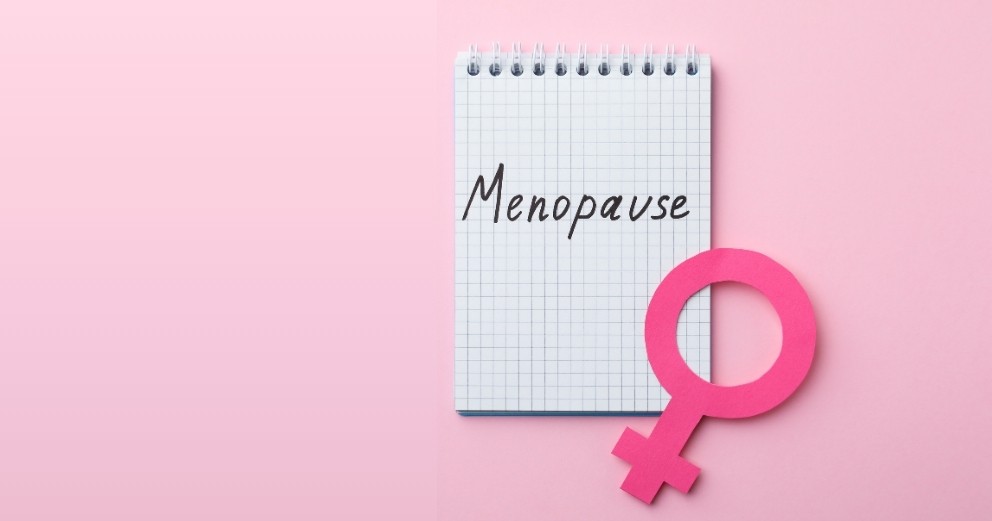
Menopause Symptoms and Management: A Complete Guide for Women

Authored By: Dr. Angel Lucy James

A woman plays a pivotal role in the family today. In the era of science and technology, we see that women’s life expectancy has increased. This means that a woman passes more than one-third of her life in the menopausal age group.  Menopause is not a disease. It is a natural biological transition, the point at which a woman's menstrual cycles end permanently following the decline of ovarian function. But natural does not mean painless or uncomplicated, and for many women, the years surrounding this transition bring changes that affect sleep, mood, cognition, relationships, and physical health in ways that deserve proper attention. According to the Indian menopause society, the average age of menopause for Indian women is  46.2 years, which is 5 yrs earlier than the global average of 51 years. What does menopause actually involve?Medical professionals define menopause as having occurred when a woman has not had any menstrual bleeding for one year. The transition leading up to this point is called perimenopause, and it can begin anywhere from two to ten years before the final period. Perimenopause is when most of the symptoms that women associate with menopause actually occur, driven by the fluctuating and declining levels of oestrogen and progesterone as the ovaries wind down their function.The symptoms women actually experienceMenopause symptoms vary considerably between individuals.Symptoms include hot flushes and night sweats, mood changes, pain in the joints andvaginal dryness.Increased central bellyA hot flush is a sudden wave of heat, usually beginning in the chest and spreading to the neck and face, often accompanied by flushing and sweating.Other menopause symptoms include sleep disturbances, decreased sexual desire, painful intercourse due to vaginal dryness and thinning.Cognitive symptoms include brain fogging, not being able to focus on work and impaired memoryMenopause and bone healthThis is one of the most clinically significant long-term consequences of menopause that receives insufficient attention. Oestrogen plays a critical role in maintaining bone density. When oestrogen levels fall after menopause, bone resorption accelerates, and the skeleton loses density faster than it is replenished. The result, over the years, can be osteoporosis, a condition that significantly increases the risk of fractures from minor falls or even everyday activities. Menopause and bone health management start with adequate calcium and vitamin D intake, by diet or supplementation, and weight-bearing physical exercise, which is the most effective lifestyle approach for maintaining bone density. Women with significant risk factors for osteoporosis should discuss bone density scanning with their gynaecologist to establish a baseline and monitor for progressive loss.Managing menopause symptomsMenopause management depends on which symptoms are most troublesome, their severity, and the individual woman's medical history and preferences. For hot flushes and night sweats, practical lifestyle adjustments help reduce frequency and severity. Avoiding known triggers, including caffeine, alcohol, spicy food, and hot environments, dressing in layers, keeping the bedroom cool, and managing stress all make a measurable difference for many.Hormone therapy, which replaces the oestrogen and, where needed, progesterone that the body is no longer producing in adequate amounts, is the most effective treatment available for menopause symptoms. It reduces hot flushes, improves sleep, addresses vaginal symptoms and safeguards bone density.The decision on whether hormone therapy is suitable for an individual woman entails a detailed conversation with a gynaecologist or menopause specialist about her symptoms, medical history, cardiovascular risk and personal preferences. It is not suitable for everyone, but for many women, the benefits significantly outweigh the risks.Health management and Lifestyle recommendations Increasing intake of phytoestrogens, found in Soy, chickpea, Bengal gram and sesame seeds, reduces the severity of hot flushes. Processed carbohydrates and sugars intensify psychological symptoms and sleep disorders. Whole grains and complex carbohydrates help maintain stable energy levels and reduce the severity of hot flushes. Excessive intake of saturated fat leads to increased vasomotor symptoms and cardiovascular risk.  Fish rich in Omega-3 fatty acids reduce hot flush severity. Low protein exacerbates menopausal bone and muscle symptoms. Adequate protein intake counteracts age-related muscle loss.  Routine health check-up, including bone density evaluations and cardiovascular screening, is a must. Fit at 40, Strong at 60, Independent at 80 The 40s are often a period of significant hormonal changes. Many women begin to notice the early signs of perimenopause, including changes in metabolism, sleep patterns, and energy levels. This is the ideal time to prioritise regular exercise, a balanced diet, weight management,  and preventive health. By the age of 60, maintaining strength becomes just as important as maintaining fitness.  Menopause-related hormonal changes can lead to loss of bone density and muscle mass,  increasing the risk of osteoporosis and falls Independence at 80 is not achieved overnight; it is built through decades of healthy choices.  Women who remain physically active, mentally engaged, socially connected, and medically proactive are more likely to maintain their lives.

image

29 July, 2026

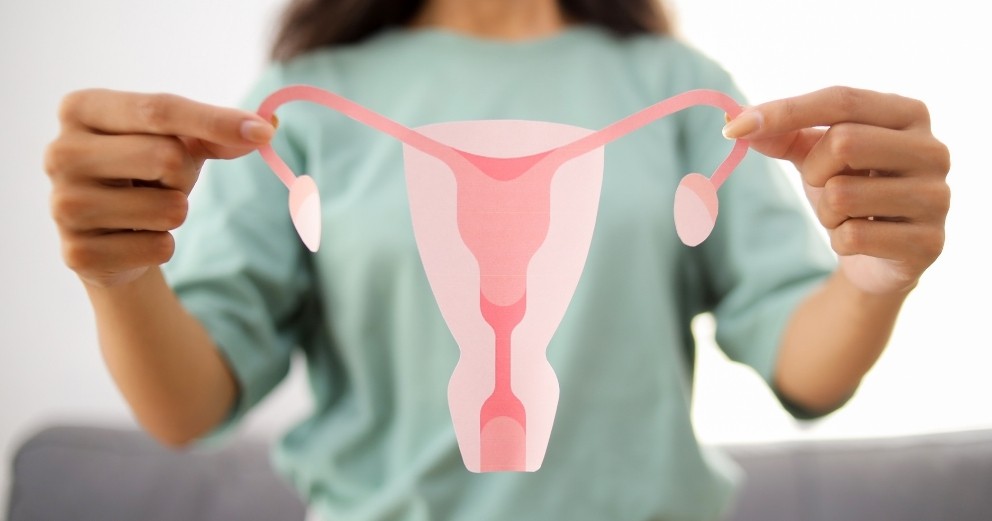
PMOS: Causes Beyond Hormones

Authored By: Dr. D. Sandhya Rani

Most patients understand Polycystic Metabolic Ovarian Syndrome, or PMOS, as a hormonal condition. Irregular periods, elevated androgens, and ovarian cysts on an ultrasound. The hormonal picture is real, but it is only part of the story. Decades of research have made it increasingly clear that PMOS is far more complex than a hormonal imbalance in isolation. It involves the metabolic system, the immune system, the gut, and genetics, all interacting in ways that produce a condition that looks different in every woman who has it.Understanding the fuller picture of what causes PMOS matters because it changes how the condition is managed and why lifestyle interventions work as well as they do.What PMOS Actually InvolvesPolycystic Metabolic Ovarian Syndrome is a complex endocrine and metabolic disorder, typically characterised by hirsutism, hyperandrogenism, ovulatory dysfunction, menstrual disorders, and infertility. The name itself reflects what the condition truly is. The metabolic component is not secondary to the ovarian and hormonal picture. It is central to it. Treating the hormonal symptoms without addressing the underlying metabolic drivers is one reason PMOS management often produces only partial results.Insulin Resistance Sits at the CentrePMOS insulin resistance, where cells throughout the body fail to respond normally to insulin, is considered the primary pathological basis for the reproductive dysfunction seen in PMOS. This is not a peripheral detail.When cells resist insulin's signals, the pancreas compensates by producing more. High insulin levels then stimulate the ovaries to produce more androgens, including testosterone. These elevated androgens disrupt the normal development of follicles in the ovaries, interfere with ovulation, and produce the hormonal signs that bring most women to a doctor in the first place.Women with PMOS have an increased chance of primary infertility and miscarriages. The condition is also linked to a high risk of developing type 2 diabetes caused by insulin resistance, cardiovascular disease, endometrial cancer, and mental health conditions including anxiety and depression.Insulin resistance in PMOS is not always linked to body weight. Many women with PMOS and a normal body mass index still have significant insulin resistance, which is why weight alone is a poor indicator of whether this mechanism is at play.Chronic Inflammation as a Driving ForceChronic low-grade inflammation is known as a key factor in the development of PMOS and is closely associated with insulin resistance. This is a bidirectional relationship. Inflammation typically worsens insulin resistance, and insulin resistance promotes further inflammation. Together they create a self-reinforcing cycle that sustains the condition independently of hormonal treatment.Inflammatory markers like C-reactive protein and certain cytokines are consistently elevated in women with PMOS compared to those without it. This chronic inflammatory state has no single obvious trigger. It is driven by metabolic dysfunction, excess adipose tissue particularly around the abdomen, and increasingly, by the gut microbiome.The Gut Microbiome ConnectionThis is one of the most actively researched areas in PMOS science. Women with PMOS show unique gut microbial profiles marked by lower microbial diversity, a decrease in beneficial bacteria, and an increase in pro-inflammatory and endotoxin-producing species. These changes correspond to insulin resistance, obesity, low-grade inflammation and androgen excess, which are characteristics of PMOS.The gut microbiome plays a definite role in the development of PMOS through mechanisms including lipopolysaccharide signalling, short-chain fatty acid production, sex hormone regulation, and brain–gut interactions, leading to insulin resistance, hyperandrogenism, chronic inflammation, and metabolic changes.In practical terms, this means that the community of bacteria in the digestive system regulates hormone levels, immunological activity and metabolic function in ways that can either impair PMOS management or, given the right conditions, assist it. A diet that sustains beneficial gut bacteria is not just general health advice for someone with PMOS. It is directly relevant to the mechanisms driving the condition.Genetics and Family PatternsPMOS runs in families. A woman whose mother or sister has the condition carries a significantly higher risk of developing it herself. The genetic component of PMOS is real but actually complex, involving multiple genes rather than a single identifiable mutation. Genes related to insulin signalling, androgen production, and inflammation regulation all appear to contribute, which explains why the condition presents so differently between individuals, even within the same family.Genetics sets the terrain, but does not determine the outcome alone. Lifestyle, diet, body composition, and gut health all influence how strongly the genetic predisposition is expressed. This is why two women with identical genetic risk factors can have vastly different symptom profiles.What This Means for ManagementUnderstanding that PMOS causes extend beyond hormonal imbalance changes what effective management looks like. Addressing PMOS insulin resistance through dietary change and regular physical activity has measurable effects on androgen levels, cycle regularity, and fertility, without directly targeting hormones. A diet which is lower in refined carbohydrates and higher in fibre, protein, and healthy fats reduces the insulin spikes that drive androgen overproduction. Regular physical activity improves insulin sensitivity independently of weight loss, which is why the benefit is seen even in women whose weight does not change significantly.Managing chronic PMOS inflammation through an anti-inflammatory dietary pattern and supporting gut microbiome diversity through fibre-rich foods and fermented foods are increasingly recognised as meaningful parts of a comprehensive approach to the condition.TakeawaysHormonal imbalance is not the only cause of PMOS. In PMOS, insulin resistance is a core condition that initiates a cascade of metabolic failure resulting in androgen excess and reproductive dysfunction independent of the ovaries. This is further worsened by PMOS inflammation, maintained by the interplay of metabolic imbalance, adipose tissue and gut microbiota dysbiosis. Looking beneath the hormonal surface of PMOS means treating it as the complex metabolic and inflammatory disorder that it is, with lifestyle change as a central strategy, not an afterthought.

image

29 July, 2026

Fertility Decline: What Women Should Know

Authored By: Dr. D. Sandhya Rani

Conversations about fertility tend to happen too late. Women often begin thinking seriously about their reproductive timeline only when they are ready to conceive. At this point, some of the most important biological facts have already been playing out for years without their awareness. The decline in female fertility with age is one of the most consistently misunderstood aspects of reproductive health, and the gap between what women know and what the biology actually shows is significant.This is not about creating anxiety. It is about giving women accurate information early enough to make genuinely informed decisions.The Fundamental BiologyA woman is born with all the eggs she is going to have in her lifetime. Her eggs age with her, decreasing in quality and quantity. Age is the single most important factor affecting a woman's fertility.Females are born with a finite number of oocytes. The number of oocytes peaks in the womb at around 20 weeks of gestation and subsequently declines steadily until approximately age 32, after which the number decreases at a greater rate until age 37, beyond which oocyte numbers drop even more rapidly.This is not something that can be slowed by fitness, diet, or general good health. Even though women today are healthier and taking better care of themselves than ever before, improved health in later life does not offset the natural age-related decline in fertility. A woman in excellent physical health at 38 still has the ovarian reserve of a 38-year-old.When Does Fertility Actually Start DecliningThis is where most women are surprised. The common understanding is that fertility drops sharply at 35. The reality is more gradual and begins earlier than most expect.A woman's fertility begins to drop slightly around the time she reaches 30 and rapidly declines after she is in her mid-30s. Evidence indicates that fertility begins to decline after age 27 and declines substantially after age 35 compared with the 20s.The age of 35 is clinically significant, not because fertility drops off dramatically at that time, but because significant changes in the rate of fertility decline occur at that age, and risks of pregnancy complications, such as chromosomal abnormalities in the developing embryo and miscarriage, become more noticeable. These reduced rates of birth are matched by higher rates of spontaneous abortion and aneuploidy, and older women are at higher risk of having an operative delivery, hypertensive disorders, and gestational diabetes. What Ovarian Reserve Means And Why It MattersOvarian reserve is the number and quality of eggs in the ovary at a particular point. It is the simplest indicator of a woman's fertility and can be measured by either a blood test or an ultrasound. As women age, especially from the mid-30s, the decline in ovarian reserve in terms of both quality and quantity happens very rapidly, and the odds for conception and successful pregnancy become progressively harder.Anti-Mullerian hormone, commonly abbreviated as AMH, is the most widely used blood test for estimating ovarian reserve. It reflects the pool of developing follicles available in the ovaries and gives a reasonable indication of how many eggs remain. An antral follicle count on ultrasound provides complementary information. The tests provide a context for IVF and may help someone understand how likely they are to get pregnant, but they do not guarantee it or when it will occur; they are especially useful for women who are considering delaying childbearing and/or their fertility preservation options. Fertility Preservation: What Are the OptionsEgg freezing, or medically, oocyte cryopreservation, is the most time-tested approach available for fertility preservation. It is used by women who are not ready to become pregnant but want to ensure they have the option of doing so in the future. Eggs are retrieved after a hormone stimulation cycle, then frozen for future use.The earlier the eggs are frozen, the better the results, as their effectiveness decreases with age. Eggs frozen in the late 20s or early 30s have a much greater likelihood of producing a viable pregnancy when compared to eggs frozen in the late 30s. This is because egg quality (not quantity) declines with age, and frozen eggs reflect egg quality at the time of freezing.Before deciding on fertility preservation, women should consult with a reproductive endocrinologist about the process and likely success rates, and the consequences of the procedure. Medical Conditions that Accelerate Fertility DeclineAge is not the only factor that reduces ovarian reserve. Several medical conditions can deplete egg numbers or damage ovarian tissue well ahead of the expected timeline, sometimes significantly so.Endometriosis, particularly when it involves ovarian cysts called endometriomas, is one of the most common culprits. The cysts themselves can destroy functioning ovarian tissue, and the inflammatory environment that endometriosis creates further compromises the follicles surrounding them. Previous ovarian surgery carries a similar risk. Any procedure on the ovary, whether to remove a cyst, address torsion, or treat endometriosis, can inadvertently reduce the ovarian reserve if healthy follicle-containing tissue is removed alongside the targeted area. Premature ovarian insufficiency, where the ovaries stop functioning before the age of 40, can cause a dramatic and early reduction in fertility. It is associated with autoimmune conditions, certain genetic conditions such as Turner syndrome and Fragile X premutation, and in some cases, no identifiable cause at all.Autoimmune conditions more broadly, including lupus, rheumatoid arthritis, and thyroid disorders, can affect ovarian function through immune-mediated damage to ovarian tissue. Cancer treatment, specifically chemotherapy and pelvic radiation, is among the most significant medical causes of accelerated ovarian reserve decline. An often-overlooked factor in reproductive health is daily exposure to chemicals found in cosmetics, skincare, and personal care products. These substances interfere with the body's hormonal signalling in ways that research has linked to reduced ovarian reserve and disrupted menstrual cycles. Choosing fragrance-free, paraben-free, and phthalate-free products where possible is a simple, practical step women can take to reduce cumulative chemical exposure as part of a broader approach to protecting their reproductive health.Women with any of these conditions should have their ovarian reserve assessed earlier than they otherwise might, and discuss the implications for their reproductive plans with a gynaecologist or fertility specialist as soon as the diagnosis is established.TakeawaysFertility decline in women is a natural, gradual process related to the limited and age-related decrease in egg quality and number. Age and female fertility are directly correlated; fertility levels drop significantly after the late 20s and continue to decline after the mid-30s. Using AMH and antral follicle count can give women a great deal of information to help them evaluate their reproductive timeline. Egg freezing is best performed early in the reproductive years before a considerable loss of egg quality has taken place. Women who wish to have children, but are not ready to conceive, or those who have conditions which may help to accelerate the rate of ageing of their ovaries, should consider a reproductive consultation and not wait until it is an emergency.

image

29 July, 2026

Irregular Periods: When to Investigate

Authored By: Dr. Bhavani K Reddy

Period irregularity is something many women experience at some point, and most learn to live with it, at least for a while. A late period during a stressful month, a lighter cycle after illness, a missed period after a long flight. These variations are common and usually self-correcting. The problem is that irregular periods are also how the body signals conditions that genuinely need attention, and because the irregularity can feel familiar, it is easy to keep waiting for things to normalise when they never will without proper evaluation.Knowing where the line sits between normal variation and something worth investigating is genuinely useful.What counts as irregularA normal menstrual cycle runs anywhere from 24 to 38 days, measured from the first day of one period to the first day of the next. Variation of up to eight days between the shortest and longest cycle is considered normal. Lengths ranging between 8 and 20 days of variation are considered moderately irregular, and variation of 21 days or more is considered very irregular.Changes outside the cycle length are also irregular. Periods that are either much heavier or lighter than normal, periods that are much longer or shorter than normal, periods between periods, and periods that are absent altogether, in a woman not pregnant, breastfeeding, or in menopause, all fall within the category of periods that should be further evaluated.Common causes of irregular periodsStress and lifestyle factorsThe general causes regarding irregular menstruation are lifestyle problems like stress, weight loss or gain and smoking habits. Psychological stress interferes with hormonal signalling of the brain and ovaries via the hypothalamic-pituitary-ovarian axis. Under prolonged high levels of cortisol, the reproductive hormones that govern ovulation are inhibited, and cycles become erratic or cease entirely. This axis is sensitive to significant weight gain or loss, extreme exercise, and very low body fat percentage. These reasons are typical and can be easily reversed when the underlying cause is treated.Polycystic Metabolic Ovarian SyndromePolycystic Metabolic Ovarian Syndrome, or PMOS, is a complex hormonal and metabolic condition that causes menstrual irregularity. Insulin resistance and elevated androgen levels disrupt normal ovulation, producing cycles that are widely spaced, sometimes coming every few months, or irregular in pattern.Other features that accompany PMOS-related irregularity include acne, excess facial or body hair, and difficulty conceiving. Investigation for PMOS is warranted when cycle irregularity is persistent, particularly when these associated features are present.Thyroid dysfunctionBoth an underactive and an overactive thyroid can disturb menstrual regularity. Thyroid hormones regulate the pace of nearly every metabolic process in the body, including the reproductive cycle. Hypothyroidism can cause heavier and more frequent periods, while hyperthyroidism tends to produce lighter and less frequent ones. Since thyroid disease can present subtly in other ways, including fatigue, weight changes, and hair loss, women with unexplained cycle irregularity should have their thyroid function checked as part of the initial evaluation.Premature ovarian insufficiencyPremature ovarian insufficiency, also known as primary ovarian insufficiency, is defined as menopause before the age of 40 and presents as a spectrum of declining ovarian function resulting in reduced fertility due to a decrease in ovarian follicle number. Women with premature ovarian insufficiency experience irregular or absent periods, hot flushes, and other menopausal symptoms at an age when these would not normally be expected. The condition has implications for fertility, bone density, and cardiovascular health that require medical management well before natural menopause occurs.Structural causesFibroids, polyps, and other structural abnormalities within the uterus can all disrupt normal menstrual patterns. These may cause heavier bleeding, bleeding between periods, or significant changes in cycle length.Uterine cell wall overgrowth and cancer are causes of abnormal uterine bleeding that require investigation, particularly in women above 40, where these conditions become more common. Bleeding between periods or after sexual intercourse, in particular, should always prompt gynaecological evaluation to exclude structural or cervical causes.When to see a gynaecologist?So, when to see gynaecologist for periods? The time it takes many women to see a doctor concerning irregular periods is much longer than it should be. Consultation for gynaecology is required when:The cycles are always between 24 and 38 days across multiple monthsThere have been no three consecutive months without an explanationBleeding between periods occurs, particularly if it is recurring or follows intercourseCycle irregularity is also followed by other symptoms such as major acne, excess hair growth or unwanted weight gainA woman has not undergone regular ovulatory cycles and is attempting to conceiveAcute pain, chronic pain, or recurrent pain, which accompany irregularity in menstruation, are symptoms that should be examined immediatelyWhat investigation involvesAn evaluation of irregular periods in gynaecology is usually initiated by a thorough history of menstruation and physical examination. Blood tests measure hormone levels such as FSH, LH, oestrogen, testosterone, prolactin, and thyroid hormone. A pelvic ultrasound examines the position of the ovaries and uterus to determine whether they have structural abnormalities, polycystic ovarian morphology, fibroids, or polyps.Additional tests, such as a hysteroscopy to view directly into the uterus or an endometrial biopsy, could be prescribed depending on the initial examination and especially when abnormal uterine bleeding occurs in women over 40.TakeawaysIrregular periods are not always a sign of something serious, but they are always worth paying attention to. Irregular menstruation causes range from correctable lifestyle factors like stress, weight change, and extreme exercise, to medical conditions including PMOS, thyroid dysfunction, premature ovarian insufficiency, and structural uterine abnormalities. Knowing when to see a gynaecologist for periods, specifically when irregularity persists, is accompanied by other symptoms, or involves bleeding between cycles, avoids the delay that allows underlying conditions to go unmanaged for longer than necessary. A menstrual irregularity investigation is straightforward and provides information that no amount of waiting can.

image

28 August, 2024

Prenatal and Postnatal Vitamins

Authored By:

The Importance of Prenatal and Postnatal Vitamins for Mothers and BabiesPregnancy and the postpartum period are critical times for both mother and baby, requiring extra nutritional support to ensure healthy development and recovery. Prenatal and postnatal vitamins play a vital role in meeting these nutritional needs, supporting both the mother’s wellbeing and the baby’s growth. This blog explores the importance of these vitamins, what they contain and how they benefit mothers and babies.Prenatal Vitamins: Supporting a Healthy PregnancyWhy Prenatal Vitamins are Essential?Prenatal vitamins are specially formulated supplements designed to provide the extra nutrients needed during pregnancy. They help bridge nutritional gaps in a mother's diet, ensuring both her health and the healthy development of the baby.Key Nutrients in Prenatal VitaminsFolic Acid: Crucial for preventing neural tube defects in the developing fetus. It's recommended that women start taking folic acid before conception and continue through pregnancy.Iron: Supports the increased blood volume in the mother and helps deliver oxygen to the baby. It also prevents anemia, which can cause fatigue and other complications.Calcium and Vitamin D: Essential for the development of the baby's bones and teeth. They also support the mother's bone health.DHA (Docosahexaenoic Acid): An omega-3 fatty acid important for the development of the baby's brain and eyes.Iodine: Vital for thyroid function, which regulates metabolism and supports fetal brain development.Benefits for the MotherPrenatal vitamins not only support the baby's growth but also help the mother maintain her health. They can reduce the risk of pregnancy complications like preeclampsia, support immune function and help manage pregnancy related fatigue and nausea.Postnatal Vitamins: Nourishing Recovery and LactationThe Role of Postnatal VitaminsAfter childbirth, a mother's nutritional needs continue to be elevated, especially if she is breastfeeding. Postnatal vitamins help replenish nutrients lost during pregnancy and delivery and support lactation.Essential Nutrients in Postnatal VitaminsCalcium: Critical for bone health, especially if breastfeeding, as calcium can be depleted from the mother's body to provide for the baby.Vitamin D: Supports the immune system and bone health for both mother and baby. Breastfed babies rely on their mother's vitamin D stores.Iron: Helps replenish iron stores that may have been depleted during childbirth and supports energy levels.B Vitamins: Including B6 and B12, these support energy production and can help combat postpartum depression and fatigue.Omega-3 Fatty Acids: Important for the development of the baby's brain and eyes and they can support the mother's mental health.Benefits for the BabyPostnatal vitamins are especially important for breastfeeding moms since they have a direct impact on the quality of breast milk. Adequate nutritional intake ensures that the infant gets enough vitamins and minerals to grow and thrive.Choosing the Right VitaminsWhen choosing prenatal and postnatal vitamins, it is important to consult with a healthcare provider. They can recommend a supplement that meets your specific needs based on your diet, health status and any existing medical conditions.ConclusionPrenatal and postnatal vitamins are critical for the health of both mother and baby, since they provide important nutrients for growth, development and recuperation. Understanding the importance of these vitamins and adding them into your healthcare regimen will help you have a healthy pregnancy and postpartum time. Remember that, while vitamins are vital, they should be combined with a well balanced diet rich in whole foods to provide a comprehensive approach to mother and newborn health.

image

10 February, 2021

5 ways to stay motivated with pregnancy workout

Authored By:

Moving around and staying active during pregnancy is the best way to have a safe and joyous pregnancy. And we all know the privileges of exercising during pregnancy that give you tremendous results and the baby. No matter how good exercising is, staying committed and motivated to it throughout the pregnancy is difficult. Here are 5 quick ways to keep you motivated with pregnancy workouts.  Always remind yourself about the benefits of the workout that brings to you and your baby  Knowing the worth of the exercise is far apart from remembering it. Remind yourself about the amusing benefits you and your baby will achieve through your little efforts. Look into the after results as well. You can get back to your regular routine sooner when you exercise rather than not working out. Weigh out the results and keep a check on them. Get your friends and family to exercise with you if you feel demotivated any day Having the same motivation levels every day is definitely not an easy thing to do during pregnancy. The fluctuating hormones will get you back. On such low days, get support from your near and dear ones. Get your friends and family to exercise and participate with you. Make the workout session more joyous and involve your loved ones to make it memorable.  Enjoy your every success and mark them as achievements during your pregnancy You need not achieve high targets during pregnancy. The main motive of the entire workouts is to keep you active. So pick some simple and easy targets to chase. Crack them and enjoy your success. Mark them and celebrate your victories as the best moments of your pregnancy. This will automatically motivate you to the next easy target. Select a suitable and comfortable place and pattern for your everyday routine  Replacing and finding a new routine will make you feel refreshed. But, having a suitable and comfortable place for an everyday workout will make you feel at ease. You can even pick your favourite, enjoyable pattern of workouts. For instance, gyms might not work for you during pregnancy; the extra sweat and circulated air might suffocate you. So you can always choose a fresh and joyful spot for your routine. Join into pregnancy peer classes to have some company  Working out alone might be tiring. But, having a group of your own class will be more fun to hand around. You can talk, share and exercise together. You can join into any pregnancy workout community or workout class to achieve this. You can always find a class that interests you, fits your calendar, and makes you feel joyful.  To understand more about the benefits of workouts during pregnancy, you can read out our article 10 Reasons to Exercise during Pregnancy. Find ways to keep up your focus and enjoy the best results of exercising during pregnancy!!  *Information shared here is for general purpose. Please take doctors’ advice before taking any decision.

image

22 January, 2021

3 Effective breathing exercises during Pregnancy

Authored By:

Apart from the regular body changes that occur during pregnancy, emotional changes are also significant. The overwhelming feelings that you feel are rather unexpressed most of the time. The conditional mood swings caused due to the pregnancy hormones have a huge impact on your mental stability during pregnancy. Breathing exercises will greatly help in calming down all the pregnancy.  Breathing exercises also help in the efficient removal of waste products and a plentiful supply of oxygen for both the mother and child. Effective breathing will purify and calms down the nervous system. It induces a feeling of pleasantness and well-being. Check out these 3 effective breathing techniques during pregnancy,  Breathing deeply from the stomach  This can be practiced while sitting in a comfortable position or lying down on the floor. Start relaxing with the deep breaths that move your stomach up and down. For additional motivation or concentration, you can try placing a toy or an object on your stomach. You can focus on the object, moving up and down to avoid distractions. This belly or diaphragmatic breathing is good for pregnancy as it results in 1/3rd more oxygen being inhaled than regular. Chest breathing  Chest breathing is a definite breathing technique that concentrates on the breath drawing from the chest, not deep. The concentration is placed on the rib cage and thoracic cavity expansion during inhalation and exhalation. This exercise can be practiced alone or with the stomach breathing alternatively.  Shallow or chest breathing Shallow breathing or chest breathing is a technique where you draw minimal breath into the lungs. This technique is highly recommended to reduce stress during pregnancy. Place one of your hands on the chest and the other on your belly to observe the quick moments during the inhalation and exhalation. Concentrate on your breath and try to breathe in and out gently. You can practice this multiple times a day whenever you feel comfortable or stressed.  While being pregnant, concentrating on your breathing will help you have a more peaceful and joyous experience. Practice yourself or seek support from your doctor to begin the new routine, and happy pregnancy! Note:  It is advisable to wait about three hours after a heavy meal or an hour or two after a light meal or regular snacks to practise breathing exercises!  *Information shared here is for general purpose. Please take doctors’ advice before taking any decision. 

image

11 September, 2020

Exercises in preparation for Delivery for 7-9 months pregnant

Authored By:

Pregnancy is bliss to embrace. But, delivering a baby is the most challenging thing to contain. The natural vaginal birth requires a lot of strength and endurance for labour pains. The process is tedious and extremely painful. But, it is all worth to welcome your little one. However, you can make this process little easy and smooth by preparing your body. Labour pain is caused due to the contractions of uterus muscles, pressure on cervix, bladder, stretching of the birth canal, and abdominal, back, and groin. It can be compared to your regular menstrual cramps with an intensity of 100X times. Enduring this pain requires a lot of mental and physical strength. Few exercises during the third trimester will significantly help your body to strengthen the pelvic muscles. Firstly, it is entirely safe to exercise during the third trimester of pregnancy, but it is essential to pick the suitable exercises and check the high standards of care. Check these simple exercises to prepare yourself for delivery during the third trimester! Kegel exercise  Kegel exercise will top the list among all. They do induce not only the pregnancy but also strengthens the pelvic muscles. Kegels keep the vaginal muscles firm. This compactness will help you manage fatigue, incontinence, and infections of the urinary system. The strength of pelvic muscles will help you muster the power to push the baby out. Kegels are quite simple to perform. It involves tightening and releasing of the muscles surrounding the pelvis for ten to twenty seconds at a time. You can do this exercise at least ten to twenty times a day with regular rest. Pilates  Pilates are consistent exercises required throughout the pregnancy period from the starting of the first month. They significantly improve core strength and elasticity. The abdominal muscles weaken with the growing baby inside. This weakening can lead to high back and ribs pain. Thus, pilates can help you soothe with these side pains during pregnancy. Pilates is usually performed by stretching hands and knees. As they do not include the movements or pressure on the abdomen, they are entirely safe. However, incorrect positioning might affect the fetus and requires proper trainer guidance. Squats  Squatting is renowned for its effect on reducing labour time. This exercise is a lower body workout that significantly makes the pelvic gap wider. It also allows the smooth movement of muscles allowing the baby to emerge without much effort. Performing squats requires minimal equipment or no equipment. You need to stand with the shoulder-width distance between legs and lower yourself to the ground until your sides are parallel to knees. Repeat this about twenty times per day. Lunges Lunges are also one of the lower body workouts that focus on the movements of the hips. Lunges give the foetus adequate space to turn around while descending. They are simple to perform with no equipment being required. Stand straight and take a long step forward with either of your legs. Stretch it long enough till the forwarded leg is bent near the knee and the back leg is stretched on the toes. Take the support of a family member, trainer or a wall to maintain the position and balance. You can repeat these for ten times for each of the leg being forwarded. Cardiovascular exercises  Cardio and aerobic exercises are simple solutions to keep your body fit and well during pregnancy. These exercises greatly boost the intake of oxygen and help you supply the right amounts to your baby. These workouts include walking, jogging, swimming, aqua Zumba, treadmill workouts and bicycling. You can check the safe cardio exercises suitable for the third trimester of pregnancy here. While pregnancy is a mesmerising time, you can get easily wary away during the ninth month. Keeping up the changes and body weight seems varying. Preparing for labour during this period is vital to draw your body up for the final phase of delivery. Follow these effortless and easy exercises during pregnancy period and prepare yourself for the safe vaginal birth. *Information shared here is for general purpose. Please take doctors’ advice before making any decision.

image

01 March, 2020

10 Effective Pregnancy Sleep Tips

Authored By:

Good sleep during pregnancy might be a distant dream for most mothers. Your growing belly can affect your sleeping position and might cause mild discomfort. Apart from this, there is the usual anxiety, stress and hormonal fluctuations that might prevent you from sleeping well. You may also have to get up several times during the night to empty your increasingly cramped bladder. If you’re facing any of the above, here are 10 effective pregnancy sleep tips: Avoid sleep during the day Lack of sleep during the night may tempt you to catch up on it during the day. However, daytime sleepiness might make it more difficult to sleep at night as it takes away some of the sleep pressure that builds up over the day. If you must, take a quick nap that lasts no more than 30 minutes and ensure that this naptime is at least 5-6 hours before your bedtime. Skip late-night snacks Snacking on foods, especially oily and fried ones, late at night can cause acid reflux or heartburn. It might make you uncomfortable and keep you wide awake. To prevent this, don’t consume anything in 2 hours before bedtime. Also, don’t recline for an hour or two after meals and sleep with your head elevated on pillows. Also, try to avoid spicy and friend foods that may worsen symptoms. Sleep on your left side It is often recommended that after 20 weeks, pregnant mothers should avoid lying flat on their backs and sleep on their sides. It helps reduce the amount of pressure on the uterus and helps mothers to breathe better. This position also relieves backaches. The American Pregnancy Association suggests sleeping on the left side to help increase the amount of blood and nutrients that flow to the baby. Exercise It is important to exercise regularly during pregnancy for optimum health. It helps to improve blood circulation and reduces cramping in the legs that occur during night time. It will also help you tire and make you sleepy. However, avoid exercising late in the day as it releases adrenaline that might keep you awake at night. More fluids during daytime Staying hydrated is essential for pregnant women and they drink a lot of fluids throughout the day. The growing baby also puts pressure on the bladder which results in frequent trips to the bathroom. This can be particularly troublesome during the night as it interferes with their sleep. In order to avoid this, be sure to get plenty of liquids during the day but cut back at least 3-4 hours before bedtime. Night time urination can’t be avoided completely by its frequency can be controlled in this manner. Turn off the lights A dark, quiet room can help you sleep better. Check for objects with bright lights, such as alarm clocks or any other electronic sources that might interfere with your sleep. Keep these away from directly facing you as artificial light can disturb natural sleep and inhibit the production of the hormone melatonin that affects sleep cycle. Try to ensure that your blinds or curtains are closed to keep bright morning light away. Get into a routine A soothing, comforting, evening routine can help establish consistency and help you become more relaxed to sleep better. Try drinking a cup of warm milk, reading a couple of pages from a good book, taking a shower or getting a message every day to set a routine. Find out what works the best for you and do it on a daily basis. Manage stress and anxiety Stress and anxiety can have a big impact on a good night’s sleep. Make sure you talk to your family or friends about any concerns that you may have that are keeping you up at night. Even yoga or medication can help calm you down and help you relax. You can also try and seek help from a professional in case you feel the need to do so. Our team at KIMS Cuddles is always around to help you out with effective pregnancy sleep tips and other. Support your body Often times, discomfort or pain the body causes lack of sleep in pregnant women.  A majority of women don’t realize that a certain arrangement of pillows can solve these problems. Using a special pregnancy pillow or regular pillow to support your body can help ease backaches and discomfort. Placing a pillow slightly tucked under your back side will also support your back and hold you upright. For more comfort, try to sleep on your side with one pillow under your knee and another under your belly. Get professional help If your insomnia persists, speak to your doctor and seek professional help. Talk to the doctors at KIMS Cuddles to find a solution to all your sleep problems. It is essential to get as much rest as you can get during pregnancy. Get in touch with KIMS Cuddles for any queries on effective pregnancy sleep tips or other. While it may seem like getting an eight hour sleep is impossible during pregnancy, little things that you do can help you relax and get a good night’s sleep. For any queries that you may have in effective pregnancy sleep tips or any other, get in touch with our team at KIMS Cuddles. Hope this blog of effective pregnancy sleep tips was helpful to you.   *The opinions expressed in this article are not to be substituted for medical advice under any circumstance

image

27 February, 2020

5 Prenatal Exercise programs for Moms-to-be

Authored By:

Exercising and gym may not be your first priority during pregnancy. However, working out when you’re expecting can have several mental and physical benefits for moms-to-be and their babies. Here are 5 prenatal exercise programs that all expectant mothers should take up during their pregnancy: Yoga Prenatal yoga is one of the most recommended prenatal exercise programs during pregnancy. Not only does it ease tension, it can also boost your mood, and can even make for an easier delivery. In general, a yoga practice that emphasizes therapeutics and alignment awareness is a good choice. It helps improve your posture and reduces the likelihood of back pain. Avoid poses that involve rigorous twisting, that could compress the baby from either side, or require you to lie on your back. Pilates Pilates strengthen your tummy, back and pelvic floor muscles, without straining other joints. The main benefit of pilates is that it targets the exact muscles and functions that can be a problem during pregnancy, and after birth, in a safe way. Doing pilates throughout your pregnancy will help keep you relaxed during delivery. Water Aerobics Water aerobics may reduce your pain during labor. A study published in Reproductive Health found that women who did water aerobics three times a week were less likely to ask for pain relief during labor, compared to those who didn’t exercise. Keep the amount of time you’re treating water to a minimum. Take only those classes that are in the shallow end of the pool. Zumba Zumba is a great cardiovascular workout, but since it requires side stepping, jumping, and turning movements, you don’t need to do every move that the instructor does. Avoid jumping, high-impact movements, and spinning (or spin slowly, if you’re comfortable with it). The key is to moderate your movements and pace to your comfort level. Cycling Cycling and spinning are great exercises during pregnancy. Peddling is good for circulation. This, in turn, increase the amount of oxygen and nutrients your baby receives. Set up the bike slowly by lowering the handlebars to decrease the stress on your lower back. Avoid any jumps or movements that require leaving the saddle. If these classes are too intense of uncomfortable for you, try easier and less taxing workouts. You may try other prenatal exercise programs such as circuit training and core training during pregnancy. However, before taking up any exercise routine, be sure to discuss the same with your doctor. If you want to know more about prenatal exercises, contact our experts at KIMS Cuddles for guidance.   *Information shared here is for general purpose Please take doctors’ advice before taking any decision.

Loading booking..