SERVICES WE PROVIDE

Bringing a new life to an existence is one of the most precious moments of any parent’s life. At KIMS Cuddles, we strive to make those precious moments of a mother even more memorable and cherishing through our services.

Consultation

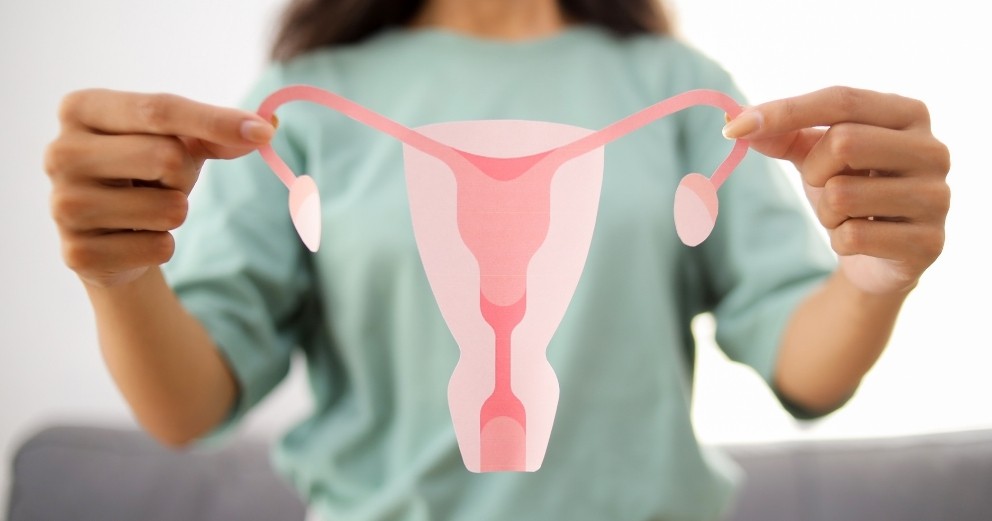
The world class gynecologists at KIMS Cuddles, diagnose and understand your health issues and work towards curing them. Our doctors are dedicated to provide personalized care for w...

Read More...

Family Planning

At our gynecology hospital in Hyderabad, our experts help you manage the spacing between the birth of your child by contraceptive methods. We provide confidential, low-cost, preven...

Read More...

Laparoscopy

Laparoscopy involves making small incisions on the abdomen or the pelvis of a person to diagnose conditions. We have experts in treating gynecologic cancers, hysterectomy, endometr...

Read More...

Health Blogs

image

29 July, 2026

Irregular Periods: When to Investigate

Authored By: Dr. Bhavani K Reddy

Period irregularity is something many women experience at some point, and most learn to live with it, at least for a while. A late period during a stressful month, a lighter cycle after illness, a missed period after a long flight. These variations are common and usually self-correcting. The problem is that irregular periods are also how the body signals conditions that genuinely need attention, and because the irregularity can feel familiar, it is easy to keep waiting for things to normalise when they never will without proper evaluation.Knowing where the line sits between normal variation and something worth investigating is genuinely useful.What counts as irregularA normal menstrual cycle runs anywhere from 24 to 38 days, measured from the first day of one period to the first day of the next. Variation of up to eight days between the shortest and longest cycle is considered normal. Lengths ranging between 8 and 20 days of variation are considered moderately irregular, and variation of 21 days or more is considered very irregular.Changes outside the cycle length are also irregular. Periods that are either much heavier or lighter than normal, periods that are much longer or shorter than normal, periods between periods, and periods that are absent altogether, in a woman not pregnant, breastfeeding, or in menopause, all fall within the category of periods that should be further evaluated.Common causes of irregular periodsStress and lifestyle factorsThe general causes regarding irregular menstruation are lifestyle problems like stress, weight loss or gain and smoking habits. Psychological stress interferes with hormonal signalling of the brain and ovaries via the hypothalamic-pituitary-ovarian axis. Under prolonged high levels of cortisol, the reproductive hormones that govern ovulation are inhibited, and cycles become erratic or cease entirely. This axis is sensitive to significant weight gain or loss, extreme exercise, and very low body fat percentage. These reasons are typical and can be easily reversed when the underlying cause is treated.Polycystic Metabolic Ovarian SyndromePolycystic Metabolic Ovarian Syndrome, or PMOS, is a complex hormonal and metabolic condition that causes menstrual irregularity. Insulin resistance and elevated androgen levels disrupt normal ovulation, producing cycles that are widely spaced, sometimes coming every few months, or irregular in pattern.Other features that accompany PMOS-related irregularity include acne, excess facial or body hair, and difficulty conceiving. Investigation for PMOS is warranted when cycle irregularity is persistent, particularly when these associated features are present.Thyroid dysfunctionBoth an underactive and an overactive thyroid can disturb menstrual regularity. Thyroid hormones regulate the pace of nearly every metabolic process in the body, including the reproductive cycle. Hypothyroidism can cause heavier and more frequent periods, while hyperthyroidism tends to produce lighter and less frequent ones. Since thyroid disease can present subtly in other ways, including fatigue, weight changes, and hair loss, women with unexplained cycle irregularity should have their thyroid function checked as part of the initial evaluation.Premature ovarian insufficiencyPremature ovarian insufficiency, also known as primary ovarian insufficiency, is defined as menopause before the age of 40 and presents as a spectrum of declining ovarian function resulting in reduced fertility due to a decrease in ovarian follicle number. Women with premature ovarian insufficiency experience irregular or absent periods, hot flushes, and other menopausal symptoms at an age when these would not normally be expected. The condition has implications for fertility, bone density, and cardiovascular health that require medical management well before natural menopause occurs.Structural causesFibroids, polyps, and other structural abnormalities within the uterus can all disrupt normal menstrual patterns. These may cause heavier bleeding, bleeding between periods, or significant changes in cycle length.Uterine cell wall overgrowth and cancer are causes of abnormal uterine bleeding that require investigation, particularly in women above 40, where these conditions become more common. Bleeding between periods or after sexual intercourse, in particular, should always prompt gynaecological evaluation to exclude structural or cervical causes.When to see a gynaecologist?So, when to see gynaecologist for periods? The time it takes many women to see a doctor concerning irregular periods is much longer than it should be. Consultation for gynaecology is required when:The cycles are always between 24 and 38 days across multiple monthsThere have been no three consecutive months without an explanationBleeding between periods occurs, particularly if it is recurring or follows intercourseCycle irregularity is also followed by other symptoms such as major acne, excess hair growth or unwanted weight gainA woman has not undergone regular ovulatory cycles and is attempting to conceiveAcute pain, chronic pain, or recurrent pain, which accompany irregularity in menstruation, are symptoms that should be examined immediatelyWhat investigation involvesAn evaluation of irregular periods in gynaecology is usually initiated by a thorough history of menstruation and physical examination. Blood tests measure hormone levels such as FSH, LH, oestrogen, testosterone, prolactin, and thyroid hormone. A pelvic ultrasound examines the position of the ovaries and uterus to determine whether they have structural abnormalities, polycystic ovarian morphology, fibroids, or polyps.Additional tests, such as a hysteroscopy to view directly into the uterus or an endometrial biopsy, could be prescribed depending on the initial examination and especially when abnormal uterine bleeding occurs in women over 40.TakeawaysIrregular periods are not always a sign of something serious, but they are always worth paying attention to. Irregular menstruation causes range from correctable lifestyle factors like stress, weight change, and extreme exercise, to medical conditions including PMOS, thyroid dysfunction, premature ovarian insufficiency, and structural uterine abnormalities. Knowing when to see a gynaecologist for periods, specifically when irregularity persists, is accompanied by other symptoms, or involves bleeding between cycles, avoids the delay that allows underlying conditions to go unmanaged for longer than necessary. A menstrual irregularity investigation is straightforward and provides information that no amount of waiting can.

image

29 July, 2026

Fertility Decline: What Women Should Know

Authored By: Dr. D. Sandhya Rani

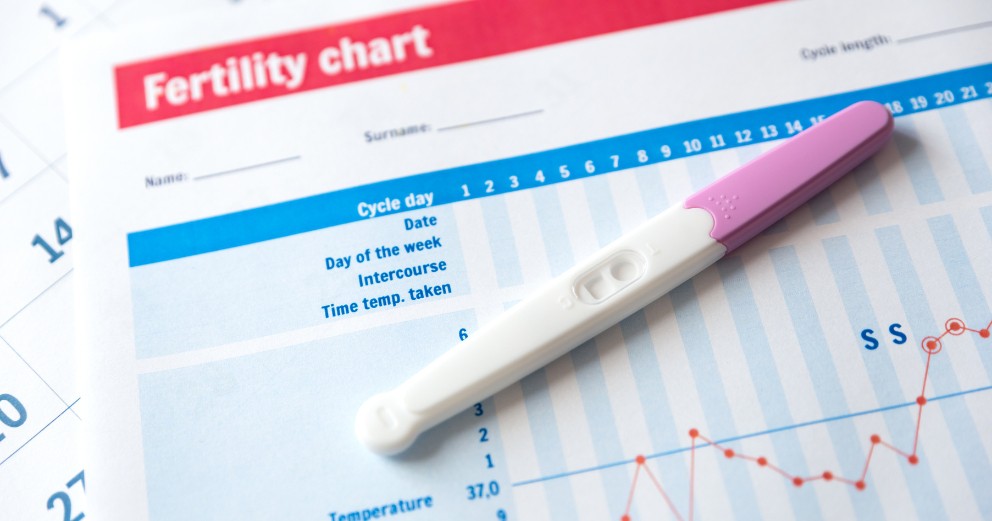
Conversations about fertility tend to happen too late. Women often begin thinking seriously about their reproductive timeline only when they are ready to conceive. At this point, some of the most important biological facts have already been playing out for years without their awareness. The decline in female fertility with age is one of the most consistently misunderstood aspects of reproductive health, and the gap between what women know and what the biology actually shows is significant.This is not about creating anxiety. It is about giving women accurate information early enough to make genuinely informed decisions.The Fundamental BiologyA woman is born with all the eggs she is going to have in her lifetime. Her eggs age with her, decreasing in quality and quantity. Age is the single most important factor affecting a woman's fertility.Females are born with a finite number of oocytes. The number of oocytes peaks in the womb at around 20 weeks of gestation and subsequently declines steadily until approximately age 32, after which the number decreases at a greater rate until age 37, beyond which oocyte numbers drop even more rapidly.This is not something that can be slowed by fitness, diet, or general good health. Even though women today are healthier and taking better care of themselves than ever before, improved health in later life does not offset the natural age-related decline in fertility. A woman in excellent physical health at 38 still has the ovarian reserve of a 38-year-old.When Does Fertility Actually Start DecliningThis is where most women are surprised. The common understanding is that fertility drops sharply at 35. The reality is more gradual and begins earlier than most expect.A woman's fertility begins to drop slightly around the time she reaches 30 and rapidly declines after she is in her mid-30s. Evidence indicates that fertility begins to decline after age 27 and declines substantially after age 35 compared with the 20s.The age of 35 is clinically significant, not because fertility drops off dramatically at that time, but because significant changes in the rate of fertility decline occur at that age, and risks of pregnancy complications, such as chromosomal abnormalities in the developing embryo and miscarriage, become more noticeable. These reduced rates of birth are matched by higher rates of spontaneous abortion and aneuploidy, and older women are at higher risk of having an operative delivery, hypertensive disorders, and gestational diabetes. What Ovarian Reserve Means And Why It MattersOvarian reserve is the number and quality of eggs in the ovary at a particular point. It is the simplest indicator of a woman's fertility and can be measured by either a blood test or an ultrasound. As women age, especially from the mid-30s, the decline in ovarian reserve in terms of both quality and quantity happens very rapidly, and the odds for conception and successful pregnancy become progressively harder.Anti-Mullerian hormone, commonly abbreviated as AMH, is the most widely used blood test for estimating ovarian reserve. It reflects the pool of developing follicles available in the ovaries and gives a reasonable indication of how many eggs remain. An antral follicle count on ultrasound provides complementary information. The tests provide a context for IVF and may help someone understand how likely they are to get pregnant, but they do not guarantee it or when it will occur; they are especially useful for women who are considering delaying childbearing and/or their fertility preservation options. Fertility Preservation: What Are the OptionsEgg freezing, or medically, oocyte cryopreservation, is the most time-tested approach available for fertility preservation. It is used by women who are not ready to become pregnant but want to ensure they have the option of doing so in the future. Eggs are retrieved after a hormone stimulation cycle, then frozen for future use.The earlier the eggs are frozen, the better the results, as their effectiveness decreases with age. Eggs frozen in the late 20s or early 30s have a much greater likelihood of producing a viable pregnancy when compared to eggs frozen in the late 30s. This is because egg quality (not quantity) declines with age, and frozen eggs reflect egg quality at the time of freezing.Before deciding on fertility preservation, women should consult with a reproductive endocrinologist about the process and likely success rates, and the consequences of the procedure. Medical Conditions that Accelerate Fertility DeclineAge is not the only factor that reduces ovarian reserve. Several medical conditions can deplete egg numbers or damage ovarian tissue well ahead of the expected timeline, sometimes significantly so.Endometriosis, particularly when it involves ovarian cysts called endometriomas, is one of the most common culprits. The cysts themselves can destroy functioning ovarian tissue, and the inflammatory environment that endometriosis creates further compromises the follicles surrounding them. Previous ovarian surgery carries a similar risk. Any procedure on the ovary, whether to remove a cyst, address torsion, or treat endometriosis, can inadvertently reduce the ovarian reserve if healthy follicle-containing tissue is removed alongside the targeted area. Premature ovarian insufficiency, where the ovaries stop functioning before the age of 40, can cause a dramatic and early reduction in fertility. It is associated with autoimmune conditions, certain genetic conditions such as Turner syndrome and Fragile X premutation, and in some cases, no identifiable cause at all.Autoimmune conditions more broadly, including lupus, rheumatoid arthritis, and thyroid disorders, can affect ovarian function through immune-mediated damage to ovarian tissue. Cancer treatment, specifically chemotherapy and pelvic radiation, is among the most significant medical causes of accelerated ovarian reserve decline. An often-overlooked factor in reproductive health is daily exposure to chemicals found in cosmetics, skincare, and personal care products. These substances interfere with the body's hormonal signalling in ways that research has linked to reduced ovarian reserve and disrupted menstrual cycles. Choosing fragrance-free, paraben-free, and phthalate-free products where possible is a simple, practical step women can take to reduce cumulative chemical exposure as part of a broader approach to protecting their reproductive health.Women with any of these conditions should have their ovarian reserve assessed earlier than they otherwise might, and discuss the implications for their reproductive plans with a gynaecologist or fertility specialist as soon as the diagnosis is established.TakeawaysFertility decline in women is a natural, gradual process related to the limited and age-related decrease in egg quality and number. Age and female fertility are directly correlated; fertility levels drop significantly after the late 20s and continue to decline after the mid-30s. Using AMH and antral follicle count can give women a great deal of information to help them evaluate their reproductive timeline. Egg freezing is best performed early in the reproductive years before a considerable loss of egg quality has taken place. Women who wish to have children, but are not ready to conceive, or those who have conditions which may help to accelerate the rate of ageing of their ovaries, should consider a reproductive consultation and not wait until it is an emergency.

image

29 July, 2026

PMOS: Causes Beyond Hormones

Authored By: Dr. D. Sandhya Rani

Most patients understand Polycystic Metabolic Ovarian Syndrome, or PMOS, as a hormonal condition. Irregular periods, elevated androgens, and ovarian cysts on an ultrasound. The hormonal picture is real, but it is only part of the story. Decades of research have made it increasingly clear that PMOS is far more complex than a hormonal imbalance in isolation. It involves the metabolic system, the immune system, the gut, and genetics, all interacting in ways that produce a condition that looks different in every woman who has it.Understanding the fuller picture of what causes PMOS matters because it changes how the condition is managed and why lifestyle interventions work as well as they do.What PMOS Actually InvolvesPolycystic Metabolic Ovarian Syndrome is a complex endocrine and metabolic disorder, typically characterised by hirsutism, hyperandrogenism, ovulatory dysfunction, menstrual disorders, and infertility. The name itself reflects what the condition truly is. The metabolic component is not secondary to the ovarian and hormonal picture. It is central to it. Treating the hormonal symptoms without addressing the underlying metabolic drivers is one reason PMOS management often produces only partial results.Insulin Resistance Sits at the CentrePMOS insulin resistance, where cells throughout the body fail to respond normally to insulin, is considered the primary pathological basis for the reproductive dysfunction seen in PMOS. This is not a peripheral detail.When cells resist insulin's signals, the pancreas compensates by producing more. High insulin levels then stimulate the ovaries to produce more androgens, including testosterone. These elevated androgens disrupt the normal development of follicles in the ovaries, interfere with ovulation, and produce the hormonal signs that bring most women to a doctor in the first place.Women with PMOS have an increased chance of primary infertility and miscarriages. The condition is also linked to a high risk of developing type 2 diabetes caused by insulin resistance, cardiovascular disease, endometrial cancer, and mental health conditions including anxiety and depression.Insulin resistance in PMOS is not always linked to body weight. Many women with PMOS and a normal body mass index still have significant insulin resistance, which is why weight alone is a poor indicator of whether this mechanism is at play.Chronic Inflammation as a Driving ForceChronic low-grade inflammation is known as a key factor in the development of PMOS and is closely associated with insulin resistance. This is a bidirectional relationship. Inflammation typically worsens insulin resistance, and insulin resistance promotes further inflammation. Together they create a self-reinforcing cycle that sustains the condition independently of hormonal treatment.Inflammatory markers like C-reactive protein and certain cytokines are consistently elevated in women with PMOS compared to those without it. This chronic inflammatory state has no single obvious trigger. It is driven by metabolic dysfunction, excess adipose tissue particularly around the abdomen, and increasingly, by the gut microbiome.The Gut Microbiome ConnectionThis is one of the most actively researched areas in PMOS science. Women with PMOS show unique gut microbial profiles marked by lower microbial diversity, a decrease in beneficial bacteria, and an increase in pro-inflammatory and endotoxin-producing species. These changes correspond to insulin resistance, obesity, low-grade inflammation and androgen excess, which are characteristics of PMOS.The gut microbiome plays a definite role in the development of PMOS through mechanisms including lipopolysaccharide signalling, short-chain fatty acid production, sex hormone regulation, and brain–gut interactions, leading to insulin resistance, hyperandrogenism, chronic inflammation, and metabolic changes.In practical terms, this means that the community of bacteria in the digestive system regulates hormone levels, immunological activity and metabolic function in ways that can either impair PMOS management or, given the right conditions, assist it. A diet that sustains beneficial gut bacteria is not just general health advice for someone with PMOS. It is directly relevant to the mechanisms driving the condition.Genetics and Family PatternsPMOS runs in families. A woman whose mother or sister has the condition carries a significantly higher risk of developing it herself. The genetic component of PMOS is real but actually complex, involving multiple genes rather than a single identifiable mutation. Genes related to insulin signalling, androgen production, and inflammation regulation all appear to contribute, which explains why the condition presents so differently between individuals, even within the same family.Genetics sets the terrain, but does not determine the outcome alone. Lifestyle, diet, body composition, and gut health all influence how strongly the genetic predisposition is expressed. This is why two women with identical genetic risk factors can have vastly different symptom profiles.What This Means for ManagementUnderstanding that PMOS causes extend beyond hormonal imbalance changes what effective management looks like. Addressing PMOS insulin resistance through dietary change and regular physical activity has measurable effects on androgen levels, cycle regularity, and fertility, without directly targeting hormones. A diet which is lower in refined carbohydrates and higher in fibre, protein, and healthy fats reduces the insulin spikes that drive androgen overproduction. Regular physical activity improves insulin sensitivity independently of weight loss, which is why the benefit is seen even in women whose weight does not change significantly.Managing chronic PMOS inflammation through an anti-inflammatory dietary pattern and supporting gut microbiome diversity through fibre-rich foods and fermented foods are increasingly recognised as meaningful parts of a comprehensive approach to the condition.TakeawaysHormonal imbalance is not the only cause of PMOS. In PMOS, insulin resistance is a core condition that initiates a cascade of metabolic failure resulting in androgen excess and reproductive dysfunction independent of the ovaries. This is further worsened by PMOS inflammation, maintained by the interplay of metabolic imbalance, adipose tissue and gut microbiota dysbiosis. Looking beneath the hormonal surface of PMOS means treating it as the complex metabolic and inflammatory disorder that it is, with lifestyle change as a central strategy, not an afterthought.

image

29 July, 2026

Menopause Symptoms and Management: A Complete Guide for Women

Authored By: Dr. Angel Lucy James

A woman plays a pivotal role in the family today. In the era of science and technology, we see that women’s life expectancy has increased. This means that a woman passes more than one-third of her life in the menopausal age group.  Menopause is not a disease. It is a natural biological transition, the point at which a woman's menstrual cycles end permanently following the decline of ovarian function. But natural does not mean painless or uncomplicated, and for many women, the years surrounding this transition bring changes that affect sleep, mood, cognition, relationships, and physical health in ways that deserve proper attention. According to the Indian menopause society, the average age of menopause for Indian women is  46.2 years, which is 5 yrs earlier than the global average of 51 years. What does menopause actually involve?Medical professionals define menopause as having occurred when a woman has not had any menstrual bleeding for one year. The transition leading up to this point is called perimenopause, and it can begin anywhere from two to ten years before the final period. Perimenopause is when most of the symptoms that women associate with menopause actually occur, driven by the fluctuating and declining levels of oestrogen and progesterone as the ovaries wind down their function.The symptoms women actually experienceMenopause symptoms vary considerably between individuals.Symptoms include hot flushes and night sweats, mood changes, pain in the joints andvaginal dryness.Increased central bellyA hot flush is a sudden wave of heat, usually beginning in the chest and spreading to the neck and face, often accompanied by flushing and sweating.Other menopause symptoms include sleep disturbances, decreased sexual desire, painful intercourse due to vaginal dryness and thinning.Cognitive symptoms include brain fogging, not being able to focus on work and impaired memoryMenopause and bone healthThis is one of the most clinically significant long-term consequences of menopause that receives insufficient attention. Oestrogen plays a critical role in maintaining bone density. When oestrogen levels fall after menopause, bone resorption accelerates, and the skeleton loses density faster than it is replenished. The result, over the years, can be osteoporosis, a condition that significantly increases the risk of fractures from minor falls or even everyday activities. Menopause and bone health management start with adequate calcium and vitamin D intake, by diet or supplementation, and weight-bearing physical exercise, which is the most effective lifestyle approach for maintaining bone density. Women with significant risk factors for osteoporosis should discuss bone density scanning with their gynaecologist to establish a baseline and monitor for progressive loss.Managing menopause symptomsMenopause management depends on which symptoms are most troublesome, their severity, and the individual woman's medical history and preferences. For hot flushes and night sweats, practical lifestyle adjustments help reduce frequency and severity. Avoiding known triggers, including caffeine, alcohol, spicy food, and hot environments, dressing in layers, keeping the bedroom cool, and managing stress all make a measurable difference for many.Hormone therapy, which replaces the oestrogen and, where needed, progesterone that the body is no longer producing in adequate amounts, is the most effective treatment available for menopause symptoms. It reduces hot flushes, improves sleep, addresses vaginal symptoms and safeguards bone density.The decision on whether hormone therapy is suitable for an individual woman entails a detailed conversation with a gynaecologist or menopause specialist about her symptoms, medical history, cardiovascular risk and personal preferences. It is not suitable for everyone, but for many women, the benefits significantly outweigh the risks.Health management and Lifestyle recommendations Increasing intake of phytoestrogens, found in Soy, chickpea, Bengal gram and sesame seeds, reduces the severity of hot flushes. Processed carbohydrates and sugars intensify psychological symptoms and sleep disorders. Whole grains and complex carbohydrates help maintain stable energy levels and reduce the severity of hot flushes. Excessive intake of saturated fat leads to increased vasomotor symptoms and cardiovascular risk.  Fish rich in Omega-3 fatty acids reduce hot flush severity. Low protein exacerbates menopausal bone and muscle symptoms. Adequate protein intake counteracts age-related muscle loss.  Routine health check-up, including bone density evaluations and cardiovascular screening, is a must. Fit at 40, Strong at 60, Independent at 80 The 40s are often a period of significant hormonal changes. Many women begin to notice the early signs of perimenopause, including changes in metabolism, sleep patterns, and energy levels. This is the ideal time to prioritise regular exercise, a balanced diet, weight management,  and preventive health. By the age of 60, maintaining strength becomes just as important as maintaining fitness.  Menopause-related hormonal changes can lead to loss of bone density and muscle mass,  increasing the risk of osteoporosis and falls Independence at 80 is not achieved overnight; it is built through decades of healthy choices.  Women who remain physically active, mentally engaged, socially connected, and medically proactive are more likely to maintain their lives.

image

27 June, 2026

High-risk pregnancy: key precautions

Authored By: Dr. Lavanya Kiran

Pregnancy is not always a smooth sail, but in the case of certain women, the stakes are even higher. A high-risk pregnancy is not an indication that something will happen. It implies that some factors, such as pre-existing conditions, age, multiple gestations, and complications occurring during pregnancy, will need to be monitored more carefully, assessed more often, and require a more prepared care team that can handle a wider variety of outcomes.Knowledge of what constitutes a high risk pregnancy and the measures that can be taken to ensure a better outcome than a typical pregnancy would allow women and their families to enter the process with a better grasp of it and less fear.What makes a pregnancy high-risk?High-risk pregnancy conditions are divided into three broad categories: health problems in the mother that are experienced prior to pregnancy, health problems that arise during pregnancy and health problems that affect the fetus.Preexisting conditions that put a pregnancy in the high-risk category are diabetes, high blood pressure, heart disease, kidney disease, autoimmune diseases such as lupus, thyroid diseases, and a history of previous pregnancy complications such as preterm birth, frequent miscarriage, or previous caesarean delivery. Significantly underweight or overweight women before conception have high risks, as well as those who conceive after 35 years of age or before 17 years of age.Pregnancy-related conditions that increase risk include gestational diabetes, gestational hypertension and preeclampsia, fetal growth restriction, and placenta-related conditions, including placenta previa and placental abruption. Multiple pregnancies (twins, triplets, etc.) are nearly always considered high-risk due to the considerably high preterm birth rates, low birth weight, and other complications of having more than one baby in the womb.Preeclampsia and blood pressureHypertension in pregnancy, such as gestational hypertension, preeclampsia, and eclampsia, is a significant cause of maternal and fetal morbidity and mortality. These conditions have a prevalence of between 5 and 10 per cent in pregnancies, and preeclampsia can cause up to 14 per cent of maternal deaths worldwide.Preeclampsia occurs after 20 weeks of pregnancy and is characterised by high blood pressure and protein in the urine, and may involve the liver, kidney and brain. It can develop rapidly, so there is no compromise in blood pressure assessment at each antenatal visit in high-risk pregnancies. Pregnant women with chronic hypertension need to be closely monitored and blood pressure controlled during pregnancy because uncontrolled high blood pressure can lead to placental abruption, preterm birth, and fetal undergrowth.Gestational diabetesGestational diabetes increases the risk for further maternal and fetal complications, including preeclampsia, the need for caesarean delivery, preterm delivery, and macrosomia, where the baby grows significantly larger than average. The increased risk is correlated directly with how well blood glucose is controlled during pregnancy.Women with gestational diabetes require regular blood glucose monitoring, dietary modification supervised by a dietitian, and in some cases, insulin therapy to keep levels within a safe range. Poorly controlled gestational diabetes carries risks for the baby, including low blood sugar at birth, jaundice, and, in some cases, stillbirth when management has been inadequate.Key high-risk pregnancy precautionsThe difference between a well-managed high-risk pregnancy and one with poor outcomes often comes down to how consistently precautions are followed and how early problems are identified.More frequent antenatal visits are the cornerstone of high-risk pregnancy management. Where a low-risk pregnancy may involve monthly appointments in the first two trimesters, a high-risk pregnancy often requires fortnightly or even weekly monitoring depending on the specific risk factors involved. With each visit, it is possible to intervene before increasing blood pressure, abnormal glucose levels, or fetal growth restriction.Monitoring the fetus with routine ultrasounds assesses fetal development, amniotic fluid volume, and blood circulation via the umbilical cord. A baby that is not growing as expected, or where blood flow measurements suggest placental insufficiency, may need to be delivered earlier than planned. Identifying this through monitoring allows delivery to be planned in a controlled setting rather than as an emergency.Women with pre-existing disease in pregnancy who wish to continue with the pregnancy require extra medical care, often from an interdisciplinary team that may include an obstetrician, a specialist in the underlying disorder, maternal-fetal medicine specialists, and dieticians.For women with heart disease, kidney disease, or autoimmune conditions, the management of the underlying condition needs to be optimised before conception if possible, and maintained throughout pregnancy in close collaboration between the obstetrician and the relevant specialist.Lifestyle precautions that matterBeyond medical monitoring, certain lifestyle factors significantly affect pregnancy outcomes in high-risk pregnancies. Maintaining weight gain within the range recommended by the obstetric team helps avoid compounding existing metabolic risks. A diet designed to manage blood sugar, blood pressure, and nutritional adequacy matters more in a high-risk pregnancy than in one without complicating factors.Rest is important, but needs to be balanced appropriately. Complete bed rest is rarely recommended as a blanket measure and can increase the risk of blood clots. The specific activity level that is safe depends on the nature of the risk and should be discussed directly with the obstetric team.Attending every scheduled appointment, reporting new or worsening symptoms promptly, and having a clear plan for when and where to present in an emergency are all practical pregnancy complications precautions that the antenatal team should discuss explicitly with every high-risk patient.TakeawaysHigh-risk pregnancy requires a higher level of monitoring, a more structured care team, and a greater degree of personal vigilance from the mother than a low-risk pregnancy. The most common high-risk conditions include pre-existing diabetes, hypertension, autoimmune disease, obesity, advanced maternal age, and complications that develop during pregnancy, such as preeclampsia and gestational diabetes.High risk pregnancy precautions centre on frequent antenatal monitoring, specialist input from maternal fetal medicine where needed, careful management of underlying conditions, and prompt reporting of any new symptoms. With the right care in place, the majority of women with high-risk pregnancies deliver healthy babies.

image

28 August, 2024

Preparing for Pregnancy

Authored By:

A Guide for Expectant MothersPreconception Checkups: The First StepBefore you embark on the journey of pregnancy, it's crucial to ensure your body is ready. Scheduling a preconception checkup with your healthcare provider is the first step. During this session, your doctor will go over your medical history, current health status and any medications you may be taking. This checkup is an opportunity to identify and manage any health issues that could affect your pregnancy.Key Tests and ScreeningsYour preconception checkup may include:Blood tests can determine anemia, blood type, and immunity to infections such as rubella and chickenpox.Screening for sexually transmitted infections (STIs).Assessing your vaccination status and updating any necessary vaccines.A discussion on managing chronic conditions such as diabetes or hypertension.Nutrition Tips for Expectant MothersNutrition is extremely important in preparing your body for pregnancy. A well balanced diet contains critical nutrients that promote fetal and mother health.Key NutrientsFolic Acid: Critical for preventing neural tube abnormalities. Aim for at least 400 micrograms per day from fortified meals or supplements.Iron: Promotes increased blood volume and avoids anemia. Include iron-rich foods like lean meats, spinach and legumes.Calcium: Essential for fetal bone development. Consume dairy products, leafy greens and fortified plant based milks.Omega-3 Fatty Acids: Is essential for brain and eye development. Include fatty fish, such as salmon, walnuts and flaxseeds.HydrationMaintain hydration by drinking lots of water throughout the day. Proper hydration improves overall health and helps alleviate typical pregnancy symptoms such as constipation and exhaustion.Exercise Recommendations for Expectant MothersRegular exercise activity can help boost your overall health, lift your spirits, and prepare your body for the demands of pregnancy and labor. Exercise can also lower the risk of gestational diabetes, preeclampsia and excess weight gain.Safe ExercisesWalking: A easy and effective technique to stay active without overworking your body.Swimming: Provides a full body workout while being gentle on the joints.Prenatal Yoga: Enhances flexibility, reduces stress and promotes relaxation.Strength Training: Helps build muscle endurance. Use light weights and avoid heavy lifting.Exercise TipsConsult Your Doctor: Before beginning any fitness plan, speak with your doctor, especially if you have any pre-existing health concerns. Listen to Your Body: Avoid high-impact or contact sports. Stop exercising if you have any pain, dizziness or shortness of breath.Stay Hydrated: Drink water before, during and after exercise to stay hydrated.Final ThoughtsPreparing for pregnancy involves a holistic approach that includes medical checkups, proper nutrition and regular exercise. By following these steps, you can increase your chances of having a healthy pregnancy and an easy transition into parenthood. Remember that every woman's body is unique, so speak with healthcare professionals to create a strategy that meets your specific needs.Begin this lovely journey with confidence and care, knowing that you're doing everything you can to give your future kid the greatest possible start.

image

28 August, 2024

Trimester Talk - Stages of Pregnancy

Authored By:

What to Expect in Each Stage of PregnancyPregnancy is a transforming experience that involves both physical and emotional changes. Understanding what to expect in each trimester can help you navigate this exciting time with confidence. This guide breaks down the key changes you may experience during each stage of pregnancy.First Trimester: Weeks 1-12Physical ChangesDuring the first trimester, your body undergoes rapid changes as it begins to support the growing fetus. Common physical symptoms include:Nausea and Vomiting: This is commonly known as morning sickness and it can occur at any time of day.Fatigue: Hormonal changes can leave you feeling unusually tired.Breast Tenderness: Hormones may cause your breasts to become sore and swollen.Frequent Urination: Increased blood flow to the kidneys can result in more frequent trips to the restroom.Emotional ChangesThe first trimester can be an emotional rollercoaster due to fluctuating hormone levels and the excitement or anxiety of impending motherhood. It's normal to feel a mix of joy, worry and mood swings during this time.Second Trimester: Weeks 13-26Physical ChangesThe second trimester is often referred to as the "golden period" because many women experience relief from early pregnancy symptoms. However, new physical changes may occur, including:Visible Baby Bump: Your abdomen will begin to expand as the baby grows.Increased Appetite: With nausea subsiding, you may feel hungrier than before.Movement: By around 18-20 weeks, you may start feeling the baby's movements, known as quickening.Skin Changes: Hormones can cause skin pigmentation changes, such as the darkening of the areolas and the appearance of a linea nigra (a dark line running down the abdomen).Emotional ChangesAs your pregnancy progresses, you may feel more connected to your baby and experience a surge of positive emotions. However, it's also common to feel stressed or anxious about the future and impending responsibilities.Third Trimester: Weeks 27-40Physical ChangesThe third trimester can be physically demanding as your body prepares for childbirth. Common symptoms include:Braxton Hicks Contractions: These "practice" contractions help your body prepare for labor but are usually irregular and less intense than true labor contractions.Swelling: Increased blood volume and pressure on veins can lead to edema in the feet, ankles and hands.Back Pain: Extra weight and changes in posture can cause backaches.Difficulty Sleeping: Physical discomfort and frequent urination can make sleep challenging.Emotional ChangesThe anticipation of childbirth can bring a mix of excitement and anxiety. It's natural to feel a range of emotions as you prepare for labor and the arrival of your baby. Many women also experience nesting instincts, feeling a strong urge to prepare their home for the new arrival.Final ThoughtsEach trimester of pregnancy brings unique physical and emotional changes. Understanding what to expect might help you deal with these changes and make the most of this unique time. Remember that each pregnancy is unique, so consult your doctors for tailored guidance and support.Embrace this journey with an open heart and mind, knowing that these changes are all part of the incredible process of bringing new life into the world.

image

28 August, 2024

Prenatal and Postnatal Vitamins

Authored By:

The Importance of Prenatal and Postnatal Vitamins for Mothers and BabiesPregnancy and the postpartum period are critical times for both mother and baby, requiring extra nutritional support to ensure healthy development and recovery. Prenatal and postnatal vitamins play a vital role in meeting these nutritional needs, supporting both the mother’s wellbeing and the baby’s growth. This blog explores the importance of these vitamins, what they contain and how they benefit mothers and babies.Prenatal Vitamins: Supporting a Healthy PregnancyWhy Prenatal Vitamins are Essential?Prenatal vitamins are specially formulated supplements designed to provide the extra nutrients needed during pregnancy. They help bridge nutritional gaps in a mother's diet, ensuring both her health and the healthy development of the baby.Key Nutrients in Prenatal VitaminsFolic Acid: Crucial for preventing neural tube defects in the developing fetus. It's recommended that women start taking folic acid before conception and continue through pregnancy.Iron: Supports the increased blood volume in the mother and helps deliver oxygen to the baby. It also prevents anemia, which can cause fatigue and other complications.Calcium and Vitamin D: Essential for the development of the baby's bones and teeth. They also support the mother's bone health.DHA (Docosahexaenoic Acid): An omega-3 fatty acid important for the development of the baby's brain and eyes.Iodine: Vital for thyroid function, which regulates metabolism and supports fetal brain development.Benefits for the MotherPrenatal vitamins not only support the baby's growth but also help the mother maintain her health. They can reduce the risk of pregnancy complications like preeclampsia, support immune function and help manage pregnancy related fatigue and nausea.Postnatal Vitamins: Nourishing Recovery and LactationThe Role of Postnatal VitaminsAfter childbirth, a mother's nutritional needs continue to be elevated, especially if she is breastfeeding. Postnatal vitamins help replenish nutrients lost during pregnancy and delivery and support lactation.Essential Nutrients in Postnatal VitaminsCalcium: Critical for bone health, especially if breastfeeding, as calcium can be depleted from the mother's body to provide for the baby.Vitamin D: Supports the immune system and bone health for both mother and baby. Breastfed babies rely on their mother's vitamin D stores.Iron: Helps replenish iron stores that may have been depleted during childbirth and supports energy levels.B Vitamins: Including B6 and B12, these support energy production and can help combat postpartum depression and fatigue.Omega-3 Fatty Acids: Important for the development of the baby's brain and eyes and they can support the mother's mental health.Benefits for the BabyPostnatal vitamins are especially important for breastfeeding moms since they have a direct impact on the quality of breast milk. Adequate nutritional intake ensures that the infant gets enough vitamins and minerals to grow and thrive.Choosing the Right VitaminsWhen choosing prenatal and postnatal vitamins, it is important to consult with a healthcare provider. They can recommend a supplement that meets your specific needs based on your diet, health status and any existing medical conditions.ConclusionPrenatal and postnatal vitamins are critical for the health of both mother and baby, since they provide important nutrients for growth, development and recuperation. Understanding the importance of these vitamins and adding them into your healthcare regimen will help you have a healthy pregnancy and postpartum time. Remember that, while vitamins are vital, they should be combined with a well balanced diet rich in whole foods to provide a comprehensive approach to mother and newborn health.

image

28 August, 2024

Postpartum Depression and Anxiety

Authored By:

Signs, Symptoms and How to Get HelpBringing a new baby into the world is often portrayed as a joyous time, but for many new mothers, it can also bring unexpected emotional challenges. Postpartum depression and anxiety are common but serious conditions that can affect a mother's mental health. Understanding the signs, symptoms and available help is crucial for new mothers and their families.Understanding Postpartum DepressionWhat is Postpartum Depression?Postpartum depression (PPD) is a severe type of depression that develops following childbirth. Unlike the "baby blues," which are fleeting sensations of melancholy and exhaustion, PPD is more powerful and persistent. It can limit a mother's capacity to care for herself and her child.Signs and SymptomsSymptoms of Postpartum DepressionPersistent Sadness: Feeling hopeless, sad or empty for most of the day.Loss of Interest: Lack of interest in activities you once enjoyed, including spending time with your baby.Fatigue: Extreme tiredness that doesn’t improve with rest.Sleep Issues: Difficulty sleeping, even when the baby is asleep or sleeping too much.Appetite Changes: Appetite fluctuations might result in significant weight loss or increase.Difficulty Bonding: Struggling to connect with your baby.Feelings of Worthlessness: Intense feelings of guilt, shame or inadequacy.Thoughts of Harm: Intrusive thoughts about harming yourself or your baby.Understanding Postpartum AnxietyWhat is Postpartum Anxiety?Postpartum anxiety (PPA) involves excessive worrying, fear and anxiety after childbirth. It can manifest as constant worry about the baby's health, overwhelming feelings of dread and an inability to relax.Symptoms of Postpartum AnxietyExcessive Worry: Constant worry that something bad will happen to the baby.Restlessness: Inability to sit still or relax.Physical Symptoms: Experiencing panic attacks, nausea or heart palpitations.Irritability: Becoming easily frustrated or angry.Hypervigilance: Being overly alert and unable to switch off.Risk FactorsSeveral factors can increase the risk of developing postpartum depression and anxiety:History of Mental Health Issues: Previous depression or anxiety.Lack of Support: Limited emotional or practical support from family and friends.Stressful Life Events: Significant life changes, such as relocation or financial issues.Complications in Birth: Difficult pregnancy or childbirth experience.Hormonal Changes: Drastic changes in hormone levels after birth.How to Get HelpSeek Professional HelpIf you suspect you have postpartum depression or anxiety, it's essential to seek professional help. Contact your healthcare provider, who can conduct a thorough assessment and recommend treatment options. These may include:Therapy: Cognitive behavioral therapy (CBT) and other forms of counseling can help manage symptoms.Medication: Antidepressants and anxiety medicines may be administered.Support Groups: Joining a group for new mothers experiencing similar challenges can provide emotional support.Selfcare StrategiesIn addition to professional help, selfcare strategies can also aid in recovery:Rest and Sleep: Prioritize sleep and rest whenever possible.Healthy Diet: Maintain a balanced diet to promote general health.Exercise: Gentle exercise, such as walking, can boost mood and energy levels.Connect with Others: Contact friends, relatives or support groups for emotional assistance.Final ThoughtsPostpartum depression and anxiety are serious conditions that require attention and care. Recognizing the symptoms and seeking assistance is the first step toward recovery. Remember, you are not alone and help is available. With the right support and treatment, it is possible to overcome these challenges and enjoy your time with your new baby. If you or someone you know is struggling, reach out to a healthcare provider today.

image

27 August, 2024

Breastfeeding Essentials

Authored By:

Breastfeeding Essentials: Latching Techniques, Common Challenges and BenefitsBreastfeeding is a natural and beneficial way to nourish your baby, providing essential nutrients and fostering a unique bond between mother and child. While it can be a rewarding experience, many new mothers encounter challenges along the way. Understanding the essentials of breastfeeding, including latching techniques, common challenges and the myriad benefits, can help make this journey smoother and more fulfilling.Latching TechniquesA proper latch is crucial for effective breastfeeding and preventing discomfort or injury to the mother’s nipples. Here are some key points for achieving a good latch:Positioning: Position yourself and your baby comfortably. The cradle hold, cross-cradle hold and football hold are popular positions. Ensure that the baby’s body is aligned head, shoulders, and hips in a straight line facing your breast.Cues and Readiness: Look for hints that your baby is ready to feed, such as rooting (turning their head towards your breast), sucking motions, or putting their hands in their mouth. Mouth Placement: Gently touch your baby's lips with your nipple to get them to expand their mouth wide. Aim for a deep latch where your baby takes in not just the nipple but a good portion of the areola as well. The baby’s lips should be flanged out and their chin should touch your breast.Signs of a Good Latch: A good latch is usually pain free and feels like a gentle tug rather than sharp pain. You should see rhythmic sucking and hear swallowing sounds. If you notice any discomfort, gently relieve the suction by placing your finger into the corner of your baby's mouth and repositioning.Common ChallengesDespite the best preparations, many mothers encounter challenges in breastfeeding:Nipple Pain and Damage: This is often due to improper latching. Adjusting the latch or trying different breastfeeding positions can alleviate discomfort. Sometimes, nipple shields can help protect sore nipples.Engorgement: This occurs when breasts are overly full, leading to swelling and discomfort. Regular feeding, expressing milk or using cold compresses can relieve engorgement.Low Milk Supply: Concerns about insufficient milk are common. Ensuring frequent feeding and consulting with a lactation expert can help boost milk production.Mastitis: This breast infection causes pain, redness and fever. It’s crucial to continue breastfeeding or pumping and seek medical advice for appropriate treatment.Benefits of BreastfeedingBreastfeeding provides several benefits to both the mother and the baby:Nutritional Excellence: Breast milk provides the perfect balance of nutrients essential for your baby’s development. It contains antibodies that help strengthen the baby’s immune system, protecting against infections and diseases.Bonding and Emotional Benefits: Touch during nursing builds a strong emotional relationship between mother and child, giving the newborn a sense of security and comfort.Health Benefits for Mothers: Breastfeeding can help mothers recover post delivery by promoting uterine contractions that reduce bleeding. It also reduces the risk of breast and ovarian cancer, type 2 diabetes and postpartum depression.Economic and Environmental Benefits: Breastfeeding is cost effective, reducing the need for formula and associated feeding supplies. It also has a lower environmental impact than formula production and packing.ConclusionBreastfeeding is a journey that comes with its unique set of challenges and rewards. By understanding proper latching techniques, being prepared to address common issues and appreciating the numerous benefits, mothers can navigate this important phase with confidence and support. If you face difficulties, don’t hesitate to seek help from lactation consultants or healthcare providers, ensuring both you and your baby thrive during this special time.

Loading booking..